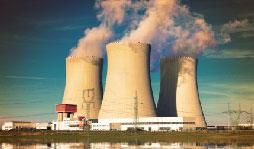
Fujushima was a US design. And, since nukes require a large amount of water for cooling, they are located near water sources, like rivers. Rivers are prone to flooding, more so as the extreme weather events increase. Then there is the danger of dam failure.
"Floods from such natural weather events have caused problems at several U.S. nuclear power plants in recent years. In June 2011, unusually high water on the Missouri River, caused by a combination of heavy spring rains and Rocky Mountain snowmelt, inundated the Fort Calhoun plant in Nebraska. And in October 2012, flooding from Hurricane Sandy caused two New Jersey nuclear plants, Salem and Oyster Creek, to shut down when high water levels threatened their water intake and circulation systems.
Floods caused by dam failures
Not all floods that threaten nuclear reactors have natural causes, however. Many nuclear plants are situated near rivers, and some of them are downstream from a dam. When the dam fails, the resulting flood is sudden and can be catastrophic. Unlike river overflows or hurricanes, dam failures are likely to occur with little or no advance warning, leaving plant operators scrambling to protect their facilities before the floodwaters arrive, typically within hours."
Nuclear power plants need a plentiful source of water nearby for cooling. But this proximity to rivers, lakes and oceans creates serious flooding risks that the NRC has been too slow to address.

www.ucs.org