1968? Have you forgotten your temper tantrums from 2020?
You can't forget what did not happen.
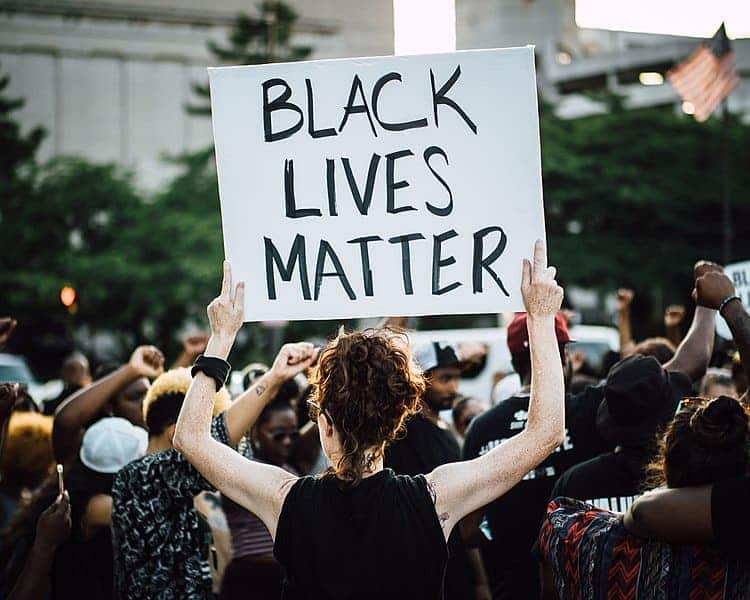
Black Lives Matter protests were overwhelmingly peaceful, large-scale analysis shows
If anything, more violence was directed against the protesters.
An analysis found that just 3.7% of the protests involved property damage or vandalism — and some of the violent episodes didn’t even involve protesters.
Rivers of ink have been spilled over the BLM protests, and it’s not hard to understand why — you could hardly imagine a more polarizing event in the US social context. Follow the BLM coverage on CNN and then tune in to Fox News and you’d feel like they were talking about different events.
The study was led by Erica Chenoweth, a professor at the Harvard Kennedy School, and Jeremy Pressman, an associate professor of political science at the University of Connecticut. Since 2017, the two have been collecting data on political crowds in the United States, including the protests that surged during the summer. They’ve almost finished collecting all the data, and have already documented 7,305 events in thousands of towns and cities, involving millions of attendees. The only remaining figures that are left are from small towns, which the two say are unlikely to change the overall picture. With this gathered data, they were able to see the big picture on how the protests generally unfolded.
They found that just 3.7% of protests involved property damage or vandalism — and some of this 3.7% involved neither police nor protesters, but rather people piggybacking on the protests and engaging in vandalism. For instance, an officer killed in California is believed to have been shot by supporters of the far-right “boogaloo” movement, not anti-racism protesters. Furthermore, an anti-fascist protester was killed by a far-right group member during a confrontation in Portland.
Overall, the researchers say, violence during these protests was rare, and attempts to portray these protests as overly violent are not backed by actual data. Destruction and violence did happen at some protests, but this was the exception rather than the norm.
“In short, our data suggest that 96.3% of events involved no property damage or police injuries, and in 97.7% of events, no injuries were reported among participants, bystanders or police,” Chenoweth and Pressman write.
These figures should correct the narrative that the protests were overtaken by rioting and vandalism or violence.”
If anything, more violence was directed against the protesters.

www.zmescience.com