The Program seems to be in trouble regardless. Its effectiveness is being questioned.
By whom? I don't think so.
A new national study commissioned by Meals on Wheels America in conjunction with the AARP Foundation and conducted by researchers at Brown University Center for Gerontology and Healthcare Research validates what we have known all along.
This March, 2015 study, conducted in winter of 2013 and spring of 2014, set out to demonstrate the effectiveness of home-delivered meals from the standpoint of traditional daily-delivered meals versus frozen weekly delivered meals. The findings overwhelmingly support the value of daily home-delivered meals as the most beneficial and successful model of meal delivery for homebound older adults. The results of the study were derived from responses to an extensive questionnaire conducted with 626 individuals receiving services from Meals on Wheels organizations in eight states across the country.
The most significant finding was that that those who received daily-delivered meals experienced the greatest improvements in health and quality of life. Respondents receiving daily-delivered meals were more likely to exhibit: improvements in mental health (i.e., anxiety); improvements in self-rated health; reductions in the rate of falls; improvements in feelings of isolation and loneliness; and decreases in worry about being able to remain in home. They also were more likely to attribute their meals to making them feel safer and report that their meals helped them to eat healthier foods than the group receiving frozen meals.
As we continue to look for the most cost-effective way to deliver services to our rapidly aging population, we must keep in mind that we need to invest both private and public dollars in programs that bring the most value per dollar. Daily, home-delivered meals provide an array of benefits that result in cost savings in the long-run because they help keep people safe, healthy and happy in their own homes instead of expensive institutional or health care settings.
Effectiveness of Meals on Wheels Programs Confirmed by National Study - The Valley Ledger | It's All About The Lehigh Valley
I'm ok with it. But all Taxpayer-funded programs should be heavily scrutinized. Our Government owes its Citizens that much.
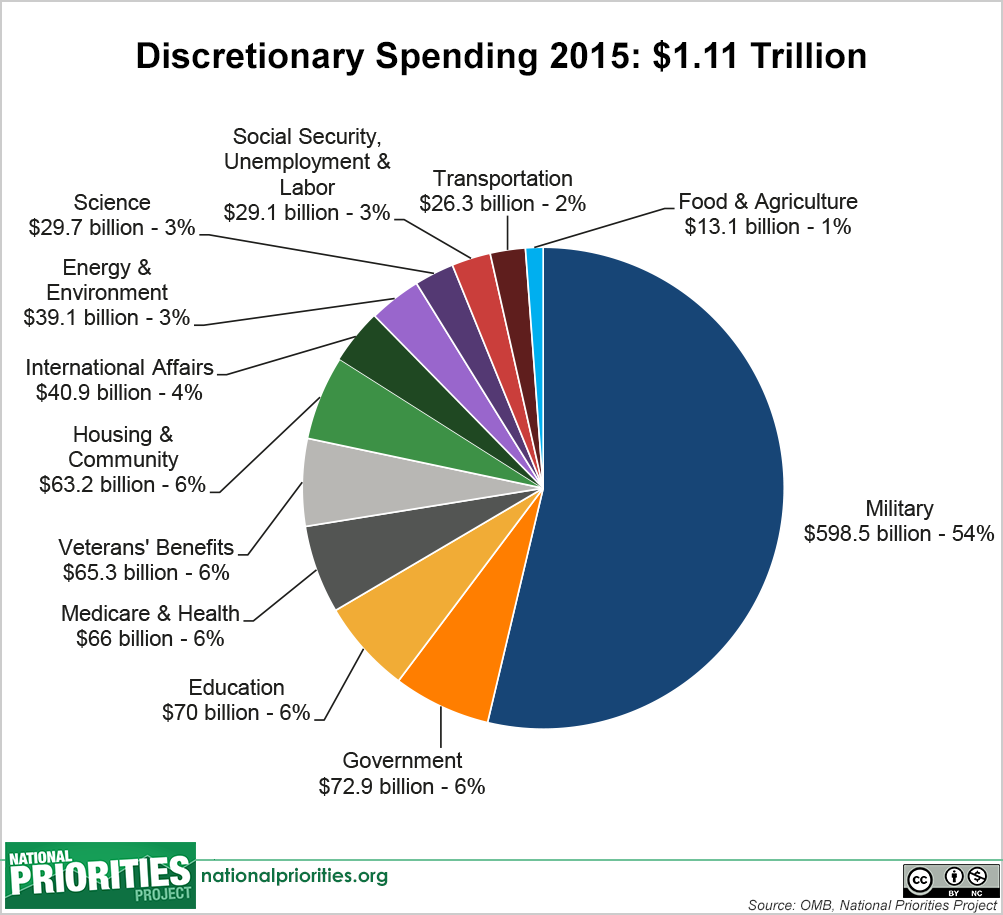
I agree that we need to scrutinize how our tax money is spent but I think tax funded orgs are less important than departments, agencies and the larger programs. The orgs that get grants and federal funding spend much of their time trying to raise funds to stay afloat when their time would be better spent working towards their cause. Especially orgs like meals on wheels and after school programs for kids. There is much more waste going on in the government agencies, especially the military, when it comes to discretionary spending, everything else is a drop in the bucket compared to what we spend on defense.
But also our discretionary spending budget is only a fraction of the total budget that adds to our debt. Social Security and Medicare are the biggest factors to our debt that anything else, by far.
Here is a good link to some simple charts that show the breakdown. It gives perspective of where we should focus our energy:
Federal Spending: Where Does the Money Go