Because coal, whatever you do, must produce the by products it does and those are harmful in one way or another.
Renewable energy is still quite new so we can't dismiss it as useless just yet.
Very little works perfectly first time around so, unless you want to scrap all technology as useless, give it a chance.
If do would like to scrap new technology; the same logic would scrap all previous advances so coal wouldn't be required in quantity and the problem would be solved.
Of course, you'd still be on horseback.
Oh do shut UP.

Yes, clean coal tech is on the way but it's unclear how much this will increase the cost of burning coal.
However:
I wonder how many of the 24,000 people a year die prematurely because of pollution from coal-fired power plants. And every year 38,000 heart attacks, 12,000 hospital admissions and an additional 550,000 asthma attacks result from power plant pollution.
Coal-fired power plants are the largest source of human-generated mercury pollution in the U.S. Mercury emissions from electrical generation continues to rise.
Mercury in mothers' blood and breast milk can interfere with the development of babies' brains and neurological systems and can lead to learning disabilities, attention deficit disorder, problems with coordination, lowered IQ and even mental retardation.
The U.S. produces about 25 percent of global carbon dioxide emissions from burning fossil fuels.
Burning coal contributes 40 percent of U.S. CO2 emissions. Coal is the most carbon intensive fossil fuel. According to the United Nations Environment Program, coal emits around 1.7 times as much carbon per unit of energy when burned as does natural gas and 1.25 times as much as oil.
The Center for Disease Control (CDC) estimates that 12,000 coal miners died from black lung disease between 1992 and 2002.
49 U.S. states have issued fish consumption advisories due to high mercury concentrations in freshwater bodies throughout the country.
Coal-fired power plants are the largest source of human-generated mercury pollution in the U.S.
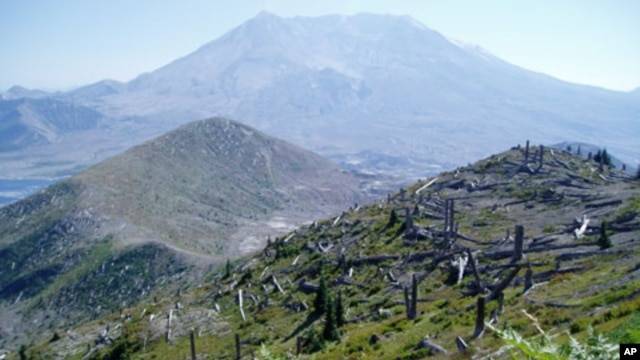
Instead of traditional mining, many coal companies now use mountaintop removal to extract coal.
Coal companies are increasingly using this method because it allows for almost complete recovery of coal seams while reducing the number of workers required to a fraction of what conventional methods require.
Mountaintop removal involves clear cutting native hardwood forests, using dynamite to blast away as much as 800-1000 feet of mountaintop, and then dumping the waste into nearby valleys, often burying streams.
More than 1,200 miles of Appalachian streams have been buried or damaged by mountaintop removal mining. At least 724 miles of streams were completely buried by valley fills from Appalachian mountaintop removal between 1985 and 2001.
400,000 acres of rich and diverse temperate forests have been destroyed during the same time period as a result of mountaintop mining in Appalachia.
The U.S. government continues to aggressively fund coal-related projects despite all that is known about coals impacts on health, climate and the economy.
The Department of Energy is currently seeking $648 million for clean coal projects in its 2009 budget request, representing the largest budget request for coal RD&D in over 25 years.
Coal is Dirty | The Dirty Facts on "Clean Coal
Clean burning, assuming the clean up costs don't make the plants too expensive to be viable, won't cure many of these problems, including the destruction of the environment due to mining and the deaths of miners.
Comments?