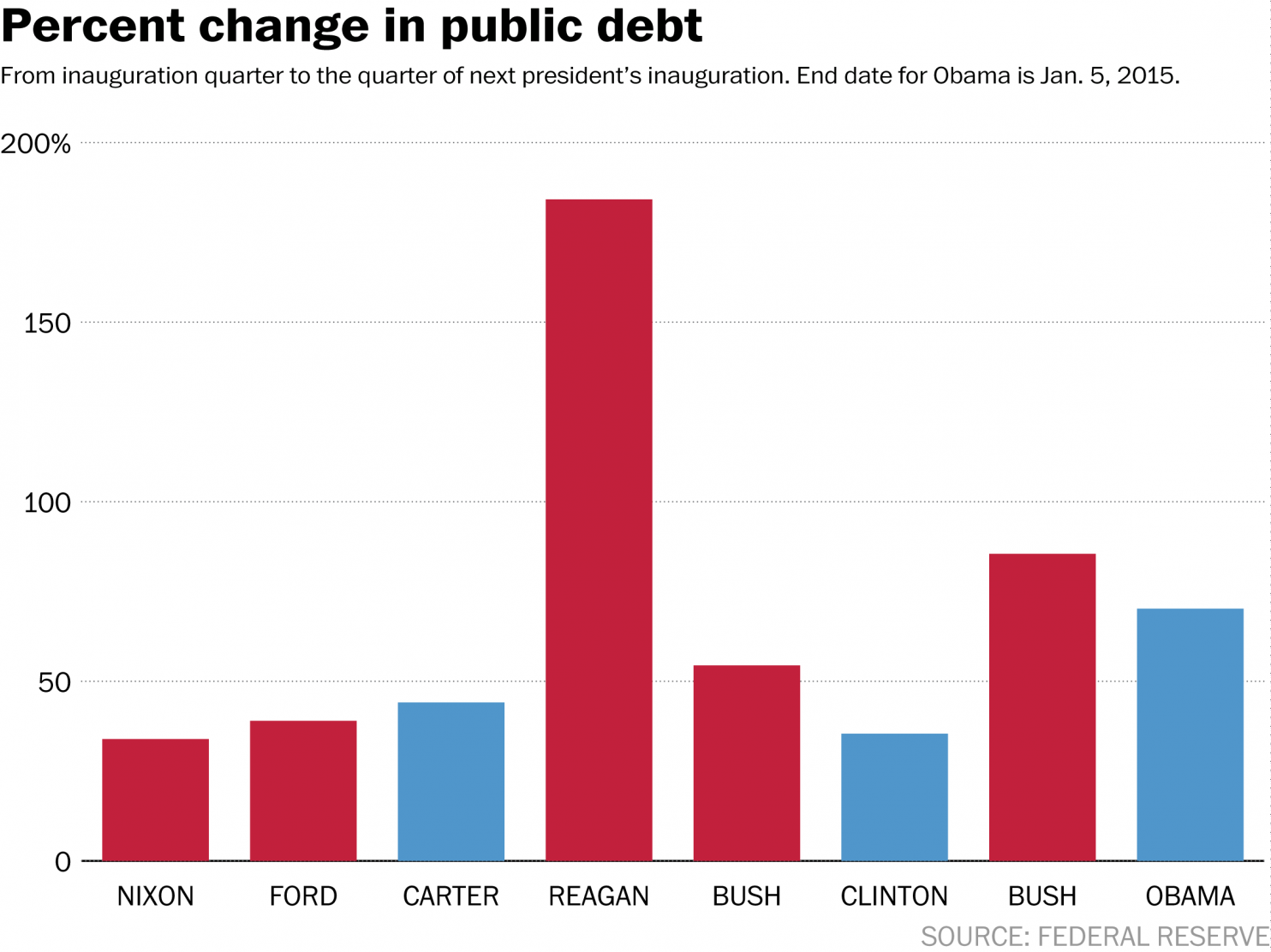
Spending causes deficits therefore tax-cuts cannot? How does that make any sense?
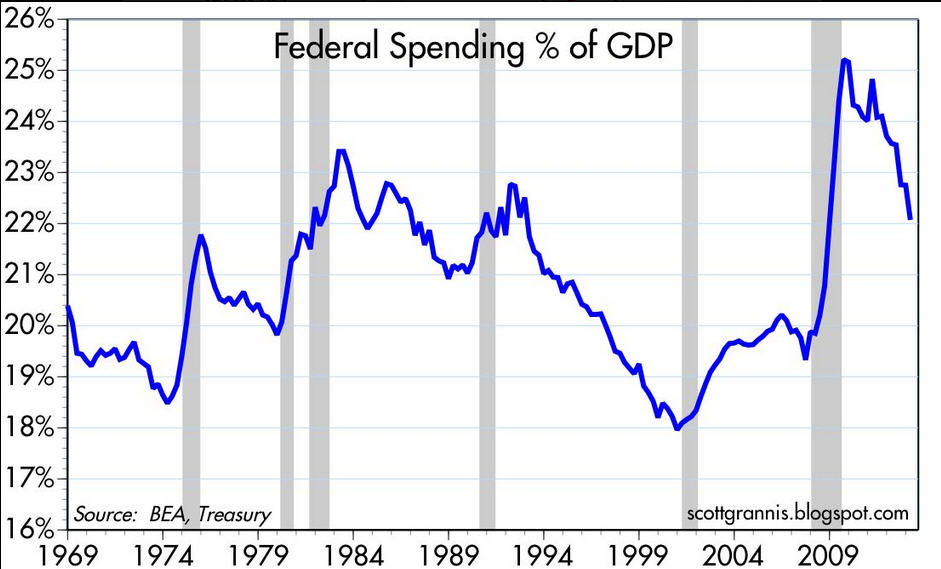
Revenues were down with respect to economy during Reagan years, even as economy posted solid growth.
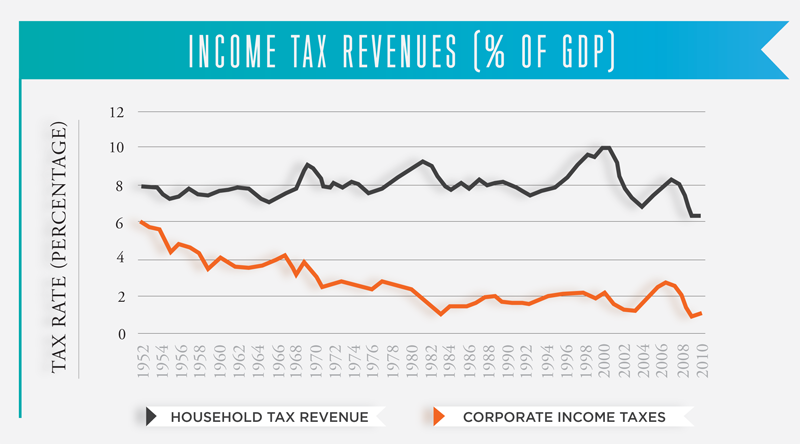
Then we had tax raises by Reagan, Bush and Clinton and collected record revenues at the top of 90's boom,which helped bring budget as close to balanced as we had in a very long time.
That was followed by more tax cuts, DISASTROUS receipts and oceans of red ink.
History around current rates is not very complicated - when you tax-cut you increase deficits.
Weird isn't it, back when they had a top marginal rate of 90%, the government wasn't taking in any more than when it was 39%. In fact sometime much less.
.
It's not weird, it's called being very far on right side of Laffer Curve. Almost no one was stupid enough to ride in the 90% tax braket and tax avoidance was rampant.
But at 39% and modern record keeping we are well on left side of the curve and reductions here do cause reduction in revenues.
So tell the class, where is the sweet spot?
.
Depends on type of tax, collection system and social factors. So there are a lot of answers.
Consensus for American income taxes is at least 50% (that's where most conservative, not liberal, macro economic opinion is)
Tax Analysts -- What Is the Revenue-Maximizing Tax Rate?
We of course DO NOT NEED maximized collections, we just need enough to pay for the spending.
Spending causes deficits therefore tax-cuts cannot? How does that make any sense?
Revenues were down with respect to economy during Reagan years, even as economy posted solid growth.
Then we had tax raises by Reagan, Bush and Clinton and collected record revenues at the top of 90's boom,which helped bring budget as close to balanced as we had in a very long time.
That was followed by more tax cuts, DISASTROUS receipts and oceans of red ink.
History around current rates is not very complicated - when you tax-cut you increase deficits.
Weird isn't it, back when they had a top marginal rate of 90%, the government wasn't taking in any more than when it was 39%. In fact sometime much less.
.
It's not weird, it's called being very far on right side of Laffer Curve. Almost no one was stupid enough to ride in the 90% tax braket and tax avoidance was rampant.
But at 39% and modern record keeping we are well on left side of the curve and reductions here do cause reduction in revenues.
So tell the class, where is the sweet spot?
.
Depends on type of tax, collection system and social factors. So there are a lot of answers.
Consensus for American income taxes is at least 50% (that's where most conservative, not liberal, macro economic opinion is)
Tax Analysts -- What Is the Revenue-Maximizing Tax Rate?
We of course DO NOT NEED maximized collections, we just need enough to pay for the spending.
All this theoretical stuff is fun, what concerns me is the inequity in current law. I'll give you a few examples. Like the refundable child tax credit, it's nothing but another welfare program embedded in the tax code, you want a damn welfare program do bury it in the tax code, put it in the damn budget so people can see exactly what we're spending on welfare.
Second people should pay the same taxes on the same incomes. That little thing about equal treatment under the 14th Amendment comes to mind. But that's not the case, they use the tax code for social engineering, rewarding people for the decisions the government endorses and taxing people at a higher rate who chose otherwise. Like people that chose not to have children, or a mortgage or live in lower tax States. People living in TN with no children or mortgage making $100,000 should pay the exact same tax as someone living in NY with 4 kids and a house making the same.
The way it is now, the folks in TN are subsidizing the life style of the people of NY, because even if they have the same house, number of kids and income, the folks in TN are still paying more to the feds because of the SALT deductions. That ain't right, how about we level the playing field? That applies to everyone regardless of tax rate.
.