2005 Anthony Fauci
To do it comprehensively requires going back to 1976 swine flu:
'As chief of NIAID's Clinical Physiology Section of the Laboratory of Clinical Investigation, Dr. Fauci was, in 1976, a frontline spectator during the NIH's bogus swine flu pandemic.
....
In the end, the actual number of swine flu casualties in 1976 was not 1 million, but one. Dr. Harvey Fineberg, who authored the government's 1978 comprehensive postmortem of NIAID's response to that fake pandemic, told the WHO Bulletin: " In '76, the virus was detected in a single military istallation, at Fort Dix, New Jersey. In ensuing weeks and months, not one related swine flu case was reported elsewhere in New Jersy, the USA or anywhere else in the world....At the same time, political decisioin-makers consistently thought that the scientists were giving them no choice but to go ahead with a mass immunization programme."
2005 Bird Flu
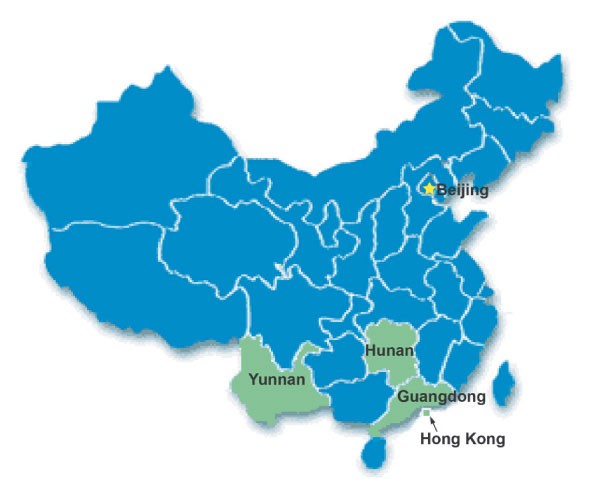
In 2005, Dr. Fauci revived NIAID's script from the 1976 debacle. This time the villain was an avian flu, H5N1. Like an agitated Chicken Little, Dr. Fauci had been warning the world about the immanent bird flu pandemic since 2001. That year, in a paper, "Infectious Diseases: Considerations for the 21st Century," Dr. Fauci balefully forcast a bird-to-human transmission of an influenza scourge that would decimate global populations, beginning with Hong Kong. He predicted unprecedented carnage from this "nesw strain of influenza A virus entering a population that is relatively naive for the microbe in question.
In 2004, a Vietnamese-based Oxford University Clinical Research Unit Director, Jeremy Farrar -- who would later rise to both knighthood and to command of the powerful Wellcome Trust -- and his Vietnamese colleague, Tran Tinh Hien, identified the emergence of the deadly bird flu, or H5N1, in humans. "It was a little girl. She caught it from a pet duck that had died and she'd dug up and reburied," Farrar told the Financial Times.
The Wellcome Trust heavily funded Oxford's Vietnam project. Drug developer Sir Henry Wellcome established Wellcome Trust with a donation of his stock in Burroughs Wellcome, the British pharmaceutical behemoth. In 1995, the Trust sold its stock to Burroughs Wellcome's chief competitor, GlaxoSmithKline, to facilitate the merger of Englands two pharmaceutical giants. Wellcome Trust's $30 billion endowment makes it the world's fourth-largest foundation and the globe's most prodigious financier of biomedical research. Like the Gates Foundation, Wellcome targets its donations to promote rthe interests of the pharmaceutical industry.'
(Kennedy, The Real Anthony Fauci pp. 358-61)
 sputniknews.com