
Pastelli
Platinum Member
- Nov 6, 2023
- 6,022
- 4,118
- 938
Comment: it does not help that Kristof wrote it as an opinion. Legitimizing a garbage and print in the paper "of record".
Shame.

NYT's Kristof's off the rail, including that ridiculous 'tail tale'
May 11, 2026.
A New York Times opinion column by Nicholas Kristof alleging sexual abuse of Palestinian detainees supposedly by Israeli forces sparked strong backlash from analysts, academics, and former officials. Critics point out the article relied on weak or unverified evidence, particularly claims involving dogs being used in assaults. Some accused Kristof of amplifying propaganda from sources linked to Hamas. Others emphasized that allegations of sexual violence require concrete evidence and careful verification before publication.
JPost:
While Hamas Sexual Crimes Were Being Documented, the NYT Shifted the Narrative to Propaganda.
The timing of the NYT hit-piece by an 'opinion' publication is politically motivated because it appeared just before the release of the Israeli Commission’s report on Hamas sexual violence.
Israel’s Foreign Ministry accused the NYT of deliberately ignoring evidence of Hamas atrocities while amplifying lies against Israel, “blood libel” that inverted reality by portraying Israelis — victims of October 7 sexual crimes — as supposed perpetrators. That this reflected a broader anti-Israel media campaign intended to delegitimize Israel internationally and influence UN actions.
The NYT op-ed itself relied on interviews with "Palestinians" who claimed supposed "abuse" by Israeli soldiers, prison guards, Shin Bet interrogators, and settlers. However, the credibility of those accusations is questioned, to say the least, as wrll as the reliability of cited organizations and sources. The criticism even from Hamas-critic Palestinian activists, including Ahmed Fouad Alkhatib, who warned that several advocacy groups cited in the article have histories of bias or factual problems.
The controversy is part of an information war surrounding October 7 and the Gaza conflict.
Israel is confronting not only Hamas militarily but also hostile narratives in major international media outlets. Unsubstantiated allegations (lies) against Israel are being elevated while Hamas’s documented sexual crimes are downplayed or ignored, creating a false moral equivalence between a democratic state and a terrorist organization
Another critique: 'When it comes to Oct. 7, the New York Times prefers baseless claims over actual reports - editorial.
And even Kristof himself admits that “it’s impossible to know how common sexual assaults against Palestinians are” -- though that does not stop him from going on about it for almost 4,000 words.'
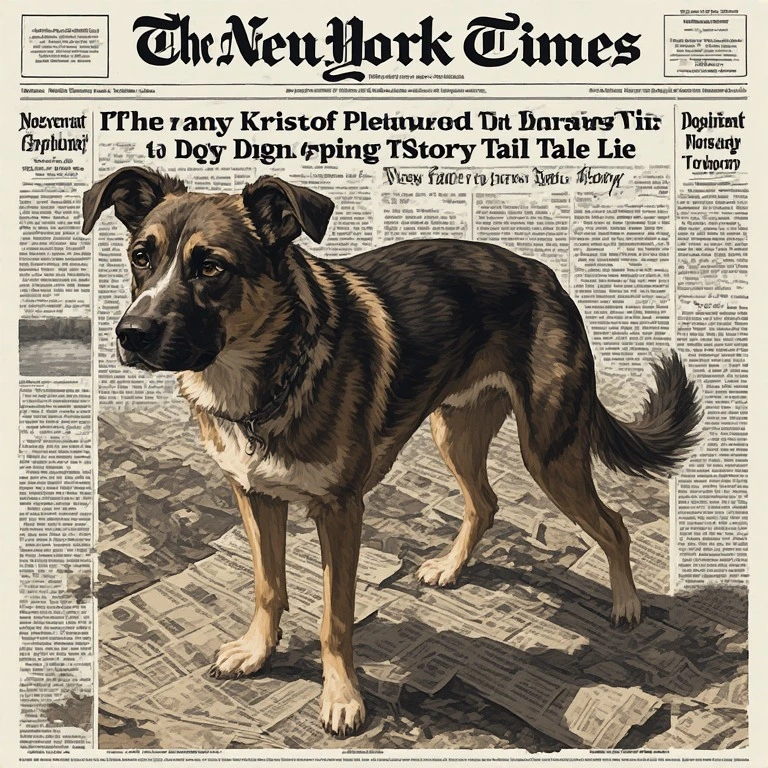
It points out that Nicholas Kristof and The New York Times blurred the line between opinion writing and investigative journalism by publishing unverified allegations about Israeli abuses of Palestinian prisoners. The outrage is especially promoting a claim — attributed to anonymous testimony and a report from Euro-Med Human Rights Monitor — that (tail tale) ridiculous claim, the accusation implausible and irresponsible to publish.
The piece criticizes Kristof for presenting allegations of systematic rape and sexual torture as effectively established despite admitting there is limited evidence about how widespread such abuses are.
It also points out that Kristof and the Times gave disproportionate attention to allegations against Israel while neglecting or downplaying documented sexual violence committed by Hamas during the October 7 attacks. It points to a report by the Civil Commission on October 7th Crimes by Hamas against Women and Children that the author says received insufficient coverage from the Times.
Daniel Friedman points out that the New York Times has repeatedly been misled by "Palestinian" sources in past reporting. He highlighted a previous case involving "Palestinian" [[[racist]]] Refaat Alareer (who whitewashed Hitler), who allegedly presented himself differently to a Times reporter than he did publicly elsewhere. Friedman stares this reflected a broader pattern of disinformation campaigns designed to shape Western perceptions. He also criticized Kristof’s recent article for repeating sensational claims without sufficient evidence.
An article from media watchdog HonestReporting accused the New York Times of “narrative activism” rather than rigorous journalism. That sources cited by Kristof had openly praised Hamas-linked militants or celebrated attacks on Israelis, information the paper allegedly failed to disclose. The piece also points out testimonies evolved over time with added graphic details that were not present in earlier accounts. It highlights the timing of the article’s publication, it coincided with renewed reporting on Hamas sexual violence during October 7 in order to redirect public attention.
David Collier and Eitan Fischberger posted on social media accusing the New York Times of spreading Hamas propaganda. They pointed to social media posts by one of the article’s sources allegedly celebrating Hamas attacks and argued this undermined the source’s credibility. Fischberger also referenced Kristof’s earlier (2014) involvement in promoting later-discredited stories by activist Somaly Mam, that Kristof had again failed to apply sufficient skepticism to dramatic allegations.
Another article points out that the New York Times had mainstreamed propaganda under the appearance of journalism. That the newspaper relied on pro terror politicized activist groups, omitted contextual information about key sources, and treated highly sensational allegations as fact without adequate corroboration. The article framed the controversy as part of a broader pattern in which accusations against Israel are quickly amplified while allegations against Hamas receive more scrutiny or hesitation.
A Reddit discussion expressed anger over the aforementioned publication reminding that legitimate concerns about abuse in detention settings were overshadowed by sensational claims lacking evidence. Users worried that mainstream publication of such accusations would increase public acceptance of conspiracy theories and anti-Jewish narratives.
'Does the NYT want to kill Jews?' INN's piece that The New York Times and columnist Nicholas Kristof are irresponsibly spreading false and inflammatory claims about Israel that contribute to antisemitism and violence against Jews worldwide.
Key points:
Shame.
NYT's Kristof's off the rail, including that ridiculous 'tail tale'
May 11, 2026.
A New York Times opinion column by Nicholas Kristof alleging sexual abuse of Palestinian detainees supposedly by Israeli forces sparked strong backlash from analysts, academics, and former officials. Critics point out the article relied on weak or unverified evidence, particularly claims involving dogs being used in assaults. Some accused Kristof of amplifying propaganda from sources linked to Hamas. Others emphasized that allegations of sexual violence require concrete evidence and careful verification before publication.
JPost:
While Hamas Sexual Crimes Were Being Documented, the NYT Shifted the Narrative to Propaganda.
The timing of the NYT hit-piece by an 'opinion' publication is politically motivated because it appeared just before the release of the Israeli Commission’s report on Hamas sexual violence.
Israel’s Foreign Ministry accused the NYT of deliberately ignoring evidence of Hamas atrocities while amplifying lies against Israel, “blood libel” that inverted reality by portraying Israelis — victims of October 7 sexual crimes — as supposed perpetrators. That this reflected a broader anti-Israel media campaign intended to delegitimize Israel internationally and influence UN actions.
The NYT op-ed itself relied on interviews with "Palestinians" who claimed supposed "abuse" by Israeli soldiers, prison guards, Shin Bet interrogators, and settlers. However, the credibility of those accusations is questioned, to say the least, as wrll as the reliability of cited organizations and sources. The criticism even from Hamas-critic Palestinian activists, including Ahmed Fouad Alkhatib, who warned that several advocacy groups cited in the article have histories of bias or factual problems.
The controversy is part of an information war surrounding October 7 and the Gaza conflict.
Israel is confronting not only Hamas militarily but also hostile narratives in major international media outlets. Unsubstantiated allegations (lies) against Israel are being elevated while Hamas’s documented sexual crimes are downplayed or ignored, creating a false moral equivalence between a democratic state and a terrorist organization
Another critique: 'When it comes to Oct. 7, the New York Times prefers baseless claims over actual reports - editorial.
And even Kristof himself admits that “it’s impossible to know how common sexual assaults against Palestinians are” -- though that does not stop him from going on about it for almost 4,000 words.'
It points out that Nicholas Kristof and The New York Times blurred the line between opinion writing and investigative journalism by publishing unverified allegations about Israeli abuses of Palestinian prisoners. The outrage is especially promoting a claim — attributed to anonymous testimony and a report from Euro-Med Human Rights Monitor — that (tail tale) ridiculous claim, the accusation implausible and irresponsible to publish.
The piece criticizes Kristof for presenting allegations of systematic rape and sexual torture as effectively established despite admitting there is limited evidence about how widespread such abuses are.
It also points out that Kristof and the Times gave disproportionate attention to allegations against Israel while neglecting or downplaying documented sexual violence committed by Hamas during the October 7 attacks. It points to a report by the Civil Commission on October 7th Crimes by Hamas against Women and Children that the author says received insufficient coverage from the Times.
Daniel Friedman points out that the New York Times has repeatedly been misled by "Palestinian" sources in past reporting. He highlighted a previous case involving "Palestinian" [[[racist]]] Refaat Alareer (who whitewashed Hitler), who allegedly presented himself differently to a Times reporter than he did publicly elsewhere. Friedman stares this reflected a broader pattern of disinformation campaigns designed to shape Western perceptions. He also criticized Kristof’s recent article for repeating sensational claims without sufficient evidence.
An article from media watchdog HonestReporting accused the New York Times of “narrative activism” rather than rigorous journalism. That sources cited by Kristof had openly praised Hamas-linked militants or celebrated attacks on Israelis, information the paper allegedly failed to disclose. The piece also points out testimonies evolved over time with added graphic details that were not present in earlier accounts. It highlights the timing of the article’s publication, it coincided with renewed reporting on Hamas sexual violence during October 7 in order to redirect public attention.
David Collier and Eitan Fischberger posted on social media accusing the New York Times of spreading Hamas propaganda. They pointed to social media posts by one of the article’s sources allegedly celebrating Hamas attacks and argued this undermined the source’s credibility. Fischberger also referenced Kristof’s earlier (2014) involvement in promoting later-discredited stories by activist Somaly Mam, that Kristof had again failed to apply sufficient skepticism to dramatic allegations.
Another article points out that the New York Times had mainstreamed propaganda under the appearance of journalism. That the newspaper relied on pro terror politicized activist groups, omitted contextual information about key sources, and treated highly sensational allegations as fact without adequate corroboration. The article framed the controversy as part of a broader pattern in which accusations against Israel are quickly amplified while allegations against Hamas receive more scrutiny or hesitation.
A Reddit discussion expressed anger over the aforementioned publication reminding that legitimate concerns about abuse in detention settings were overshadowed by sensational claims lacking evidence. Users worried that mainstream publication of such accusations would increase public acceptance of conspiracy theories and anti-Jewish narratives.
'Does the NYT want to kill Jews?' INN's piece that The New York Times and columnist Nicholas Kristof are irresponsibly spreading false and inflammatory claims about Israel that contribute to antisemitism and violence against Jews worldwide.
Key points:
- Kristof accused of publishing unverified allegations against Israel, especially a libelous claim that Israeli forces used dogs to sexually abuse prisoners, which is of course absurd and impossible.
- Kristof relied on "anonymous" testimony and on the pro-Hamas Euro-Med Human Rights Monitor, unreliable.
- That major media outlets, especially the New York Times, repeatedly amplify false accusations against Israel while giving too much credibility to Hamas-linked sources.
- Cites past controversies — such as false reporting on the Jenin battle and the Al-Ahli Arab Hospital explosion — as examples of anti-Israel misinformation.
- This type of reporting fuels antisemitic attacks, including violence against synagogues and Jewish individuals.
- The piece ends by accusing the Times of acting with deliberate malice toward Jews and quotes writer Eve Barlow criticizing the newspaper.
Last edited:


