“Ultimately, companies have to make a decision to risk their capital… nobody knows how this episode is going to play out,” Mark Viviano, managing partner at Kimmeridge, a private equity firm focused on oil and gas, told a packed conference room on March 8. “I don’t think it’s realistic to think there’s going to be a collective industry response to this crisis. Unfortunately, it’s just not the way the industry is.”
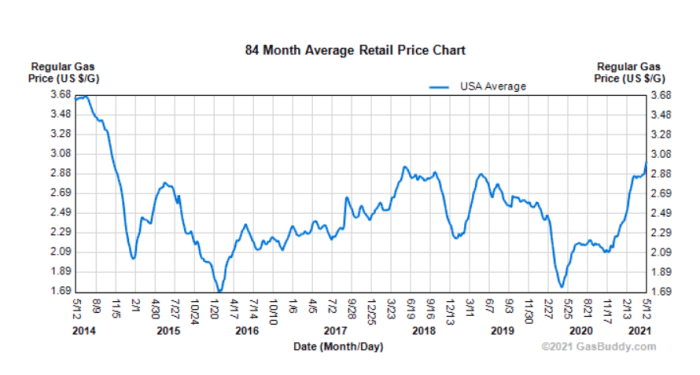
Typically, a steep rise in oil prices would drive a steep uptick in drilling, but this time around may be different. Between June 2014 and July 2016, the U.S. benchmark price of a barrel of oil declined from more than $100 dollars to around $30. After the industry suffered huge losses in the years leading up to the COVID-19 pandemic, investors continue to prioritize safe profits.
So even though the Biden administration has enacted very few climate regulations on oil and gas, industry leaders say they continue to feel the climate pressure from investors. Getting more oil flowing requires capital and comes with high risks in a volatile oil market.