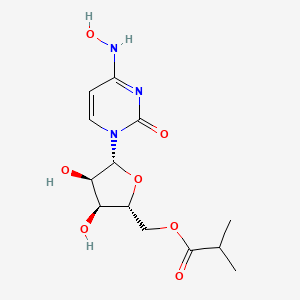
Favilavir (post #945) aka favipiravir, is a prodrug activated by human metabolism, a key enzyme being hypoxanthine guanine ribosyltransferase (HGPRT). We thank Australia for keeping an eye on vaccinations in the region, especially covert COVID-19 vaccinations.
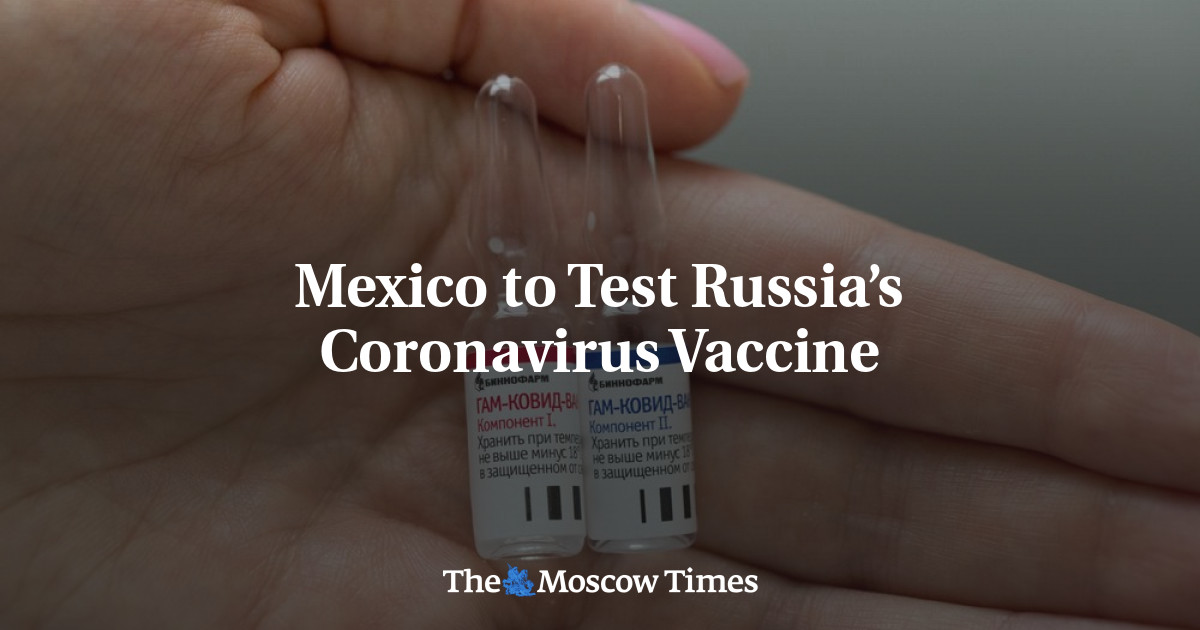
23 Aug 2020 Coronavirus: Chinese Mining Company Tests Vaccine on Papua New Guinea Workers Without Country's Permission
'....Phone calls to Ramu's office in the Papua New Guinea city of Madang and the parent company's Beijing headquarters were not answered on Friday....The vaccine could cause false-positive test results in those who received it.'
The report mentions that it was Chinese workers who were vaccinated. However, there is more to the story than meets the eye. Firstly, we link the lack of the enzyme, HGPRT, to Lesch-Nyhan syndrome:
Lesch-Nyhan Syndrome
'....similar to those seen in Huntington's disease....inherited in an X-linked recessive manner....carrier females are generally an asymptomatic condition....the overwhelming majority of LNS patients are male.'
The Lesch-Nyhan syndrome links to kuru via the symptom of
choreoathetosis:
2017 Spain Lesch-Nyhan / Coreoathetosis
Complete deficiency of hypoxanthine-guanine phosphoribosyltransferase (HPRT) activity causes Lesch Nyhan disease (LND), characterized by hyperuricemia, severe action dystonia, choreoathetosis, ballismus, cognitive and attention deficit and self-injurious behavior. Partial HPRT deficiency is...

www.ncbi.nlm.nih.gov
It was Gajdusek, writing on kuru in the Fore people of New Guinea, who photographed and documented athetoid movements in Yakurimba, a young male suffering from kuru. Next, we note the distance on maps from Madang to the Fore area:
Madang

en.wikipedia.org
Fore People
en.wikipedia.org
Thus, COVID-19-vaccinated Chinese workers just miles from where the lack of the enzyme, HGPRT, that causes athetoid symptoms link to the athetoid symptoms of kuru. How would the Chinese benefit from such an arrangement?