
TheProgressivePatriot
Platinum Member
see post 11So, no rebuttal, just sarcasm?
Follow along with the video below to see how to install our site as a web app on your home screen.
Note: This feature may not be available in some browsers.
see post 11So, no rebuttal, just sarcasm?

The solution for global hunger is to have fewer children in the developing world. Hard to develop when your people are starving."Diet for a Small Planet," by Frances Moore Lappé, is a groundbreaking book advocating for a plant-based diet as a solution to global hunger and environmental problems. Published in 1971, it argues that the industrialized food system, particularly meat production, is wasteful, inefficient, and harmful to both human health and the planet. The book promotes the idea that a shift towards plant-centered eating, focusing on whole grains, vegetables, and legumes, can address food scarcity, reduce environmental impact, and promote social justice.
- Critique of the Meat-Heavy Diet:
The book highlights the inefficiencies of meat production, showing how much land, water, and energy are required to raise livestock compared to growing crops for direct human consumption.
- Plant-Based Nutrition:
Lappé demonstrates that a plant-based diet can provide all the necessary protein and nutrients for a healthy life, challenging the common belief that meat is essential
- Environmental Impact:
"Diet for a Small Planet" emphasizes the environmental consequences of industrial agriculture, including deforestation, water pollution from fertilizer runoff, and greenhouse gas emissions.

And yet just like Pavlov's Dog, here you are chomping at the bit with your usual bullshit.lolol... (I'm laughing because I rarely start these threads, but I get paged to them....
Unless you hunted gazelle on the Serengeti with lions, you never did that. Animals hunted and killed in Africa are routinely tortured and terrified before killing, then left to decay (crocodiles prefer their meat that way), but otherwise, you've eaten no corpses, the meat was cut up into steaks by the time you saw it, none of it was decaying, because it was all kept well-refrigerated and fresh according to USDA standards, none of it was abused, a meaningless term you fail to define, farm animals lead a rather idyllic life, none of them was terrified, except maybe a little the last few seconds as it was being dispatched, and I seriously doubt any of the animals were tortured. But then, you probably count the ear tag they get as a form of torture and use some video made in the 1970s as your backing.I'll never go back to eating the decaying corpses of abused, terrified, tortured animals.
Everything including vegetables begin to decay once harvested. Also, there's actually more vegetable waste than animal waste in our food system. Animal skins are made into leather. Vegetable 'skins' go to landfills where they feed rats and produce methane.lolol... (I'm laughing because I rarely start these threads, but I get paged to them....which is pretty much the opposite of how a few folks on this site portray things.)
As for carnivorism....Nooope. I'll never go back to eating the decaying corpses of abused, terrified, tortured animals. Just the thought of it now is weird and gross to me.
View attachment 1126526

Could be it swallowed an old barometer or something.The problem with Burmese python meat is they've found high levels of mercury in the meat. Not sure how big the sample size is, it probably merits a larger study.
Moar poop cannons!The biggest problem in agriculture and food production is the mismanagement of animal manures and the wanton use of chemical replacements.
India, a country that can ill afford bad ag practices, is a good example.The biggest problem in agriculture and food production is the mismanagement of animal manures and the wanton use of chemical replacements.
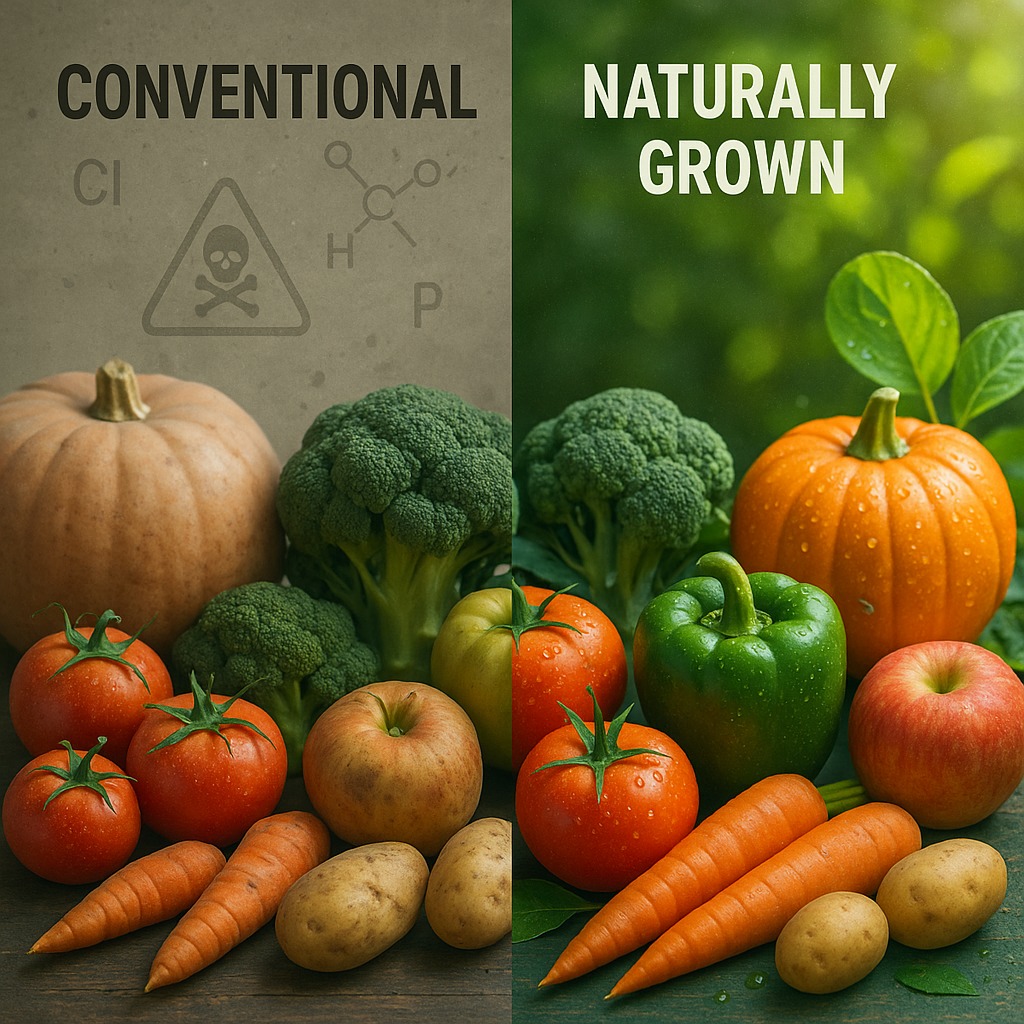
 freshfarmse.com

Hopefully the study was more than one Python.Could be it swallowed an old barometer or something.

But that one's levels got added into the average.Hopefully the study was more than one Python.
All vegetables??? Really??True. Vegetables produce more gas than meat.
You seem to be afflicted with a bad case of fuzzy thinking. You started this buy proclaiming that people should eat more meat. Then at some point you decided that people just eat too much. The fact is that some people do eat too much while others do not eat enough, and that is not by choice.The problem is that people eat too much meat; over 200 pounds per person per year. I eat meat nearly every day but only consume about 50 pounds per year. Recalculate the problem using my consumption figure.
Based on obesity rates people eat way too much food, which of course means more food production, which means more abuse of the land by plowing, chemicals, water needs, etc.
There's a right way to do things, but people just haven't discovered it yet.
Really ?And what are you basing that on?. Offering an opinion without anything to back it up is nothing more that an appeal to ignorance logical fallacyAs a "revolution" the book is an abysmal failure. We are overeating and our health is declining.
You have yet to explain that, The fact is that growing vegetables and grains to feed to animal that we then eat is a grossly inefficient way to feed the planet, We can produce enough food and more to feed everyone but only if we make better use of the land. There is no way in hell that you can refute that,Growing vegetables is destroying the planet.
Sure , over population is a problem in some regions, But what does that have to do with the premise of your thread.? "eat more meat?? or is is Eat less? Or is is it vegetables are killing the earth?The solution for global hunger is to have fewer children in the developing world. Hard to develop when your people are starving.
People eat too much bad food,Based on obesity rates people eat way too much food,
The real problem is how much we waist and how much food that we produce does not get to the people who need it because of politics ,economics and logistics. Producing less will not solve that and may actually exacerbate the problem.We could return half of our croplands to grasslands and forests if we ate less food. This would even improve the weather/climate.


