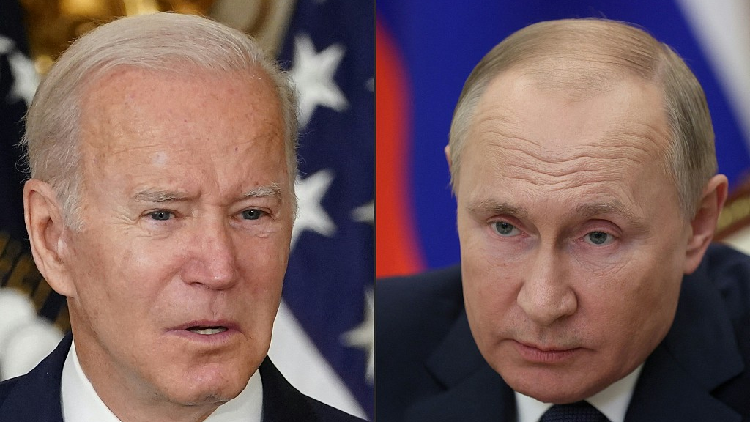
Biden's admin has been trying with Vlad for half a year.

news.cgtn.com
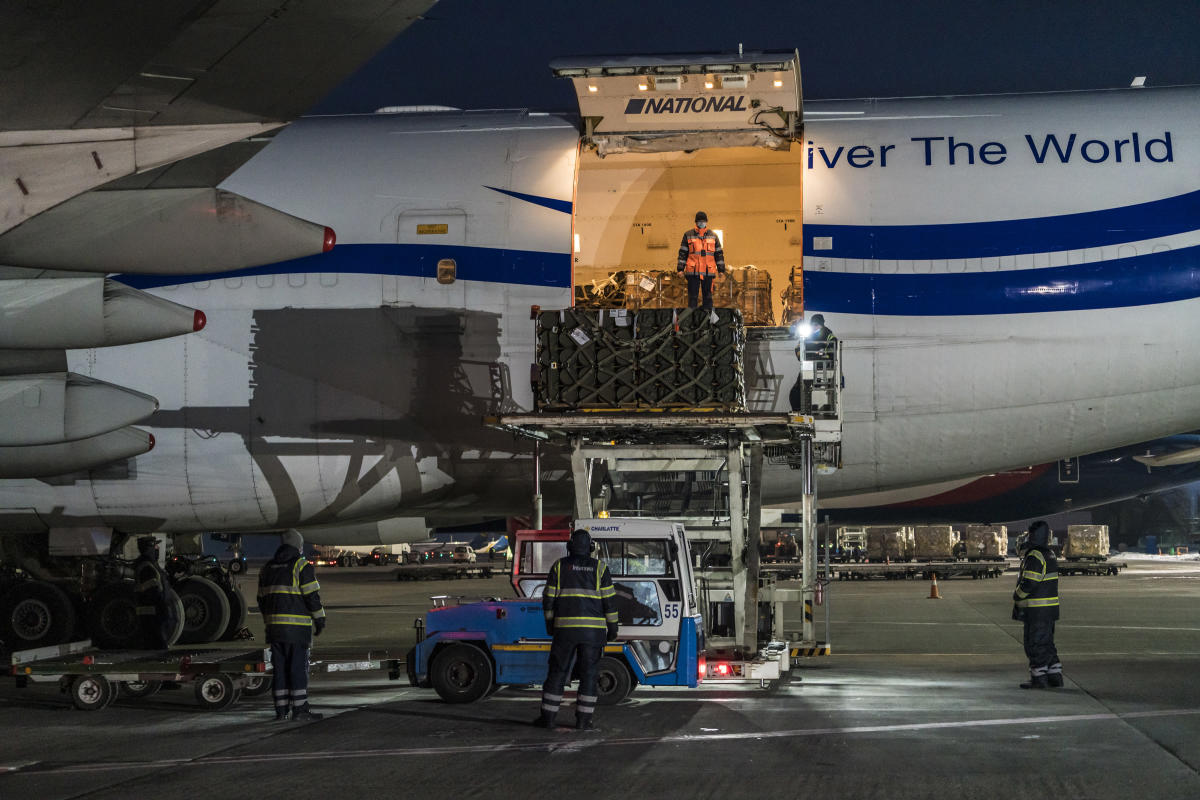
A delivery of military equipment including Javelin missiles from the United States arrives in Kyiv, Ukraine, Jan. 25, 2022. (Brendan Hoffman/The New York Times)
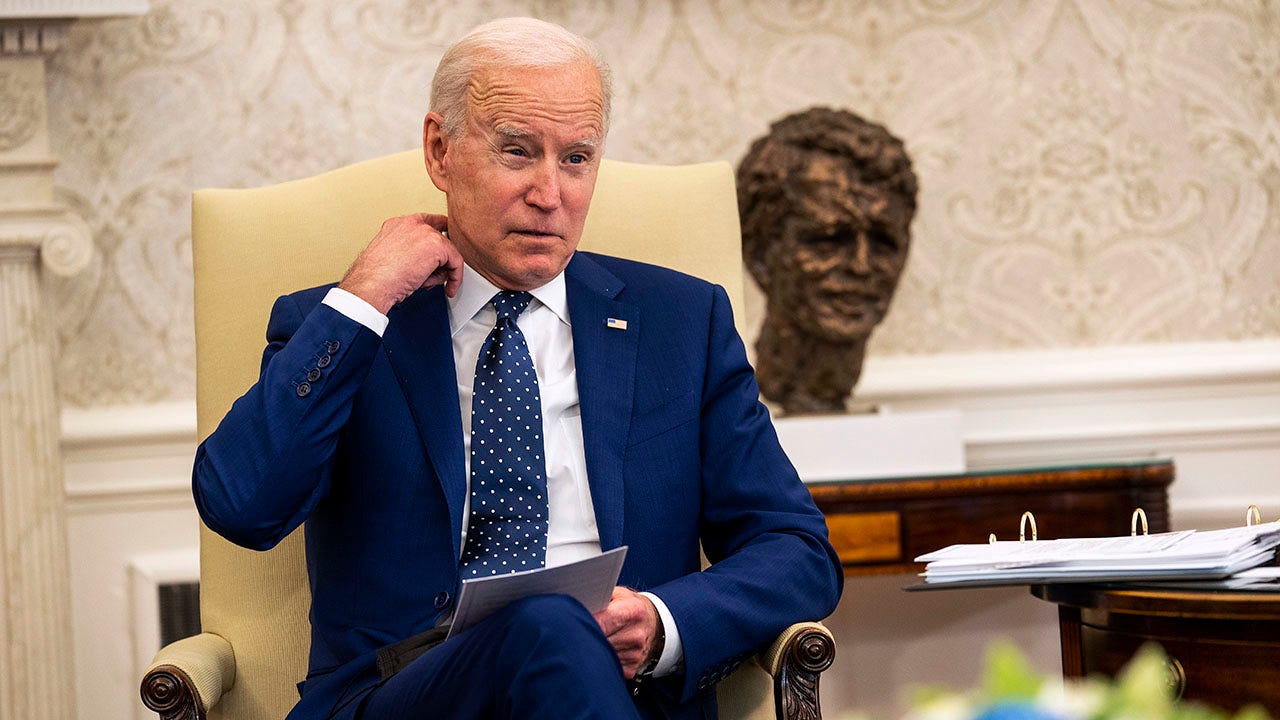
WASHINGTON — In a series of top-secret meetings in October, President Joe Biden’s national security team presented grim intelligence that would soon trigger a fierce effort to prevent what could become the largest armed conflict in Europe since World War II.
Vladimir Putin, the Russian president, was preparing to invade Ukraine, top intelligence and military officials told Biden. Gathering each morning in the Oval Office for the global threat assessment known as the President’s Daily Brief, they described satellite images of Russian forces methodically advancing toward Ukraine’s border.
Not only did the United States have images of troops moving into position, it also had the Russian military’s plans for a campaign against Ukraine — elements of which had already begun. At one of the morning meetings, Biden dispatched William J. Burns, the CIA director, to Moscow with a message for Putin:
Sign up for The Morning newsletter from the New York Times
We know what you’re planning to do.
Stopping him would be a challenge. Many of America’s closest allies were skeptical that Putin — a master of disinformation — would actually invade. The use of U.S. military force against Russia was off the table, so the allies would have to threaten Putin with economic pain so severe it would also have consequences in Europe and the United States. And it was far from certain that Republicans in Congress would back whatever the administration did.
On Monday, after delivering a grievance-filled speech attacking Ukraine’s sovereignty, Putin ordered troops into two Russia-backed separatist regions in the country. But it remains unclear how far, or quickly, the Russian military will advance. And by day’s end, the United States and its allies imposed only limited sanctions, reserving the full might of their response for moves that Putin might yet make.
The White House acknowledged from the start that its campaign to stop Putin might not actually prevent Russia from invading Ukraine. But at the very least, White House officials say, Biden exposed Putin and his true intentions, which helped unite, at least for now, the at-times fractious NATO alliance.
Over the course of 3 1/2 months, Biden made three critical decisions about how to handle Russia’s provocations, according to interviews with more than a dozen senior administration officials and others who requested anonymity to discuss confidential meetings. Early on, the president approved a recommendation to share intelligence far more broadly with allies than was typical, officials said. The idea was to avoid disagreements about tough economic sanctions by ensuring that everyone knew what the United States knew about Putin’s actions.
Biden also gave the green light for an unprecedented public information campaign against Putin. With the support of his top intelligence officials — and with a promise to protect the intelligence agencies’ “sources and methods” — the president allowed a wave of public releases aimed at preventing Putin from employing his usual denials to divide his adversaries.
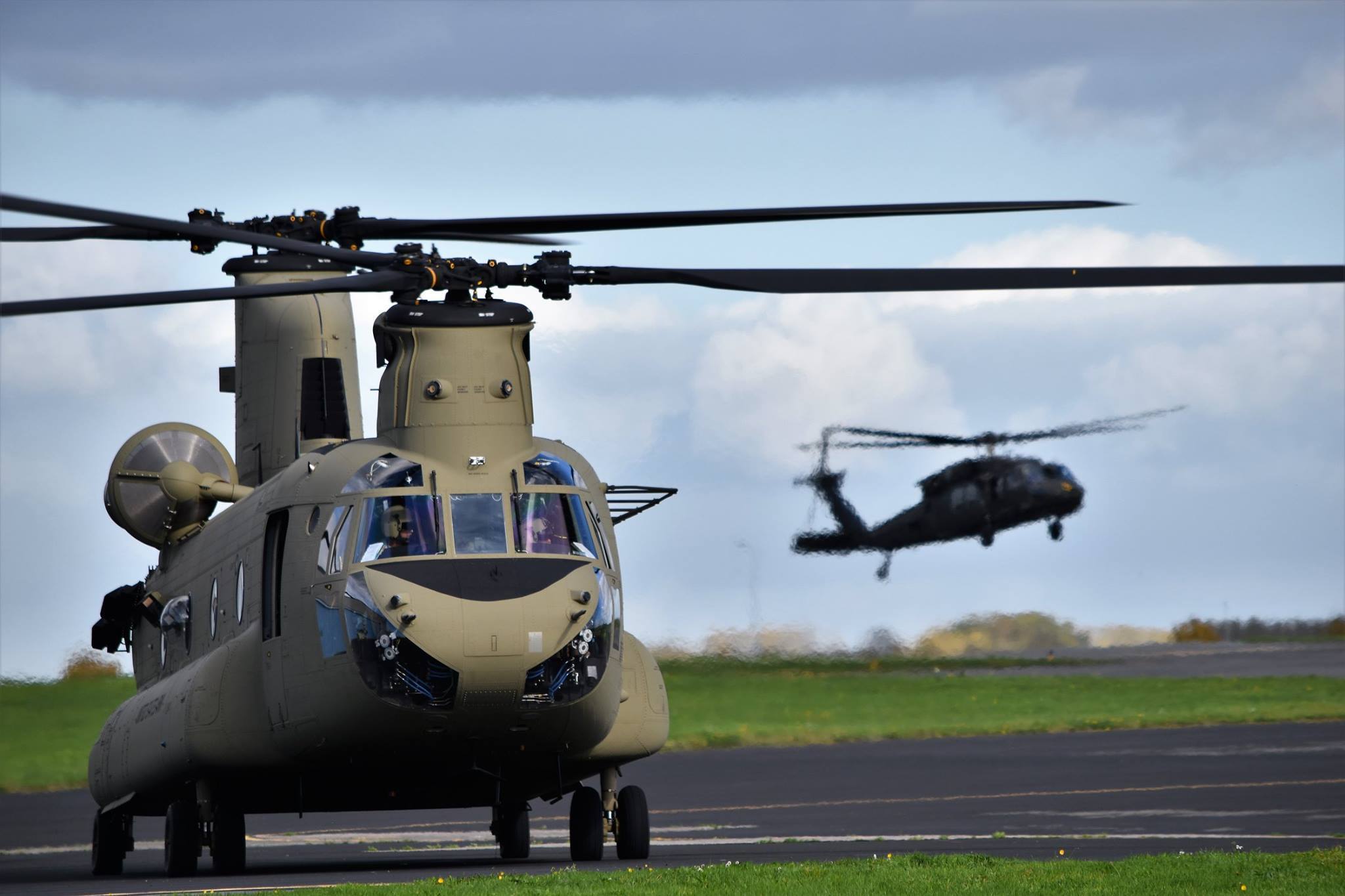
And when it became clear this year that Putin was continuing to build up forces at Ukraine’s border, the president approved sending Ukraine more weapons, including Javelin anti-tank missiles, and deploying more troops to other countries in Eastern Europe as a show of solidarity with Ukraine and to reassure nervous allies on NATO’s eastern flank.
WASHINGTON — In a series of top-secret meetings in October, President Joe Biden’s national security team presented grim intelligence that would soon trigger a fierce effort to prevent what could become the largest armed conflict in Europe since World War II. Vladimir Putin, the Russian...

www.yahoo.com