Read this article. Here's a taste:
This problem, where vaccination fosters the evolution of more virulent disease,
does not apply to most human vaccines. Those against mumps, measles, rubella, and smallpox are “perfect:” They protect against disease
and stop people from transmitting the respective viruses. “You don’t get onward evolution,” says Read. “These vaccines are very successful, highly effective, and very safe. They have been a tremendous success story and will continue to be so.”
He is more concerned about the next generation of vaccines that are being developed against diseases like HIV
and malaria. People don’t naturally develop life-long immunity to these conditions after being infected, as they would against, say, mumps or measles. This makes vaccine development a tricky business, and it means that the resulting vaccines will probably leak to some extent. “This isn’t an argument against developing those vaccines, but it
is an argument for ensuring that we carefully check for transmission,” says Read.
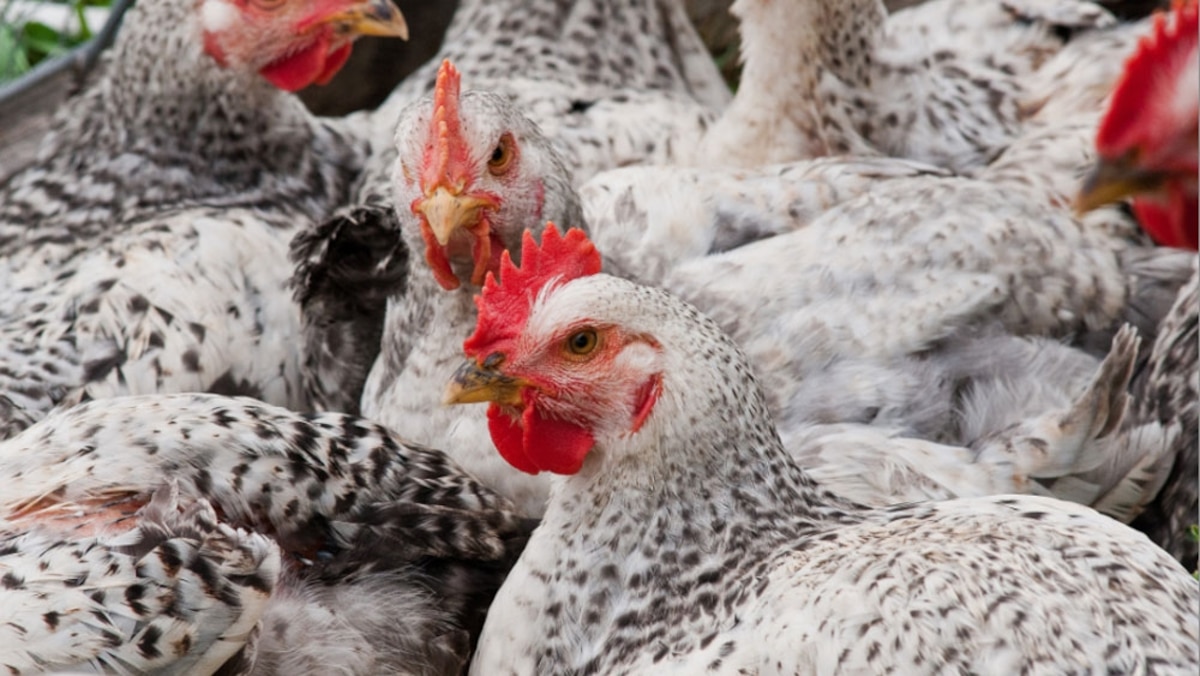
Over the past fifty years, Marek’s disease—an illness of fowl—has become fouler. Marek’s is caused by a highly contagious virus, related to those that cause herpes in humans. It spreads through the dust of contaminated chicken coops, and caused both paralysis and cancer. In the 1970s, new...

www.nationalgeographic.com