Why did Ukraine’s Euromaidan protests begin?
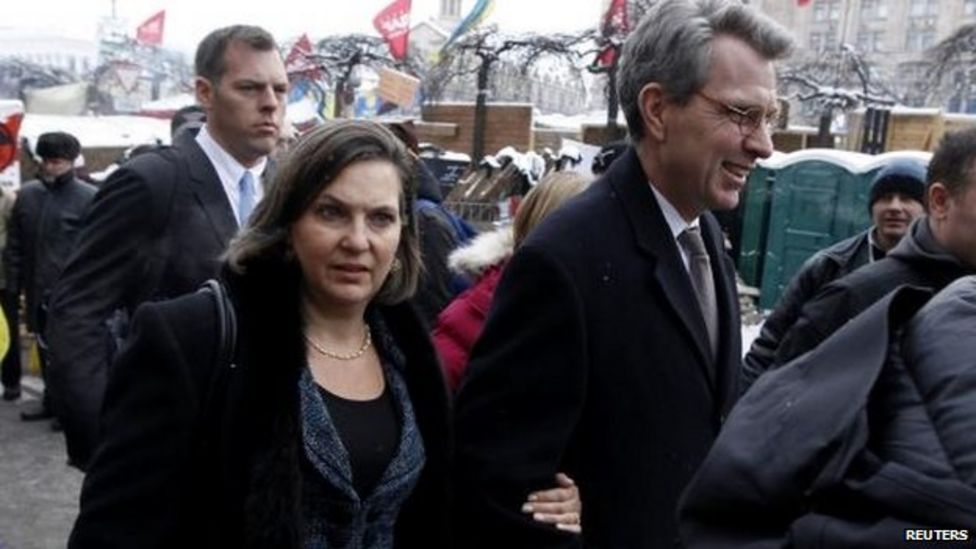
In late November 2013, Ukrainians took to the streets in peaceful protest after then-president Viktor Yanukovych chose not to sign an agreement that would have integrated the country more closely with the European Union.As the protests in Kyiv’s Independence Square, or Maidan, continued into 2014, the government began cracking down on the demonstrators. The size of the protests only grew in reaction and turned into what was termed “the revolution of dignity.” Those who remained on the Maidan risked assault, kidnapping, unlawful arrest, and loss of their jobs. On January 16, the government introduced a series of repressive laws severely restricting civil society and the right to protest. On January 22, the first protesters were killed in clashes in Kyiv; in all, over 100 mostly civilian protesters died, the majority on February 20 and 21.On February 22, after President Yanukovych had fled the country, parliament voted to oust him and hold new elections. On May 25, Ukrainians elected Petro Poroshenko as president. After October elections, a new pro-reform coalition government came into power in December 2014.
What were the Euromaidan protests about
The protests were more than a demand for closer EU relations; they were a rejection of injustice as a way of life and of the post-Soviet politics of corruption and nepotism. Ukrainians took to the streets to denounce the country’s endemic corruption, from the
grand corruption practiced by ex-president Yanukovych and his peers, to everyday corruption and petty unfairness—like the need to bribe a teacher to get better classroom conditions for your children, a doctor to get an appointment, or the traffic police to avoid unlawful fines.Civil society activists and NGOs played an important role in organizing this early protest movement. Ukraine’s independent media—including Ukrainska Pravda,
Nashi Groshi (Our Money), and
Slidstvo.info—were also pivotal in exposing the corruption that eventually brought people onto the streets in November 2013.The brutal government crackdown that followed these initial protests galvanized Maidan supporters and encouraged more to join. This momentum, further propelled by the killings of February 20 and 21, led to the removal of ex-president Yanukovych from power.
What happened in Crimea and how has it affected people living there?
On February 27 and 28, pro-Russian gunmen seized key buildings in Crimea and took control of the Crimean Peninsula, which has an ethnic Russian majority. On March 16, in a disputed referendum that Ukraine and the West
deemed illegal, a section of the Crimean population chose to secede from Ukraine. On March 18, Russian and Crimean leaders signed a deal in Moscow to join the region to Russia.Following Russia’s annexation of Crimea, many people from the Ukrainian community and Crimean Tatar minority community, fearing repression, fled the region. Those who stayed behind have faced persecution. Other vulnerable groups have also suffered; for instance,
methadone treatment for former drug users is not allowed under Russian law and was stopped after the annexation—an estimated 100 people have died in Crimea as a result.
Amid ongoing conflict, Ukraine’s civil society is working hard to enable reforms; support independent, accurate reporting; and help thousands of displaced people.

www.opensocietyfoundations.org
Your mind is starved for facts @georgephillip . Your head is so far up Putin’s fascist ass it gets no oxygen or sunlight. You are so far left you wen full circle to the Trump fascist right.
When Putin annexed Crimea he took a million pro-Moscow voters out of Ukraine. He could not control a Ukrainian election ever again. What we see today - military invasion and genocide is the result on how Putin intended to take all of Ukraine all along., He built the bridge tin Crimea for his tanks not for tourists