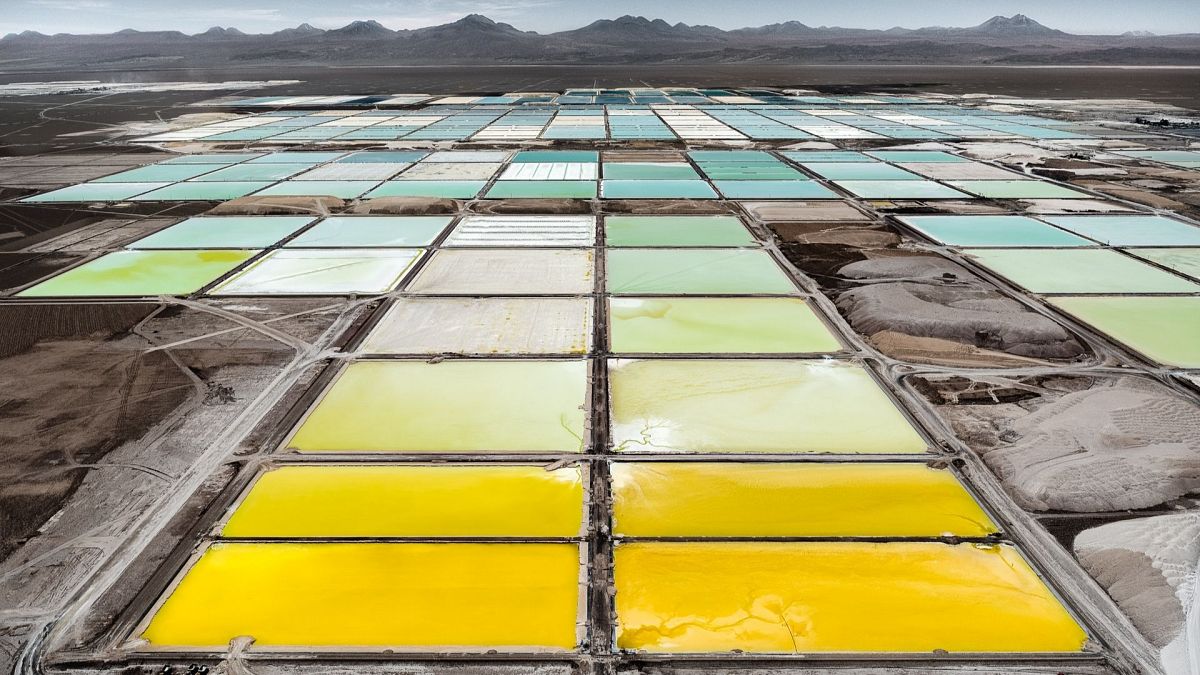
You are ignoring the water issue and those ponds are highly toxic and have leaked into the environment.
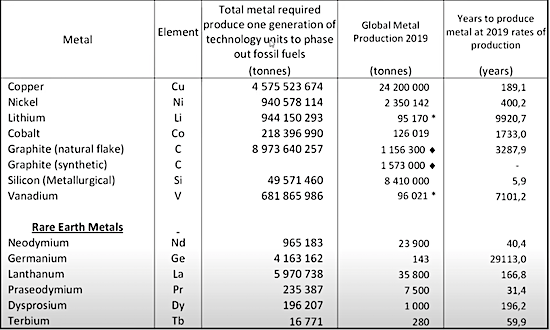
Once in operation, electric cars certainly reduce your carbon footprint, but making the lithium-ion batteries could emit 74% more CO2 than for conventional cars.

www.industryweek.com
Is the EV industry hiding some very real "dirty" secrets behind its outward "green" credentials? Let's dissect the paradox.

interestingengineering.com
The Paradox of "Clean" EVs and the "Dirty" Lithium Mining Business
Are EVs really that "clean"? Let's take a look at this very real paradox.
/avatars/XT3vqpiaHT53.jpg "Christopher McFadden") Christopher McFadden
Christopher McFadden
| Apr 10, 2021 12:03 PM
SCIENCE
Ivan Radic/Flickr
Electrical vehicles (EVs) are commonly hailed as something of a
panacea to combating the issue of climate change. By dispensing with "dirty" and polluting combustion engines, these all-electric modes of transport are, so it is claimed, just the ticket for a
greener, more sustainable future.
But, is this really true?
To answer this, let's take a long hard look at the validity of EV's "green credentials."
What is the environmental impact of EVs?
There are some very real environmental benefits to EVs on paper, in reality, there is no such thing as "free lunch"; they may not be that "clean" after all.
A paradox, if you will.
EVs, like anything manufactured, require raw materials in order to be produced, and some of these materials come bundled with very serious potential environmental costs.
One of the most serious being lithium. Forming the cathode of most
lithium-ion batteries, some of the ways that lithium is sourced are far from environmentally friendly.
Source: Peter Miller/Flickr
An alkali metal, lithium has seen enormous growth in demand over the last few decades.
This is partly a result of the growth in demand for EVs, but also the fact that lithium is used in the batteries of many electronic devices, such as smartphones and laptops. Lithium is also an important raw resource for the production of glass and ceramics, too.
And its use has been accelerating over time. According to some sources, between 2008 and 2018, annual production of lithium rose
from 25,400 to 85,000 tons.
Li-ion battery production aside (we'll dedicate a section to that later), other environmental impacts include the kinds of motors used in EVs. Depending on the model, these will either be permanent magnets or induction motors.
The former tend to be made of rare-earth metals which require energy-intensive extraction and refinement processes. The mining of these materials can also lead to the release of toxic byproducts that, in countries with less than ideal environmental practices, can be devastating for the environment.
Another environmental impact of EVs is the method in which the electricity used to power them is sourced. For many countries, this still includes large amounts of fossil fuel power stations.
Possibly the most important environmental impact of EVs is the way lithium for their batteries are sourced.
These batteries tend to consist of lithium cobalt for the cathode and graphite for the anode. A typical EV lithium-ion battery's electrolyte is also made of lithium salt.
More than half of this lithium comes from
the so-called Lithium-Triangle that lies under
Argentina, Bolivia, and Chile. To extract it, miners drill holes in the salt flats and pump the salty, mineral-rich brine to the surface, leaving it to evaporate in huge artificial lakes or ponds.
This process uses a lot of water, over 500,000 gallons (close to 2 million liters) for each ton of lithium produced. Such enormous consumption of water impacts not only the surrounding ecosystems but also has a huge impact on local farmers — for obvious reasons.
Piles of salt ready for collection at the Uyuni Salt Flat in Bolivia. The crust sits a few centimeters above a pool of lithium-rich brine.
Source: Dan Lundberg/Flickr
Not only that, but these large evaporation pools are often far from sealed. This can, and has, led to the leaching of toxic substances into the surrounding water supply.
As happened in Tibet a few years ago, the accidental release of substances like hydrochloric acid kills large amounts of aquatic animals such as fish.
But EV batteries are not just all about lithium. There are some other key components that are just as potentially harmful to the environment as lithium, if not more — enter
cobalt and nickel.
The former is found in large deposits across the Democratic Republic of Congo and central Africa. And this is one of the main problems — its geographical location.








/img/iea/lV6D57EBwx/ev-dirty-clean-paradox.jpg)


