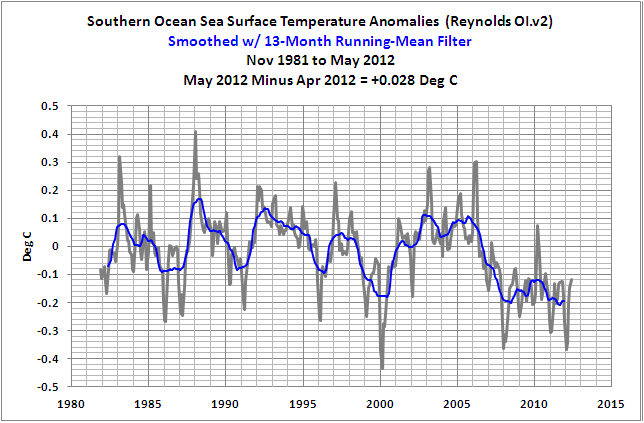
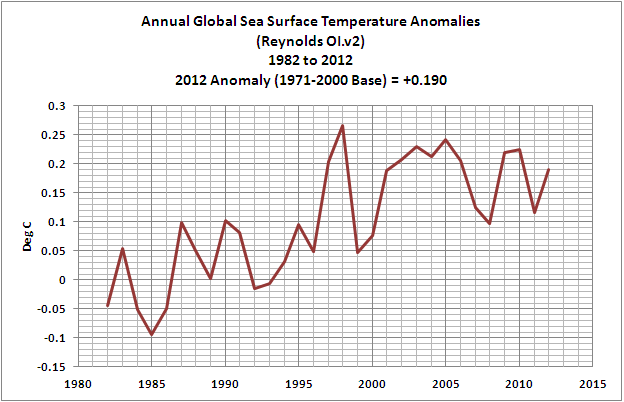
From the latter article: "Warmer-than-usual sea-surface temperatures, especially in the central tropics, lead to changes in atmospheric circulation that influence conditions near the Antarctic coastline. Namely, a higher-than-normal sea-level pressure north of the Amundsen Sea sets up westerly winds that push surface water away from the glaciers and allow warmer deep water to rise to the surface under the edges of the glaciers, Steig said in a statement."
From the former: "Using NASA's ICESat satellite, the researchers closely monitored how the thickness of West and East Antarctica's ice changed over time. In some cases, Pritchard said, shelves thinned by as much as several meters each year. And the pattern of that melting, he added, suggested that at least 20 out of 54 observed platforms of ice across the continent were being melted largely by the oceans below, much like a warm drink consuming ice cubes."