Note: It says "Presumed ice edge." That's another way of saying they don't really know where the iced edge was.
Yep, it's an educated guess, based on incomplete data.
And it's a whole lot better than anything your side has offered. If you've got better data, show it to us. If you don't, then what are you whining about? This all came about become someone said he had proof of low ice levels long ago. Fine, show us that proof. It will just need to be more impressive than the data I've offered. And considering that I've seen it before, and it's a couple newspaper clippings, that's not going to happen.
Well, the data from the satellites in the 1800's was stored on cylindrical wax records, and they weren't suited for long-term data storage. Plus, physical limitations forced very low data density rates. For instance, here is a collection of records containing a primitive MP3 of a young woman saying, "Norbert, I do believe I've dropped my parasol out of the carriage!"
Here's Thomas Edison with the first production data cylinder drive:
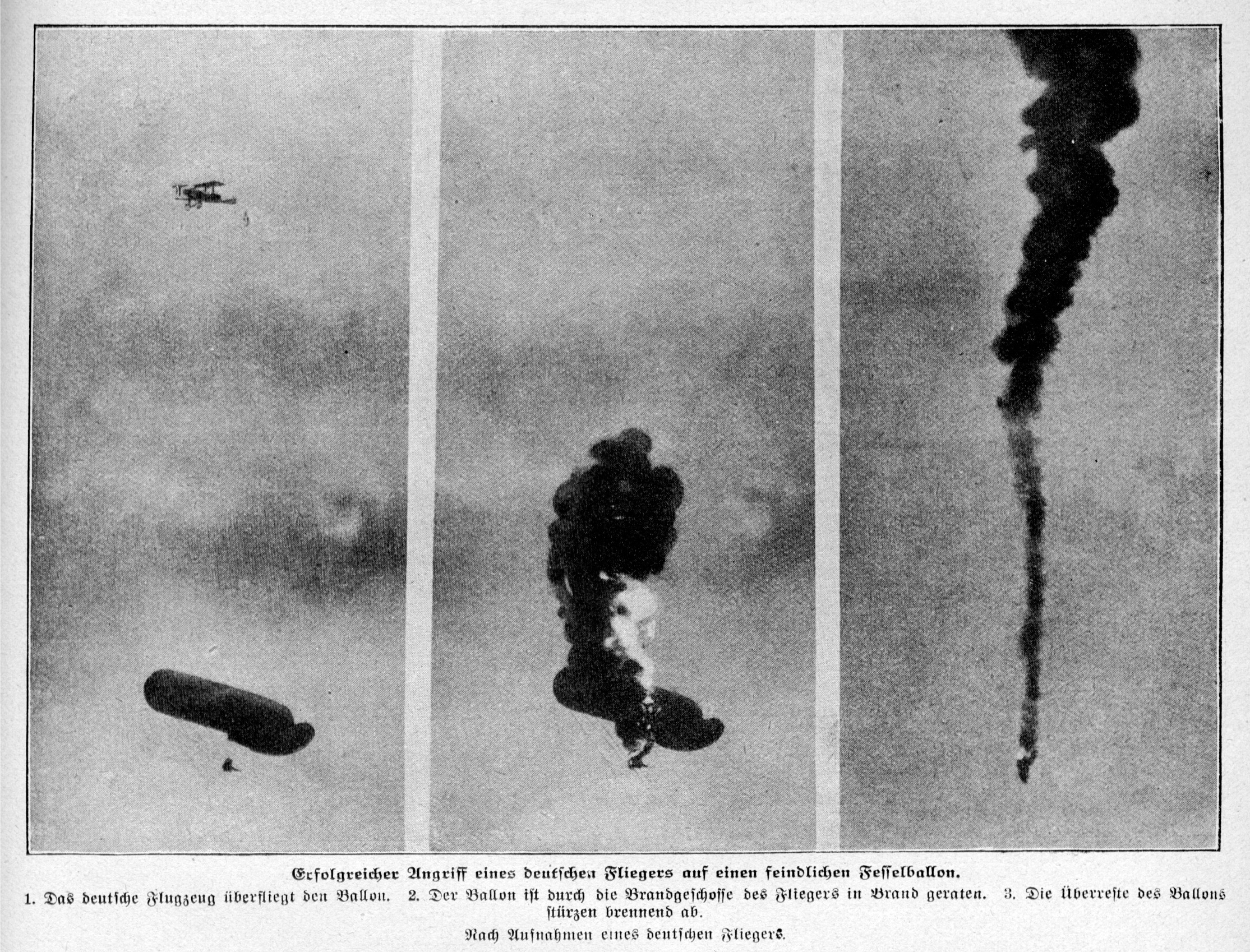
Also, satellite data reception technology was still in its infancy. Wire antennae were carried aloft by balloons. Unfortunately, solar flares would generate sufficient current in the antenna to ignite the hydrogen envelope:
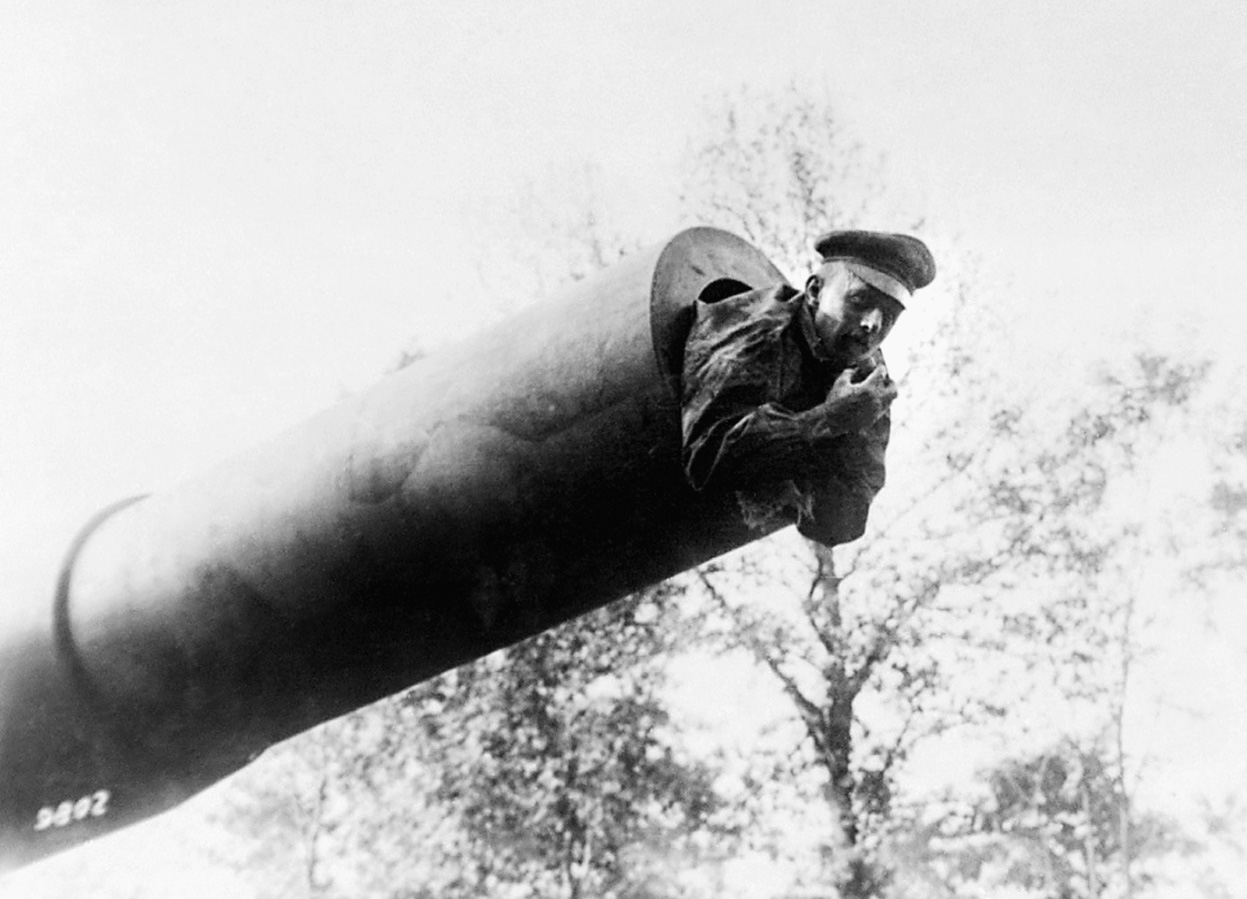
Finally, satellite launch technology was also very primitive. The first launchers were surplus cannon:
Ironically, the coal-fired steam locomotives required to move these launchers into position contributed to global warming. Oh, the hubris of man!
Orbital mechanics being only partially understood, some satellites failed to achieve orbit. One launch, however, reached escape velocity and impacted on the moon:
Sadly, an ambitious yet ill-advised manned mission to recover the satellite did not meet with success. RIP, Bob.
Given the technological limitations, it's no surprise the satellite data record from the 1800s is spotty at best.