Dems try blaming Trump for Texas flood death toll
—
but weather-alert timeline and even experts critical of prez debunk claims
“In this particular case, we have seen absolutely nothing to suggest that current staffing or budget issues within NOAA and the NWS played any role at all in this event,” Houston-based …

nypost.com
7 Jul 2025 ~~ By Chris Nesi
The finger-pointing has already begun after the Texas floods, with some Dems blaming Trump budget cuts aimed at the National Weather Service for
the catastrophic death toll — yet even experts who are administration critics saying they weren’t a factor.
Foes of President Trump are claiming budget cuts by the White House hampered the federal weather agency’s ability to issue life-saving warnings in time.
But reviews by experts, the NWS’ own timeline of the steadily escalating warnings the federal agency issued before the flooding disaster hit — and the fact that the budget cuts aren’t supposed to take effect until Oct. 1 — have debunked the assertion.
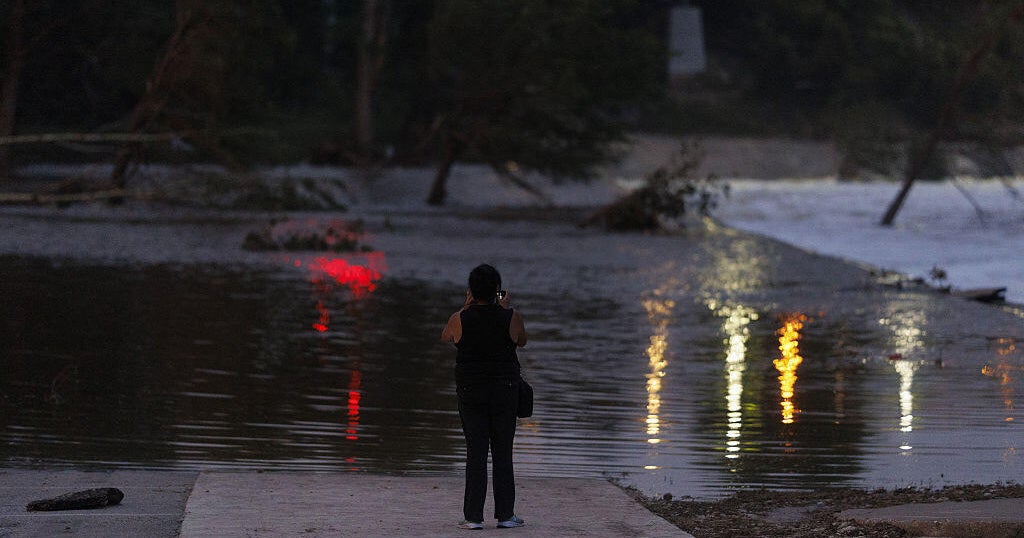
More than 100 people have been officially confirmed to have died in the flash flooding in Texas Hill Country, which saw the Guadalupe River rise more than 26 feet in just 45 minutes after a freak summer rainstorm.
~Snip~
enate Minority Leader Chuck Schumer (D-NY) echoed his colleague’s sentiment, demanding an investigation into whether “staffing shortages” at the agency resulted in a higher death toll in a letter to Acting Inspector General Roderick Anderson.
The White House shot back that any such claims that agency cuts initiated by the Department of Government Efficiency — which aren’t slated to take effect until Oct. 1, were “disgusting.”
On the morning of July 3, NWS Austin/San Antonio held briefings with emergency management officials during which discussions were had about imminent flash flooding risks. That same morning, the National Water Center issued a Flood Hazard Outlook, flagging Kerrville and surrounding areas as potentially under threat for flash flooding.
The first flood watch was issued by NWS Austin/San Antonio at 1:18 p.m. CT on Thursday, July 3, to remain in effect in Kerr County through Friday morning.
~Snip~
CBS Austin Meteorologist Avery Tomasco
wrote on X, “All I’ll say is this.
“The National Weather Service issued a flood watch for Kerr County more than 12 hours ahead of the catastrophic flood. A flash flood warning was issued for Hunt & Ingram 3 HOURS before the Guadalupe started to climb. They did their job and they did it well.”
As for claims running rampant online that staffing cuts impacted NWS’ ability to put out timely warnings, Tom Fahy, legislative director for the National Weather Service, told NBC News that wasn’t the case.
“The WFOs [weather forecasting offices] had adequate staffing and resources as they issued timely forecasts and warnings leading up to the storm,” he said.
Commentary:
The fact that kids were still missing and the dead unburied as DSA Marxist Democrats hurried to cast blame is what disturbed me most. Many X posts saying Texas and her voters deserved it. They are less than scum.
Schumer and his fellow travelers purposely disregard facts, focusing instead on attacking Trump and trying to make him look bad regardless of the truth. The Democrats depend on emotions, fear mongering and lies rather than facts, which are seldom in their favor.
Natural catastrophes especially flashfloods happen without warning... That’s why they're called ‘flashfloods’... If you knew about it before hand... It would be called is a ‘flood’. Period!
The following the A.I. response to the History of flash flooding of the Guadalupe River.
The Guadalupe River in Texas has a long history of devastating flash floods, particularly in the Texas Hill Country, often referred to as "Flash Flood Alley." Major flooding events have occurred nearly every decade, with notable tragedies including the 1987 flood that killed 10 campers and the recent floods in July 2025 that resulted in numerous fatalities and extensive damage.
Overview of Flash Flooding in the Guadalupe River
The Guadalupe River in Texas has a long history of devastating flash floods, particularly in the Texas Hill Country, an area often referred to as "Flash Flood Alley." This region is known for its steep terrain, shallow soil, and high rainfall, making it highly susceptible to rapid flooding events.
Major Flood Events
Notable Floods
| | |
July 1978 | Tropical Storm Amelia caused severe flooding, resulting in 33 deaths across several counties. | 33 |
July 1987 | A flash flood during a youth camp evacuation led to 10 fatalities when a wall of water surged. | 10 |
July 2002 | Kerrville recorded 19 inches of rain, leading to significant flooding and widespread damage. | Unknown |
July 4, 2025 | Recent flooding resulted in at least 13 deaths, highlighting the ongoing risk in the region. | 13 |
Contributing Factors
Geography: The region's rocky topography and floodplain between hills funnel rainwater into rivers quickly.
Soil Type: Clay-rich soil does not absorb water well, leading to high runoff during intense rainfall.
Weather Patterns: The convergence of moist air from the Gulf and Pacific Oceans often results in extreme rainfall.
Historical Context
The Guadalupe River has experienced major floods nearly every decade for the past century. River streamflow records indicate that significant flooding events have been common, with the region leading the nation in flood-related fatalities. The combination of natural geography and weather patterns continues to pose a serious risk to communities along the river.

www.cbsnews.com


