
Much can be learned from both.Disagree. Much can be learned from science.Much can be learned from seeking God.No, logic and reason say we know NOTHING about any “god”.No. Logic and reason say it is the other way around.
Seeking a man-made “God” concept without a consistent definition and without evidence for it is an exercise in futility.
Navigation
Install the app
How to install the app on iOS
Follow along with the video below to see how to install our site as a web app on your home screen.
Note: This feature may not be available in some browsers.
More options
Style variation
You are using an out of date browser. It may not display this or other websites correctly.
You should upgrade or use an alternative browser.
You should upgrade or use an alternative browser.
Do logic and reason say that God is our servant?
- Thread starter GreatestIam
- Start date

Fort Fun Indiana
Diamond Member
- Mar 10, 2017
- 120,104
- 124,018
- 3,645
False.Much can be learned from both.Disagree. Much can be learned from science.Much can be learned from seeking God.No, logic and reason say we know NOTHING about any “god”.No. Logic and reason say it is the other way around.
Seeking a man-made “God” concept without a consistent definition and without evidence for it is an exercise in futility.
which is why you know less than me.False.Much can be learned from both.Disagree. Much can be learned from science.Much can be learned from seeking God.No, logic and reason say we know NOTHING about any “god”.No. Logic and reason say it is the other way around.
Seeking a man-made “God” concept without a consistent definition and without evidence for it is an exercise in futility.

GreatestIam
VIP Member
- Jan 12, 2012
- 6,225
- 428
- 85
- Thread starter
- #64
Gnostics believe in two Gods. The God of the OT and the God of the NT.Go troll someone with your low I.Q.
Regards
DL
You don’t believe in any Gods. You are an atheist.
Your are a liar. I will stick to not being a liar.
Regards
DL
Gnostic Christianity
Gnosticism goes back centuries before the Christian era, possibly as early as the fifth Century, B.C. A belief system developed in ancient Syria and Persia that held salvation of the soul could be achieved by attaining a deep, mystic, and divine knowledge. According to their beliefs, humans are divided into a three-tiered hierarchy. Those possessing this knowledge, or gnosis, were a superior form of human being whose present and future destiny were not intertwined with those humans, that, for whatever reason, did not "know." Those humans too influenced by matter were doomed, and somewhere in between were those who did not yet possess the gnosis, but could yet be saved.
Rather than believe in the good of creation, Gnostics regarded matter and, in fact, the whole universe, to be a defilement of the deity -- the god of light/spirit. They taught that the ultimate end would be to overcome matter and be reunited with the parent spirit and realm of light/energy. This would not be achieved by submission to God's laws or through grace (God's forgiveness of man's sins) by acceptance of the living Christ -- the Son of God and Redeemer. Redemption or salvation would occur by awakening the sleeping gnosis (knowledge/wisdom) or "God within" -- through deep thoughts, reflection, and meditation thereby freeing the good spirit imprisoned within the evil physical body.
Gnosticism spread to Egypt during the 2nd and 3rd centuries, A.D. They presented a major challenge to orthodox Christianity. Can we say Gnostic Christianity is claimed within the pages of the Bible? Most Gnostic sects professed Christianity, but their belief sharply diverged from those of the majority of Christians in the early church.
Gnostics also believed that mankind was wholly evil and some sects even renounced marriage and procreation. They also believed in two gods, one evil god and one good god. Their teachings are believed to have influenced Saint Augustine in the development of his theology of "total depravity" of mankind and concept of God. For nine years St. Augustine adhered to Manichaeism, a Persian philosophy proclaimed in southern Babylonia (Iraq) that taught a doctrine of "total depravity" and the claim that they were the "elect." He then turned to skepticism.
You have passed on the lies that the inquisitors used to justify their many murders.
Good for you.
Best to ask a Gnostic and not just lie about his beliefs.
Then again, you have been lying for so long that I doubt you care.
Start with knowing that in Gnostic Christianity, there are no supernatural beliefs.
We are not as stupid as Christians and do not read our myths literally.
Not that you can be educated, you are too stupid for that, but lurkers may want to educate themselves of the better ancient ways as compared to our garbage thinking today. So the rest is for them and not you.
------------
I hope you can see how intelligent the ancients were as compared to the mental trash that modern preachers and theists are using with the literal reading of myths.
What is God?
Further.
Bill Moyers Journal . Watch & Listen | PBS
Rabbi Hillel, the older contemporary of Jesus, said that when asked to sum up the whole of Jewish teaching, while he stood on one leg, said, "The Golden Rule. That which is hateful to you, do not do to your neighbor. That is the Torah. And everything else is only commentary. Now, go and study it."
Please listen as to what is said about the literal reading of myths.
"Origen, the great second or third century Greek commentator on the Bible said that it is absolutely impossible to take these texts literally. You simply cannot do so. And he said, "God has put these sort of conundrums and paradoxes in so that we are forced to seek a deeper meaning."
Matt 7;12 So in everything, do to others what you would have them do to you, for this sums up the Law and the Prophets.
This is how early Gnostic Christians view the transition from reading myths properly to destructive literal reading and idol worship.
Regards
DL
You might want to actually quote a Gnostic, dipshit.
The Gnostic World View: A Brief Summary of Gnosticism
Only a fool would think that an evolving ideology and religion like Gnostic Christianity can be exactly explained by a 2,000 year old set of standards.
Sure, you can make some general inferences but that is about all.
Try reading a book instead little bits here and there.
I have given you our modern view of matter, for instance, that you basically ignored and that style of your is why I ignore your pathetic posts.
Get a life as you are no good to anyone here.
Regards
DL
Gnostics believe in two Gods. The God of the OT and the God of the NT.
You don’t believe in any Gods. You are an atheist.
Your are a liar. I will stick to not being a liar.
Regards
DL
Gnostic Christianity
Gnosticism goes back centuries before the Christian era, possibly as early as the fifth Century, B.C. A belief system developed in ancient Syria and Persia that held salvation of the soul could be achieved by attaining a deep, mystic, and divine knowledge. According to their beliefs, humans are divided into a three-tiered hierarchy. Those possessing this knowledge, or gnosis, were a superior form of human being whose present and future destiny were not intertwined with those humans, that, for whatever reason, did not "know." Those humans too influenced by matter were doomed, and somewhere in between were those who did not yet possess the gnosis, but could yet be saved.
Rather than believe in the good of creation, Gnostics regarded matter and, in fact, the whole universe, to be a defilement of the deity -- the god of light/spirit. They taught that the ultimate end would be to overcome matter and be reunited with the parent spirit and realm of light/energy. This would not be achieved by submission to God's laws or through grace (God's forgiveness of man's sins) by acceptance of the living Christ -- the Son of God and Redeemer. Redemption or salvation would occur by awakening the sleeping gnosis (knowledge/wisdom) or "God within" -- through deep thoughts, reflection, and meditation thereby freeing the good spirit imprisoned within the evil physical body.
Gnosticism spread to Egypt during the 2nd and 3rd centuries, A.D. They presented a major challenge to orthodox Christianity. Can we say Gnostic Christianity is claimed within the pages of the Bible? Most Gnostic sects professed Christianity, but their belief sharply diverged from those of the majority of Christians in the early church.
Gnostics also believed that mankind was wholly evil and some sects even renounced marriage and procreation. They also believed in two gods, one evil god and one good god. Their teachings are believed to have influenced Saint Augustine in the development of his theology of "total depravity" of mankind and concept of God. For nine years St. Augustine adhered to Manichaeism, a Persian philosophy proclaimed in southern Babylonia (Iraq) that taught a doctrine of "total depravity" and the claim that they were the "elect." He then turned to skepticism.
You have passed on the lies that the inquisitors used to justify their many murders.
Good for you.
Best to ask a Gnostic and not just lie about his beliefs.
Then again, you have been lying for so long that I doubt you care.
Start with knowing that in Gnostic Christianity, there are no supernatural beliefs.
We are not as stupid as Christians and do not read our myths literally.
Not that you can be educated, you are too stupid for that, but lurkers may want to educate themselves of the better ancient ways as compared to our garbage thinking today. So the rest is for them and not you.
------------
I hope you can see how intelligent the ancients were as compared to the mental trash that modern preachers and theists are using with the literal reading of myths.
What is God?
Further.
Bill Moyers Journal . Watch & Listen | PBS
Rabbi Hillel, the older contemporary of Jesus, said that when asked to sum up the whole of Jewish teaching, while he stood on one leg, said, "The Golden Rule. That which is hateful to you, do not do to your neighbor. That is the Torah. And everything else is only commentary. Now, go and study it."
Please listen as to what is said about the literal reading of myths.
"Origen, the great second or third century Greek commentator on the Bible said that it is absolutely impossible to take these texts literally. You simply cannot do so. And he said, "God has put these sort of conundrums and paradoxes in so that we are forced to seek a deeper meaning."
Matt 7;12 So in everything, do to others what you would have them do to you, for this sums up the Law and the Prophets.
This is how early Gnostic Christians view the transition from reading myths properly to destructive literal reading and idol worship.
Regards
DL
You might want to actually quote a Gnostic, dipshit.
The Gnostic World View: A Brief Summary of Gnosticism
Only a fool would think that an evolving ideology and religion like Gnostic Christianity can be exactly explained by a 2,000 year old set of standards.
Sure, you can make some general inferences but that is about all.
Try reading a book instead little bits here and there.
I have given you our modern view of matter, for instance, that you basically ignored and that style of your is why I ignore your pathetic posts.
Get a life as you are no good to anyone here.
Regards
DL
Prove it. Link to a site which explains these modern values and beliefs.
GreatestIam
VIP Member
- Jan 12, 2012
- 6,225
- 428
- 85
- Thread starter
- #66
Gnostics were pretty reprehensible.
Like inquisitionists and the religion that used them?
Again you show why you are such a useless appendage here.
Regards
DL
GreatestIam
VIP Member
- Jan 12, 2012
- 6,225
- 428
- 85
- Thread starter
- #67
Your are a liar. I will stick to not being a liar.
Regards
DL
Gnostic Christianity
Gnosticism goes back centuries before the Christian era, possibly as early as the fifth Century, B.C. A belief system developed in ancient Syria and Persia that held salvation of the soul could be achieved by attaining a deep, mystic, and divine knowledge. According to their beliefs, humans are divided into a three-tiered hierarchy. Those possessing this knowledge, or gnosis, were a superior form of human being whose present and future destiny were not intertwined with those humans, that, for whatever reason, did not "know." Those humans too influenced by matter were doomed, and somewhere in between were those who did not yet possess the gnosis, but could yet be saved.
Rather than believe in the good of creation, Gnostics regarded matter and, in fact, the whole universe, to be a defilement of the deity -- the god of light/spirit. They taught that the ultimate end would be to overcome matter and be reunited with the parent spirit and realm of light/energy. This would not be achieved by submission to God's laws or through grace (God's forgiveness of man's sins) by acceptance of the living Christ -- the Son of God and Redeemer. Redemption or salvation would occur by awakening the sleeping gnosis (knowledge/wisdom) or "God within" -- through deep thoughts, reflection, and meditation thereby freeing the good spirit imprisoned within the evil physical body.
Gnosticism spread to Egypt during the 2nd and 3rd centuries, A.D. They presented a major challenge to orthodox Christianity. Can we say Gnostic Christianity is claimed within the pages of the Bible? Most Gnostic sects professed Christianity, but their belief sharply diverged from those of the majority of Christians in the early church.
Gnostics also believed that mankind was wholly evil and some sects even renounced marriage and procreation. They also believed in two gods, one evil god and one good god. Their teachings are believed to have influenced Saint Augustine in the development of his theology of "total depravity" of mankind and concept of God. For nine years St. Augustine adhered to Manichaeism, a Persian philosophy proclaimed in southern Babylonia (Iraq) that taught a doctrine of "total depravity" and the claim that they were the "elect." He then turned to skepticism.
You have passed on the lies that the inquisitors used to justify their many murders.
Good for you.
Best to ask a Gnostic and not just lie about his beliefs.
Then again, you have been lying for so long that I doubt you care.
Start with knowing that in Gnostic Christianity, there are no supernatural beliefs.
We are not as stupid as Christians and do not read our myths literally.
Not that you can be educated, you are too stupid for that, but lurkers may want to educate themselves of the better ancient ways as compared to our garbage thinking today. So the rest is for them and not you.
------------
I hope you can see how intelligent the ancients were as compared to the mental trash that modern preachers and theists are using with the literal reading of myths.
What is God?
Further.
Bill Moyers Journal . Watch & Listen | PBS
Rabbi Hillel, the older contemporary of Jesus, said that when asked to sum up the whole of Jewish teaching, while he stood on one leg, said, "The Golden Rule. That which is hateful to you, do not do to your neighbor. That is the Torah. And everything else is only commentary. Now, go and study it."
Please listen as to what is said about the literal reading of myths.
"Origen, the great second or third century Greek commentator on the Bible said that it is absolutely impossible to take these texts literally. You simply cannot do so. And he said, "God has put these sort of conundrums and paradoxes in so that we are forced to seek a deeper meaning."
Matt 7;12 So in everything, do to others what you would have them do to you, for this sums up the Law and the Prophets.
This is how early Gnostic Christians view the transition from reading myths properly to destructive literal reading and idol worship.
Regards
DL
You might want to actually quote a Gnostic, dipshit.
The Gnostic World View: A Brief Summary of Gnosticism
Only a fool would think that an evolving ideology and religion like Gnostic Christianity can be exactly explained by a 2,000 year old set of standards.
Sure, you can make some general inferences but that is about all.
Try reading a book instead little bits here and there.
I have given you our modern view of matter, for instance, that you basically ignored and that style of your is why I ignore your pathetic posts.
Get a life as you are no good to anyone here.
Regards
DL
Prove it. Link to a site which explains these modern values and beliefs.
Bite me you pathetic piece of human garbage.
Regards
DL
Gnostic Christianity
Gnosticism goes back centuries before the Christian era, possibly as early as the fifth Century, B.C. A belief system developed in ancient Syria and Persia that held salvation of the soul could be achieved by attaining a deep, mystic, and divine knowledge. According to their beliefs, humans are divided into a three-tiered hierarchy. Those possessing this knowledge, or gnosis, were a superior form of human being whose present and future destiny were not intertwined with those humans, that, for whatever reason, did not "know." Those humans too influenced by matter were doomed, and somewhere in between were those who did not yet possess the gnosis, but could yet be saved.
Rather than believe in the good of creation, Gnostics regarded matter and, in fact, the whole universe, to be a defilement of the deity -- the god of light/spirit. They taught that the ultimate end would be to overcome matter and be reunited with the parent spirit and realm of light/energy. This would not be achieved by submission to God's laws or through grace (God's forgiveness of man's sins) by acceptance of the living Christ -- the Son of God and Redeemer. Redemption or salvation would occur by awakening the sleeping gnosis (knowledge/wisdom) or "God within" -- through deep thoughts, reflection, and meditation thereby freeing the good spirit imprisoned within the evil physical body.
Gnosticism spread to Egypt during the 2nd and 3rd centuries, A.D. They presented a major challenge to orthodox Christianity. Can we say Gnostic Christianity is claimed within the pages of the Bible? Most Gnostic sects professed Christianity, but their belief sharply diverged from those of the majority of Christians in the early church.
Gnostics also believed that mankind was wholly evil and some sects even renounced marriage and procreation. They also believed in two gods, one evil god and one good god. Their teachings are believed to have influenced Saint Augustine in the development of his theology of "total depravity" of mankind and concept of God. For nine years St. Augustine adhered to Manichaeism, a Persian philosophy proclaimed in southern Babylonia (Iraq) that taught a doctrine of "total depravity" and the claim that they were the "elect." He then turned to skepticism.
You have passed on the lies that the inquisitors used to justify their many murders.
Good for you.
Best to ask a Gnostic and not just lie about his beliefs.
Then again, you have been lying for so long that I doubt you care.
Start with knowing that in Gnostic Christianity, there are no supernatural beliefs.
We are not as stupid as Christians and do not read our myths literally.
Not that you can be educated, you are too stupid for that, but lurkers may want to educate themselves of the better ancient ways as compared to our garbage thinking today. So the rest is for them and not you.
------------
I hope you can see how intelligent the ancients were as compared to the mental trash that modern preachers and theists are using with the literal reading of myths.
What is God?
Further.
Bill Moyers Journal . Watch & Listen | PBS
Rabbi Hillel, the older contemporary of Jesus, said that when asked to sum up the whole of Jewish teaching, while he stood on one leg, said, "The Golden Rule. That which is hateful to you, do not do to your neighbor. That is the Torah. And everything else is only commentary. Now, go and study it."
Please listen as to what is said about the literal reading of myths.
"Origen, the great second or third century Greek commentator on the Bible said that it is absolutely impossible to take these texts literally. You simply cannot do so. And he said, "God has put these sort of conundrums and paradoxes in so that we are forced to seek a deeper meaning."
Matt 7;12 So in everything, do to others what you would have them do to you, for this sums up the Law and the Prophets.
This is how early Gnostic Christians view the transition from reading myths properly to destructive literal reading and idol worship.
Regards
DL
You might want to actually quote a Gnostic, dipshit.
The Gnostic World View: A Brief Summary of Gnosticism
Only a fool would think that an evolving ideology and religion like Gnostic Christianity can be exactly explained by a 2,000 year old set of standards.
Sure, you can make some general inferences but that is about all.
Try reading a book instead little bits here and there.
I have given you our modern view of matter, for instance, that you basically ignored and that style of your is why I ignore your pathetic posts.
Get a life as you are no good to anyone here.
Regards
DL
Prove it. Link to a site which explains these modern values and beliefs.
Bite me you pathetic piece of human garbage.
Regards
DL
I knew you couldn’t.
No. Like the religion that put them down.Gnostics were pretty reprehensible.
Like inquisitionists and the religion that used them?
Again you show why you are such a useless appendage here.
Regards
DL
GreatestIam
VIP Member
- Jan 12, 2012
- 6,225
- 428
- 85
- Thread starter
- #70
You have passed on the lies that the inquisitors used to justify their many murders.
Good for you.
Best to ask a Gnostic and not just lie about his beliefs.
Then again, you have been lying for so long that I doubt you care.
Start with knowing that in Gnostic Christianity, there are no supernatural beliefs.
We are not as stupid as Christians and do not read our myths literally.
Not that you can be educated, you are too stupid for that, but lurkers may want to educate themselves of the better ancient ways as compared to our garbage thinking today. So the rest is for them and not you.
------------
I hope you can see how intelligent the ancients were as compared to the mental trash that modern preachers and theists are using with the literal reading of myths.
What is God?
Further.
Bill Moyers Journal . Watch & Listen | PBS
Rabbi Hillel, the older contemporary of Jesus, said that when asked to sum up the whole of Jewish teaching, while he stood on one leg, said, "The Golden Rule. That which is hateful to you, do not do to your neighbor. That is the Torah. And everything else is only commentary. Now, go and study it."
Please listen as to what is said about the literal reading of myths.
"Origen, the great second or third century Greek commentator on the Bible said that it is absolutely impossible to take these texts literally. You simply cannot do so. And he said, "God has put these sort of conundrums and paradoxes in so that we are forced to seek a deeper meaning."
Matt 7;12 So in everything, do to others what you would have them do to you, for this sums up the Law and the Prophets.
This is how early Gnostic Christians view the transition from reading myths properly to destructive literal reading and idol worship.
Regards
DL
You might want to actually quote a Gnostic, dipshit.
The Gnostic World View: A Brief Summary of Gnosticism
Only a fool would think that an evolving ideology and religion like Gnostic Christianity can be exactly explained by a 2,000 year old set of standards.
Sure, you can make some general inferences but that is about all.
Try reading a book instead little bits here and there.
I have given you our modern view of matter, for instance, that you basically ignored and that style of your is why I ignore your pathetic posts.
Get a life as you are no good to anyone here.
Regards
DL
Prove it. Link to a site which explains these modern values and beliefs.
Bite me you pathetic piece of human garbage.
Regards
DL
I knew you couldn’t.
Find a kiddy site where those with your I.Q. hang out.
Regards
DL
The Gnostic World View: A Brief Summary of Gnosticism from Gnosis.org. A real Gnostic organization.I knew you couldn’t.Prove it. Link to a site which explains these modern values and beliefs.You might want to actually quote a Gnostic, dipshit.
The Gnostic World View: A Brief Summary of Gnosticism
Only a fool would think that an evolving ideology and religion like Gnostic Christianity can be exactly explained by a 2,000 year old set of standards.
Sure, you can make some general inferences but that is about all.
Try reading a book instead little bits here and there.
I have given you our modern view of matter, for instance, that you basically ignored and that style of your is why I ignore your pathetic posts.
Get a life as you are no good to anyone here.
Regards
DL
Bite me you pathetic piece of human garbage.
Regards
DL
Find a kiddy site where those with your I.Q. hang out.
Regards
DL
The Gnostic World View: A Brief Summary of Gnosticism

Carl in Michigan
Diamond Member
- Aug 15, 2016
- 64,675
- 49,526
- 3,615
He will. But not on YOUR schedule.if such a God wanted to be relevant to man, he would show up.

Yes, that is a good description of your belief in gods and magical creation by gods..."it just magically happened."Unless it's the Big Bang then it just magically happened.
No. However I will concede that somewhere around fifteen billion years ago a miracle possibly occurred.
*****CHUCKLE*****

No, logic and reason say we know NOTHING about any “god”.No. Logic and reason say it is the other way around.
Actually if I were to pick another name for God it would be Crom.
*****CHUCKLE*****

No, logic and reason say we know NOTHING about any “god”.No. Logic and reason say it is the other way around.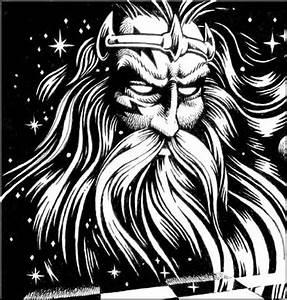
Actually if I were to pick another name for God it would be Crom.
*****CHUCKLE*****
There in lies their problem. They can’t conceive of a realistic perception of God.
Do logic and reason say that God is our servant?
Logic and reason are not attributes necessary (or even appropriate), with regard to belief in one or more of the gods.
Logic and reason are best suited to examination of the rational, natural world where the gods devolve quickly to cultural fears and superstitions.
Logic and reason are not attributes necessary (or even appropriate), with regard to belief in one or more of the gods.
Logic and reason are best suited to examination of the rational, natural world where the gods devolve quickly to cultural fears and superstitions.
He will. But not on YOUR schedule.if such a God wanted to be relevant to man, he would show up.
As none of the gods invented by man have ever made an effort to “show up”, I wouldn't suggest your particular gods are any more likely to grab an Uber and make an appearance.
Carl in Michigan
Diamond Member
- Aug 15, 2016
- 64,675
- 49,526
- 3,615
"The Lord delays his coming"He will. But not on YOUR schedule.if such a God wanted to be relevant to man, he would show up.
As none of the gods invented by man have ever made an effort to “show up”, I wouldn't suggest your particular gods are any more likely to grab an Uber and make an appearance.
Blessed is that servant, whom his lord when he cometh shall find so doing.
47 Verily I say unto you, That he shall make him ruler over all his goods.
48 But and if that evil servant shall say in his heart, My lord delayeth his coming;
49 And shall begin to smite his fellowservants, and to eat and drink with the drunken;
50 The lord of that servant shall come in a day when he looketh not for him, and in an hour that he is not aware of,
51 And shall cut him asunder, and appoint him his portion with the hypocrites: there shall be weeping and gnashing of teeth
No, logic and reason say we know NOTHING about any “god”.No. Logic and reason say it is the other way around.
Actually if I were to pick another name for God it would be Crom.
*****CHUCKLE*****
There in lies their problem. They can’t conceive of a realistic perception of God.
I find it more likely that they simply wish to have blind faith in their on divisive ideology without considering the evidence before them.
*****SMILE*****
Similar threads
- Replies
- 24
- Views
- 431

- Replies
- 24
- Views
- 370


- Poll
- Replies
- 7
- Views
- 250


- Replies
- 65
- Views
- 951


- Replies
- 44
- Views
- 858

New Topics
-
 Joe Rogan has a great "demo" of what Tyler Robinson is supposed to have done....
- Started by EMH
- Replies: 1
-

-
 Virginia Republican flips Democrat-held seat for first time in nearly 4 decades
- Started by 1srelluc
- Replies: 14
-
 So leftists argued Trump was wrong about imminent danger. How about West Coast?
- Started by Pastelli
- Replies: 4


