Breaking: Woman shot while trying to kill ICE agents in Minnesota

.

It doesn't know. It will never know. It doesn't care, as long as it gets SJW brownie points for blathering about it.

.
Oh I know exactly why he's asking: he's made all Republicans and/or Trump supporters guilty of the shooting when it only involved one person. It's a fallacy that has a name: Guilt by Association.
 
The police could claim they feared for people's lives in any or every chase with what you are saying here.
NO there is always context and legal precedent. She was obstructing justice resisting arrest and escaped in a 4000 pound car striking an agent. Deadly force is allowed and supported by case law. All she had to do was nothing. Instead this political vigilante ended her life in an act of stupidity and became cannon fodder for the democrat party
 
every time you make an excuse for good and it gets shoot down you create rom whole cloth a new excuse, The facts are simple, she hit the officer with her car making it perfectly legal for him to fire on her both on federal issues and state issues. The law is clear on this.
Listen up Sgt, you are wrong.

A/I Gemini

No. Contact is only considered deadly force if it is likely to cause death or serious bodily injury.
Key Distinctions
  • Manner of Use: Legal standards focus on how the vehicle is used. A low-speed "tap" or nudge generally lacks the lethal intent or capacity required for a deadly force classification.
  • Assault with a Deadly Weapon: While a car can be a deadly weapon, a low-speed contact is often charged as Battery on a Law Enforcement Officer or Reckless Driving rather than an "aggravated" felony, unless the driver’s actions specifically threatened the officer's life.
  • Reasonable Belief: For an officer to respond with deadly force (like firing a weapon), they must have a reasonable belief of an imminent threat of death or great bodily harm. Courts generally rule that a slow-moving vehicle does not automatically justify such a response.
Note: Many police departments classify intentional "ramming" as deadly force, but distinguish it from "pinching" or "low-speed immobilization" used to box in a suspect.
 
Listen up Sgt, you are wrong.

A/I Gemini

No. Contact is only considered deadly force if it is likely to cause death or serious bodily injury.
Key Distinctions
  • Manner of Use: Legal standards focus on how the vehicle is used. A low-speed "tap" or nudge generally lacks the lethal intent or capacity required for a deadly force classification.
  • Assault with a Deadly Weapon: While a car can be a deadly weapon, a low-speed contact is often charged as Battery on a Law Enforcement Officer or Reckless Driving rather than an "aggravated" felony, unless the driver’s actions specifically threatened the officer's life.
  • Reasonable Belief: For an officer to respond with deadly force (like firing a weapon), they must have a reasonable belief of an imminent threat of death or great bodily harm. Courts generally rule that a slow-moving vehicle does not automatically justify such a response.
wrong the law in that state is that if a car is headed toward an officer, it does not even haveto hit him and the officer can employ deadly force. SIGNED by the current Governor. Federal law is the same, if the officer feels his life or another's in jeopardy he may fire.
 
Listen up Sgt, you are wrong.

A/I Gemini

No. Contact is only considered deadly force if it is likely to cause death or serious bodily injury.
Key Distinctions
  • Manner of Use: Legal standards focus on how the vehicle is used. A low-speed "tap" or nudge generally lacks the lethal intent or capacity required for a deadly force classification.
  • Assault with a Deadly Weapon: While a car can be a deadly weapon, a low-speed contact is often charged as Battery on a Law Enforcement Officer or Reckless Driving rather than an "aggravated" felony, unless the driver’s actions specifically threatened the officer's life.
  • Reasonable Belief: For an officer to respond with deadly force (like firing a weapon), they must have a reasonable belief of an imminent threat of death or great bodily harm. Courts generally rule that a slow-moving vehicle does not automatically justify such a response.

And to which your opinion has no bearing.

You weren't there looking at what the agent was looking at from his point of view.
Your life was not, and will not be in jeopardy, so there are in fact no consequences for your foolish opinion.
His response to what he perceived is not and will never be up for you to decide.

If it's up to how the courts rule, that means the court, and that's not you and will never be you.
 
Listen up Sgt, you are wrong.

A/I Gemini

No. Contact is only considered deadly force if it is likely to cause death or serious bodily injury.
Key Distinctions
  • Manner of Use: Legal standards focus on how the vehicle is used. A low-speed "tap" or nudge generally lacks the lethal intent or capacity required for a deadly force classification.
  • Assault with a Deadly Weapon: While a car can be a deadly weapon, a low-speed contact is often charged as Battery on a Law Enforcement Officer or Reckless Driving rather than an "aggravated" felony, unless the driver’s actions specifically threatened the officer's life.
  • Reasonable Belief: For an officer to respond with deadly force (like firing a weapon), they must have a reasonable belief of an imminent threat of death or great bodily harm. Courts generally rule that a slow-moving vehicle does not automatically justify such a response.
.

AI = GIGO.


.
 
wrong the law in that state is that if a car is headed toward an officer, it does not even haveto hit him and the officer can employ deadly force. SIGNED by the current Governor. Federal law is the same, if the officer feels his life or another's in jeopardy he may fire.
You left out the speed and manner it's being driven in being a determinant of whether it's a dangerous weapon.
Otherwise a police officer jaywalking across a busy street, could gun down people like Trump in the middle of 5th ave.
 
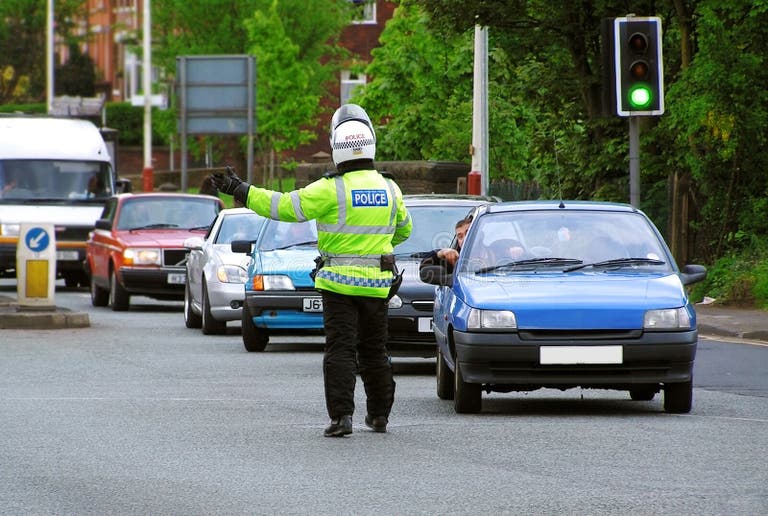
traffic-police-126864.jpg

Cop confronted with a line of dangerous weapons pointed at him?
 
wrong the law in that state is that if a car is headed toward an officer, it does not even haveto hit him and the officer can employ deadly force. SIGNED by the current Governor. Federal law is the same, if the officer feels his life or another's in jeopardy he may fire.
Simply FALSE Sgt...here is Minnesota's regs on it and it is the same...


^^^______


In Minnesota, shooting into a moving vehicle is legally classified as deadly force under State Statute 609.066. This action is generally restricted to situations where an officer or another person is in imminent danger of death or great bodily harm.
Key Regulations
  • Legal Definition: Firing at a vehicle with people inside is considered "deadly force" because it creates a substantial risk of death or serious injury.
  • Restrictive Standards: Most Minnesota law enforcement agencies and the POST Board (Peace Officer Standards and Training) follow policies that discourage shooting at moving cars unless the occupants are using deadly force other than the vehicle itself (e.g., firing a gun from the window).
  • Requirement to Move: Guidelines generally require officers to attempt to move out of the path of a vehicle rather than firing at it, as a disabled driver can lose control of the car and further endanger the public.
  • Reasonableness: Courts evaluate these shootings based on "objective reasonableness," meaning they look at whether another officer in the same situation would have reacted similarly given the immediate threat.
 
Simply FALSE Sgt...here is Minnesota's regs on it and it is the same...


^^^______


In Minnesota, shooting into a moving vehicle is legally classified as deadly force under State Statute 609.066. This action is generally restricted to situations where an officer or another person is in imminent danger of death or great bodily harm.
Key Regulations
  • Legal Definition: Firing at a vehicle with people inside is considered "deadly force" because it creates a substantial risk of death or serious injury.
  • Restrictive Standards: Most Minnesota law enforcement agencies and the POST Board (Peace Officer Standards and Training) follow policies that discourage shooting at moving cars unless the occupants are using deadly force other than the vehicle itself (e.g., firing a gun from the window).
  • Requirement to Move: Guidelines generally require officers to attempt to move out of the path of a vehicle rather than firing at it, as a disabled driver can lose control of the car and further endanger the public.
  • Reasonableness: Courts evaluate these shootings based on "objective reasonableness," meaning they look at whether another officer in the same situation would have reacted similarly given the immediate threat.
simple not true. the Governor signed a law that allows an officer to fire on a vehicle that is moving toward them, and they fear or their life. The vehicle does not even have to hit them.
 
Simply FALSE Sgt...here is Minnesota's regs on it and it is the same...


^^^______


In Minnesota, shooting into a moving vehicle is legally classified as deadly force under State Statute 609.066. This action is generally restricted to situations where an officer or another person is in imminent danger of death or great bodily harm.
Key Regulations
  • Legal Definition: Firing at a vehicle with people inside is considered "deadly force" because it creates a substantial risk of death or serious injury.
  • Restrictive Standards: Most Minnesota law enforcement agencies and the POST Board (Peace Officer Standards and Training) follow policies that discourage shooting at moving cars unless the occupants are using deadly force other than the vehicle itself (e.g., firing a gun from the window).
  • Requirement to Move: Guidelines generally require officers to attempt to move out of the path of a vehicle rather than firing at it, as a disabled driver can lose control of the car and further endanger the public.
  • Reasonableness: Courts evaluate these shootings based on "objective reasonableness," meaning they look at whether another officer in the same situation would have reacted similarly given the immediate threat.
the officer in question believed he was in imminent danger dumbass.
 
simple not true. the Governor signed a law that allows an officer to fire on a vehicle that is moving toward them, and they fear or their life. The vehicle does not even have to hit them.
You ignore the "in fear of their life" requirement.
Meaning the vehicle has to be traveling fast enough to cause death or severe injury. And the officer can not move out of the way of the vehicle.
 
the officer in question believed he was in imminent danger dumbass.
The law says according to how another officer would have viewed it also.

Reasonableness: Courts evaluate these shootings based on "objective reasonableness," meaning they look at whether another officer in the same situation would have reacted similarly given the immediate threat.

Ross has been previously seriously injured by an automobile, and as such, may have had unreasonable fear of getting injured again.
 
The law says according to how another officer would have viewed it also.

Reasonableness: Courts evaluate these shootings based on "objective reasonableness," meaning they look at whether another officer in the same situation would have reacted similarly given the immediate threat.

Ross has been previously seriously injured by an automobile, and as such, may have had unreasonable fear of getting injured again.

Nowhere does the law say any of it is subject to your opinion.
You are not the law, you are not the court, and you may not even be another officer.

Whatever you think just doesn't matter according to the law, because imminent danger was never yours to decide, and probably never will be in this case. Argue all you want, but that is the simple reality of it.
 
15th post
Nowhere does the law say any of it is subject to your opinion.
You are not the law, you are not the court, and you may not even be another officer.

Whatever you think just doesn't matter according to the law, because imminent danger was never yours to decide, and probably never will be in this case. Argue all you want, but that is the simple reality of it.
The point about the law, as was already posted, it's not the opinion of the officer that is determinant.
 
You ignore the "in fear of their life" requirement.
Meaning the vehicle has to be traveling fast enough to cause death or severe injury. And the officer can not move out of the way of the vehicle.
.

Thanks for sharing your opinion.

Keep trying.


.
 
Back
Top Bottom