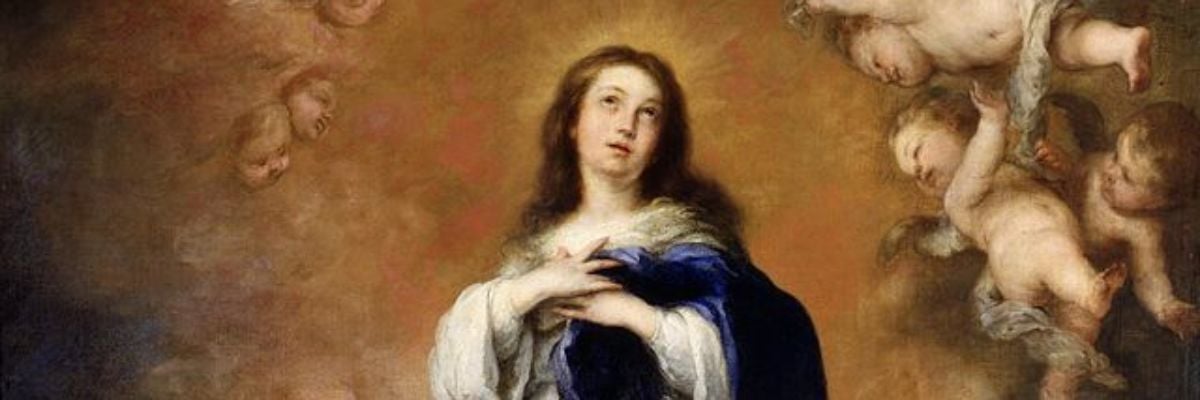
In Luke's Gospel, the Angel greets Mary with "kecharitomene". It is a Greek word that means that grace has already been given, so it's not an action but an identity. Over the years scholars have used 'full of grace', 'highly graced', 'highly favored'. Because of the past-perfect tense and the fullness of that grace, it eclipses Original Sin upon Mary's conception.
In the Catholic Church, Apostolic tradition also plays a great part of who we are. Early on, some churches acknowledged this about Mary while others did not give it much importance. However, it never went away and it had always been a grassroots celebration--not anything mandated by rulers or leaders. People took the celebration to the parish priests, who over time, took it to bishops (dioceses), then to archbishops in archdioceses. Then about eighteen hundred years later, it wound its way to Rome where it was discussed by Cardinals. Why all this time? Because on this issue, some agreed and some disagreed. It was pretty much equally divided. The Cardinals couldn't decide, so it went to the Pope.
This was an issue of exCathedra (where the decision by the Pope would be 'infallible' meaning future popes could not overrule his decision). Pope Pius IX, in December 1854, agreed with the designation of the Immaculate Conception became Catholic Dogma.
About three years later, a beautiful lady appeared to a young peasant girl named Bernadette. Bernadette asked the lady who she was, the answer was, "I am the Immaculate Conception." Bernadette did not know the words or what they meant.