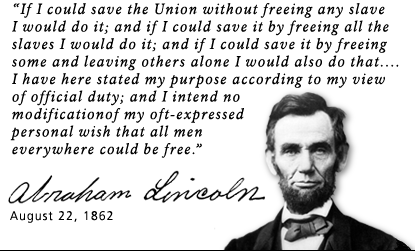
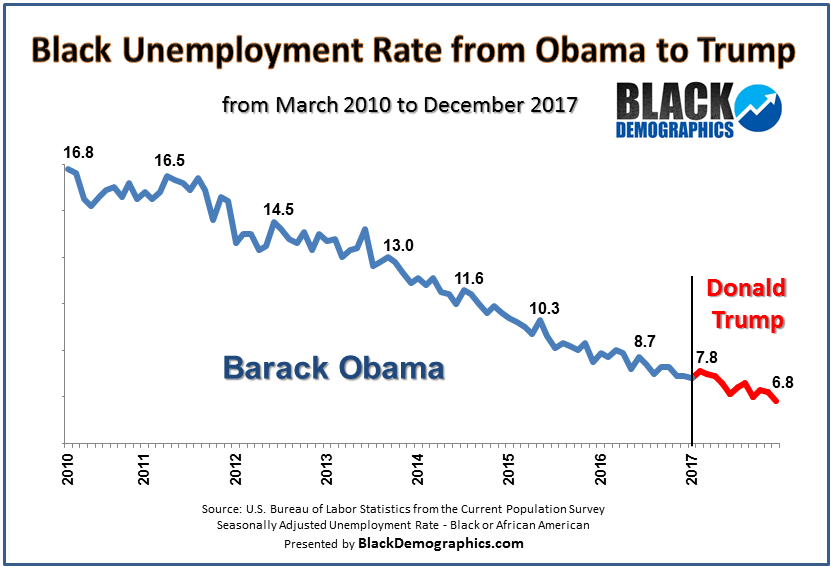
You really trying to erase history?
What southern Republicans?
You can't erase history. It's just that most black people fully know the history of the republican party. After all, we were republicans and something caused us to leave the party. And it was not the promise of free shit
The
lily-white movement was an anti-
civil-rights movement within the
Republican Party in the United States in the late 19th and early 20th centuries. The movement was a response to the political and socioeconomic gains made by African-Americans following the
Civil War and the
Thirteenth Amendment to the Constitution, which eliminated slavery. Black leaders gained increasing influence in the party by organizing blacks as an important voting bloc. Conservative
white groups attempted to eliminate this influence and recover white voters who had defected to the
Democratic Party.
The term
lily-white movement is generally attributed to
Texas Republican leader
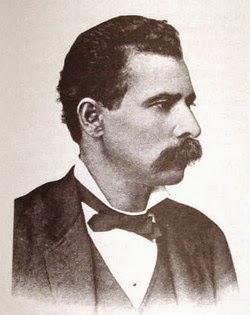
Norris Wright Cuney who used the term in an 1888 Republican convention to describe efforts by white conservatives to oust blacks from positions of Texas party leadership and incite riots to divide the party. The term came to be used nationally to describe this ongoing movement as it further developed in the early 20th century. Localized movements began immediately after the war but by the beginning of the 20th century the effort had become national.
Lily-white movement
The "lily-white" movement within the Republican party after the Civil War.
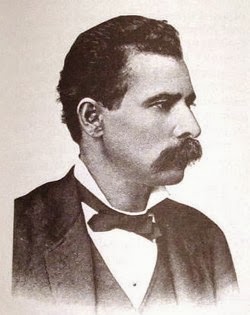
Norris Wright Cuney
From the first days of Reconstruction, a fight developed not only in Texas but across the South between white and black factions for control of the newly formed party. As white GOP leaders sought "respectability" among Southern voters and a conviction grew that continued "black and tan" involvement thwarted expansion of the party, the lily-white Republicans began an organized effort to drive blacks from positions of party leadership. Though Texas blacks appealed to Northern party managers to halt the movement, lily-whiteism flourished because Republican presidents after 1865 wanted approval from the Southern white masses.
The term lily-white apparently originated at the 1888 Republican state convention in Fort Worth, when a group of whites attempted to expel a number of black and tan delegates. Norris Wright Cuney, the black Texas leader who controlled the state party from 1883 until his death in 1896, promptly labeled the insurgents "lily-whites," and the term was soon applied to similar groups throughout the South. Actually, an organized lily-white movement had begun in Texas during the 1870s, when the party was dominated by former governor Edmund J. Davis.
But once Cuney gained the national committeemanship in 1884 upon the death of Davis, the lily-whites started a concerted drive for mastery. Though Cuney was reappointed to the national committee at the 1892 Republican national convention, the black-white struggle in Texas resulted in a fractured party and the first GOP state convention without a black and tan delegation in attendance. The 1892 election proved a turning point for both GOP factions as Cuney aligned the black and tans behind George Clark, a conservative Democrat, in his fight with James S. Hogg, and the lily-whites nominated Andrew Jackson Houston for the governorship. Houston, son of Sam Houston and a future United States senator, received only 1,322 votes in the November election, while Cuney suffered a dual setback: not only did Clark go down in defeat, but the Democrat Grover Cleveland won the presidency, so that Cuney lost all federal patronage.
The Black Conservative: The "lily-white" movement within the Republican party after the Civil War.