That graph shows that from 2000 to 2009, there was a rise in electrical rates, and, from 2009 to 2016, the rise continued, except at a less steep rate. So, as renewables were incorporated into the grid, the increase rose less sharply. Even in spite of what the article stated for the reasons for the lack of a leveling off of costs.
Why Low Energy Prices Rarely Reach Electric Consumers - Microgrid Media
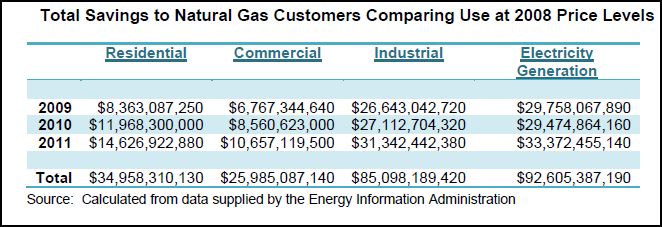
After peaking in 2008, the collapse of natural gas prices theoretically saved Americans nearly $250 billion over 3 years. Had the net savings been a stimulus package, the first year alone would have been the 2nd biggest in history. Seven years of low natural gas prices have resulted in
plummeting wholesale power prices (what the utility pays), but few Americans feel like they’ve seen any benefit, especially on their electric bills.
Although natural gas prices, which are the biggest input into the electric system, have declined by 39% over the last decade, electricity prices have risen by 40%. As the industry saved around $30 billion a year, consumer rates still rose faster than inflation.
.................................................................................................................................................................................................................
Former CEO and current thought leader David Crane sees energy following a similar path of computers. In the 70s and 80s there were just a few massive, centralized supercomputers. Computers were a bulky, centralized systems. Then people found a way to string distributed PCs together, and the supercomputers weren’t necessary anymore. The computing power of distributed computers in the cloud surpassed all expectations.
Microgrids, ultimately, will not come from top down but the bottom up, owners of distributed energy resources like solar PV and batteries will realize they have spare capacity, says Crane in an interview with Columbia University’s Center For Global Energy Policy. “Whenever there’s spare capacity going forward, society is going to find a way to use that spare capacity.”
Though Crane admits getting in trouble at NRG for being ahead of the curve, the sharing economy for energy could be closer than we think.
So we have another dumb ass denier stating something about an article that is just the opposite of what the article says. LOL