The simple fact of viruses is how they're transmitted.
A virus needs to get from one person's body to another. Some like HIV have to be passed blood to blood. This is why HIV is quite slow at spreading. Ebola is the same. The reason why Ebola isn't that deadly is because it kills 90% of the people it infects and does so quite quickly, 2 to 21 days. This means it doesn't spread easily. HIV/AIDS can take 8-10 years.
The flu is a virus. It's far more common. The CDC estimates that about 8% of the country gets the flu in any one year. (Between 3% and 11%). Clearly this is much higher than the number of people with HIV/AIDS and the number of people with Ebola.
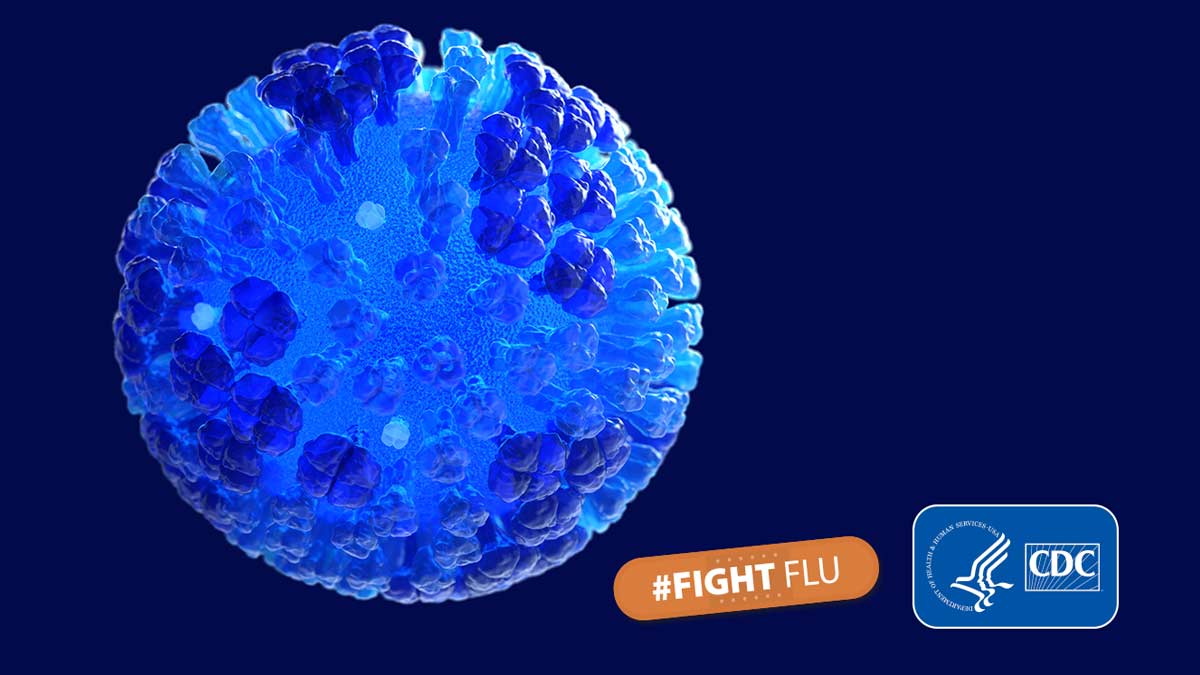
Learn key facts about influenza to fight against flu.

www.cdc.gov
The Centers for Disease Control and Prevention estimates that, during 2010–2016, the incidence of symptomatic influenza among the existing mix of vaccinate

academic.oup.com
The reason why the flu is more prevalent is because it spreads much easier.
Children are most likely to get the flu.
"The same
CID studyexternal icon found that children are most likely to get sick from flu and that people 65 and older are least likely to get sick from influenza. Median incidence values (or attack rate) by age group were 9.3% for children 0-17 years, 8.8% for adults 18-64 years, and 3.9% for adults 65 years and older. This means that children younger than 18 are more than twice as likely to develop a symptomatic flu infection than adults 65 and older."
Child are unhygienic, they cough openly, pick their noses, touch themselves with impunity and interact a lot with their peers.
And the ways the flu passes itself on is mostly through air droplets. i.e., someone sneezes and it then lands in someone else's mouth.
Flu viruses spread by droplets made when people cough, sneeze or talk.
www.cdc.gov
It can also spread when people wipe their nose, put their fingers in their mouth etc, touch something and then someone else touches this.
The coronavirus is pretty similar to the flu in some respects.
The Spanish Flu and the coronavirus are looking pretty similar. Because of actions of governments and the better sanitary conditions the number of deaths is lower. They're from different virus families, but they both spread really quickly, and they both kill a small percentage of people they infect.
The Spanish flu ended up just becoming the flu. The coronavirus might just end up becoming something like the flu. Something people die from, mostly older people, something that attacks more in winter.
The reason it attacks more in winter is more evidence of it being transmitted via coughing.
“Did you get your flu shot?” If your friends are anything like mine, you heard this question at least a dozen times before Thanksgiving. You probably got your fair share of disdainful looks too, if you answered “No.” But why are we worried about getting the flu shot now and not in May? Why is...
sitn.hms.harvard.edu
"wherever there is winter, there is flu"
"
Here are the most popular theories about why the flu strikes in winter:
1) During the winter, people spend more time indoors with the windows sealed, so they are more likely to breathe the same air as someone who has the flu and thus contract the virus (3).
2) Days are shorter during the winter, and lack of sunlight leads to low levels of vitamin D and melatonin, both of which require sunlight for their generation. This compromises our immune systems, which in turn decreases ability to fight the virus (3).
3) The influenza virus may survive better in colder, drier climates, and therefore be able to infect more people"
"Palese found that the virus was transmitted better at low temperatures and low humidity than at high temperatures and high humidity (see Figure 1)."
You can look at figure one for the nice picture view.
"A paper from the 1960s may provide an alternate explanation. The study tested the survival time of different viruses (
i.e. the amount of time the virus remains viable and capable of causing disease) at contrasting temperatures and levels of humidity. The results from the study suggest that influenza actually survives longer at low humidity and low temperatures."
The coronavirus works in the same way. Much higher figures in colder weather.