
Let me give you the step-by-step guidelines for determining what is considered a bully. Here below is a description of what a bully is. There are 4 different types of bullies and Trump fits 3 of them to a tee:
Secondly, here is how a president acts that is considered bullying:
AI Overview
A president acting as a bully—defined as using insults, threats, and intimidation to coerce others—carries significant negative consequences for democratic norms, national unity, and international relations. According to research, analysis, and psychological assessments, these behaviors can lead to the following negative outcomes:
Undermining Democracy and Institutions
and here is a better explanation of the bullying that Trump has been doing things:
Teddy Roosevelt believed the presidency was a bully pulpit that gave him a platform to advocate his ideas. When Congress refused to cooperate, he traveled around the country giving speeches to get the public to pressure their Congressmen to support his policies. Roosevelt used this approach to bargain with conservatives in Congress to pass his anti-trust and conservation laws.
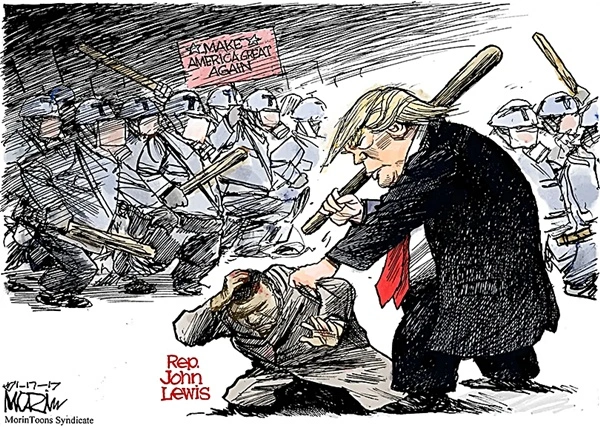
If you check all of these simple explanations and evaluations of bullying, and then of Trump doing it, and the consequences that come with it, you need to ask yourself, "is a bully what I want leading the country"?
When you show a problem, you need to offer a solution or otherwise all you are doing is being a critic.
As such, here is what the solution is:
AI Overview
Being strong and decisive without relying on a bully pulpit—intimidation, public shaming, or dominating conversation—requires shifting from a model of command-and-control to one of quiet influence, high emotional intelligence, and consistent action. This approach, often called quiet leadership, relies on building trust, setting clear expectations, and demonstrating character.
Here is how to be strong and decisive without being a bully:
1. Act with Decisiveness (Not Aggression)
Secondly, here is how a president acts that is considered bullying:
AI Overview
A president acting as a bully—defined as using insults, threats, and intimidation to coerce others—carries significant negative consequences for democratic norms, national unity, and international relations. According to research, analysis, and psychological assessments, these behaviors can lead to the following negative outcomes:
Undermining Democracy and Institutions
- Weakening Civil Society: By attacking opponents, the media, universities, and law firms, a bullying president coerces independent institutions into compliance, reducing their ability to hold government accountable.
- Erosion of Norms and Rule of Law: Normalizing disrespectful behavior and name-calling (e.g., "Sleepy Joe," "Crooked Hillary") lowers the standard for public discourse and political behavior.
- Creation of a "Climate of Fear": A "bully presidency" relies on intimidating opponents, which can lead to a "slide toward tyranny" or authoritarianism.
The University of North Carolina at Chapel Hill +4
- Modeling Bad Behavior: When a leader engages in mockery, insults, or demeaning rhetoric, it encourages similar behavior among the public, particularly children, leading to increased bullying in schools.
- Increased Social Polarization: Such rhetoric promotes anger, rage, and malice, deepening divisions between supporters and opponents.
- Targeting Vulnerable Groups: Bullying tactics often focus on vulnerable groups (e.g., immigrants, minorities), leading to increased fear and, in some cases, hate crimes.
The University of North Carolina at Chapel Hill +4
- Reduced Effectiveness and Cooperation: While bullying may yield short-term wins, it alienates potential partners and makes long-term compromise and cooperation more difficult.
- High Turnover and Low Morale: A "toxic work environment" in government leads to high staff turnover, decreased productivity, and a loss of expertise.
- Increased Political Instability: A reliance on coercion rather than persuasion creates instability, as policies can sharply shift based on the president's whims.
Union University +1
- Loss of "Soft Power": A bullying approach to foreign relations erodes trust, weakens alliances, and damages the nation's global reputation.
- Economic Uncertainty: The use of threats and tariff-based negotiations creates uncertainty for businesses, which can discourage investment.
Union University
- Anxiety in the Populace: The constant, hostile rhetoric can cause increased stress, anxiety, and feelings of hopelessness in the public.
and here is a better explanation of the bullying that Trump has been doing things:
From Bully Pulpit to Bully Presidency
President Trump has shifted from using the bully pulpit to persuade and bargain with political leaders to being a bully president who coerces and intimidates others to achieve his goals.Teddy Roosevelt believed the presidency was a bully pulpit that gave him a platform to advocate his ideas. When Congress refused to cooperate, he traveled around the country giving speeches to get the public to pressure their Congressmen to support his policies. Roosevelt used this approach to bargain with conservatives in Congress to pass his anti-trust and conservation laws.
If you check all of these simple explanations and evaluations of bullying, and then of Trump doing it, and the consequences that come with it, you need to ask yourself, "is a bully what I want leading the country"?
When you show a problem, you need to offer a solution or otherwise all you are doing is being a critic.
As such, here is what the solution is:
AI Overview
Being strong and decisive without relying on a bully pulpit—intimidation, public shaming, or dominating conversation—requires shifting from a model of command-and-control to one of quiet influence, high emotional intelligence, and consistent action. This approach, often called quiet leadership, relies on building trust, setting clear expectations, and demonstrating character.
Here is how to be strong and decisive without being a bully:
1. Act with Decisiveness (Not Aggression)
- Move from Questions to Statements: Sound more confident by making firm statements about the direction, rather than constantly seeking approval through questions.
- Set Clear Expectations: Be unambiguous about standards, goals, and consequences, which helps team members act confidently.
- Decide Promptly: Decisiveness is a "firmness of mind" in taking a stand, often requiring instant decisions based on core principles to prevent problems from escalating.
- Take Personal Accountability: When things go wrong, stand up and say "I've got this," rather than blaming others.
- Lead by Example: Do not ask others to do what you wouldn't do yourself. Your actions should reflect your character, which builds authentic respect rather than artificial obedience.
- Listen More Than You Speak: Active listening allows you to gather information, understand perspectives, and make better-informed, more confident decisions.
- Use "We" Instead of "I": Focus on collective goals, reducing the need for self-promotion and increasing team loyalty.
- Speak with Purpose: Speak less often, but make your words count. When you rarely raise your voice, your contributions carry more weight.
- Regulate Your Emotions: Strong leaders stay composed under pressure, providing stability to the team rather than reacting to every crisis.
- Manage Conflict Privately: Never belittle or criticize an individual in a public forum. Save performance management for one-on-one conversations.
- Practice Kind Candor: Correct behavior directly, but with compassion, rather than attacking the person.
- Create Psychological Safety: Encourage others to share their opinions and take risks without fear of retribution.
- Delegate Authority: Trust your team by giving them ownership of projects, rather than micromanaging. This develops future leaders.
- Be Consistent and Reliable: Trust is built when your actions align with your words over time.
- Establish Clear Boundaries: Set firm rules and follow them yourself.


