Data, statistics and facts are no longer important! Is that going to be Trump's legacy?
Here are some articles that support that:
Let’s start with the latest jobs report for February, which showed the economy lost 92,000 jobs. According to the Bureau of Labor Statistics, the economy lost jobs in six of the last 14 months going back to January 2025. The job-loss numbers so upset Trump last June when the monthly report showed a decline of 20,000 jobs that he fired the commissioner of the Bureau, Erika McEntarfer. Whom will he fire now?
Worse yet, in September 2024, Trump claimed, “We’re going to have a manufacturing boom.” Yet the country lost more than 100,000 manufacturing jobs over Trump’s first year. To be sure, manufacturing jobs had started declining a year before Trump entered office, and several factors are causing that decline. But he claimed his policies, especially his expansive use of tariffs, would reverse that trend. So far, that hasn’t happened.
This shift signals more than a partisan impulse—it marks the erosion of institutions designed to uphold objective truth. For decades, federal statistics have anchored democratic governance, offering policymakers, markets, and the public a shared factual baseline. Trump’s approach upends that legacy, promoting the idea that data should serve political ends rather than public understanding.
The problem is even greater because Trump supporters support the misinformation and push it themselves as being the truth;
A forthcoming study dug into this phenomenon and found that people knowingly support falsehoods when it aligns with their personal politics.
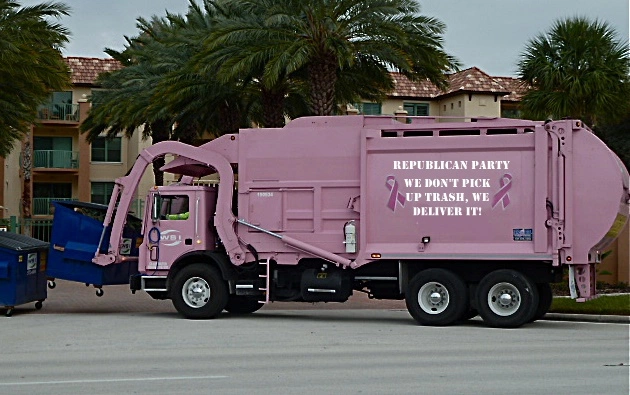
Lying and misinformation has always been a part of politics but this time around it has gone to the extremes and not by both parties but mainly by the Republicans:
I don't know about your guidelines in life but for me, truth is the basis of having a good life
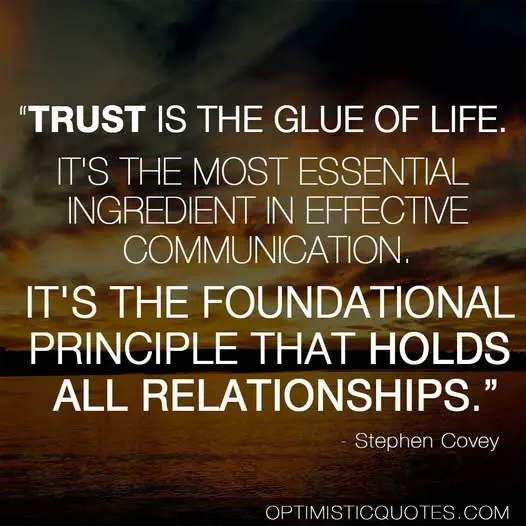
TRUTH is the very foundation of our society. Without TRUTH, we have no trust. Without trust, we cannot make decisions. Without the ability to make decisions, all society stops functioning.
Here are some articles that support that:
Fudging the numbers: Trump’s economy is not what he claims — or wants
In a briefing before his State of the Union address, President Trump claimed that the U.S. has “the greatest economy we’ve ever had.” But most of the economic statistics he cites don’t back up his claim. Indeed, they tell a story he doesn’t want told.Let’s start with the latest jobs report for February, which showed the economy lost 92,000 jobs. According to the Bureau of Labor Statistics, the economy lost jobs in six of the last 14 months going back to January 2025. The job-loss numbers so upset Trump last June when the monthly report showed a decline of 20,000 jobs that he fired the commissioner of the Bureau, Erika McEntarfer. Whom will he fire now?
Worse yet, in September 2024, Trump claimed, “We’re going to have a manufacturing boom.” Yet the country lost more than 100,000 manufacturing jobs over Trump’s first year. To be sure, manufacturing jobs had started declining a year before Trump entered office, and several factors are causing that decline. But he claimed his policies, especially his expansive use of tariffs, would reverse that trend. So far, that hasn’t happened.
The Battle Over Truth: Trump, Data, and the Fight for Reality
When Donald Trump fired Dr. Kristine Joy Suh, head of the Bureau of Labor Statistics, after a disappointing July jobs report, it wasn’t merely a personnel decision—it was a sharp break with precedent. Suh’s removal upended decades of tradition in which BLS commissioners, regardless of who appointed them, were shielded from political retaliation to preserve statistical integrity. In his second term, Trump has made it clear that data isn’t merely information to be reported—it’s a narrative to be controlled. If the numbers align with his message, they’re hailed as proof of success. If they don’t, they’re dismissed as fake—or worse, subversive.This shift signals more than a partisan impulse—it marks the erosion of institutions designed to uphold objective truth. For decades, federal statistics have anchored democratic governance, offering policymakers, markets, and the public a shared factual baseline. Trump’s approach upends that legacy, promoting the idea that data should serve political ends rather than public understanding.
The problem is even greater because Trump supporters support the misinformation and push it themselves as being the truth;
Facts ignored: The truth is flexible when falsehoods support political beliefs
Why do people support politicians who make blatantly false statements?A forthcoming study dug into this phenomenon and found that people knowingly support falsehoods when it aligns with their personal politics.
Lying and misinformation has always been a part of politics but this time around it has gone to the extremes and not by both parties but mainly by the Republicans:
Republicans are flagged more often than Democrats for sharing misinformation on X’s Community Notes
We use crowd-sourced assessments from X’s Community Notes program to examine whether there are partisan differences in the sharing of misleading information. Unlike previous studies, misleadingness here is determined by agreement across a diverse community of platform users, rather than by fact-checkers. We find that 2.3 times more posts by Republicans are flagged as misleading compared to posts by Democrats.I don't know about your guidelines in life but for me, truth is the basis of having a good life
What is TRUTH and Why Does It Matter?
It matters because ideas have consequences and false ideas generally have bad consequences. We find ourselves facing a wave of disinformation and tremendous division everywhere, based largely on the absence of TRUTH.TRUTH is the very foundation of our society. Without TRUTH, we have no trust. Without trust, we cannot make decisions. Without the ability to make decisions, all society stops functioning.
Last edited: