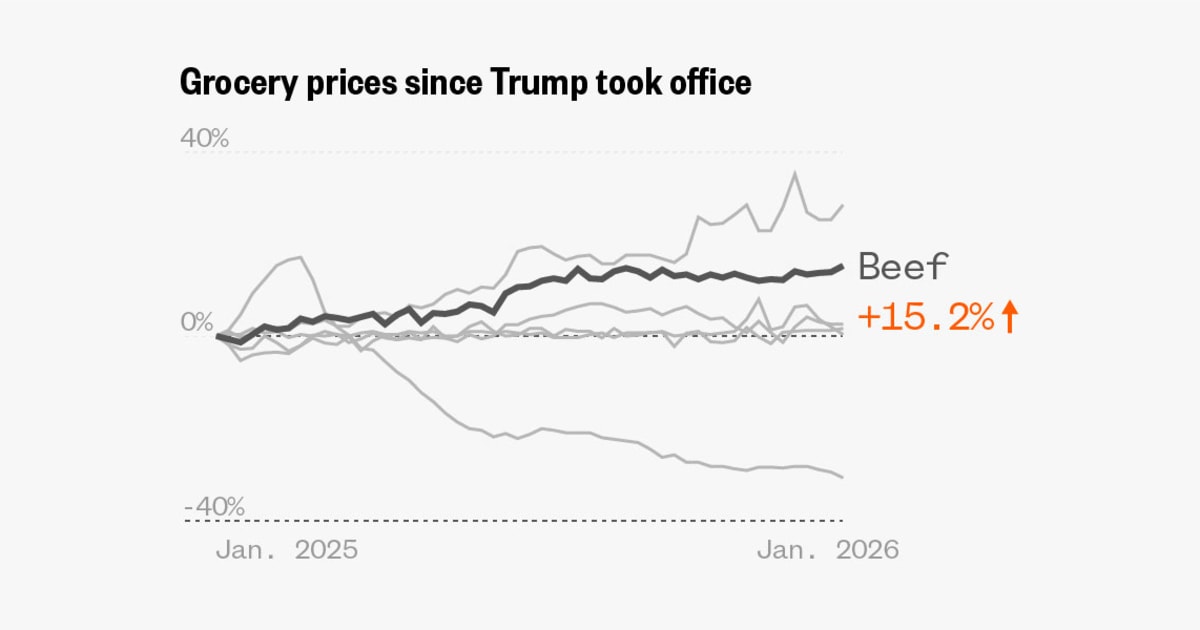
Look, capitalism as we once knew it has been perverted and usurped. As such, there is a great deal of exploitation going on. To get prices down will require a mammoth effort and creative thinking since the BBB ensured immense supply of money which companies are leveraging and the poor get hurt.
If Trump wants to get prices down and win the hearts of citizens he is going to have to work on behalf of citizens.
First, get rid of these max pay loans and credit cards. 100% Interest and what not is disgusting and it angers people to be exploited and kept in a loop of poverty. Restrict credit cards to a maximum of +15% above federal rate.
Second, call out three particular products or large scale companies per week. Promote a simple federal website that can remain going forward of companies overcharging for products excessively. You can be sure that if Walmart sees their product called out and risk hurting their bottom line that they will accept 12-15% ROI on a product instead of 20-30%.
I will also make a federal site dedicated to spotlighting "Made in America" products and companies who give back to citizens with lower returns on some products. Do it on a weekly basis and have companies compete for the eyeballs of citizens.
Finally, eliminate corporate handouts. What an insult to taxpayers and capitalists. Make them work to build the better mousetrap and only give help to smaller companies, encourage competition.
Here's a better idea from wayback:
Send every American $50 a month and put it into a virtual account based on the Social Security number. Lets say there are 400,000,000 Americans. I know that is more than there are but it makes the math easier.
400,000,000 X $50.00 = $20 Billion dollars a month. $240B a year. Direct to every SS#.
Here is the catch.
The US Government (under the Dept of Commerce) opens 25-50 warehouses. The Commerce Department then starts to fill the warehouses with goods that are 95-99% American made. When I say that...I mean the following. If there is a shirt in the warehouse, it is made of (examples of course), Mississippi cotton. The cotton was spun in Alabama into thread to make the fabric. The fabric was cut in, I don't know, North Carolina and turned into a shirt that was shipped to the warehouse. If there is a bookshelf in the warehouse, the timber came from Washington State. It was assembled in North Carolina and shipped to the warehouse. The cans of corn...the cans were made in Ohio; the Corn is from Iowa. If there is bacon in the warehouse, the pig that was sacrificed was in Arkansas, the packing plant was in Nebraska.... Beer...the barley was grown in Kansas, the bottles were made in Wisconsin. You get the idea. None of this "assembled in Mexico of American materials". Plus...you contact major retailers and license them to open up spaces in their stores or websites that have goods that also have the 95-99% American made goods. The SS# money is good there too.
The cap can be $100. If you don't spend it, you don't get the next deposit and it is put into your social security account for down the line. There will be a lifetime cap on what can be deferred.
Americans are employed in the warehouses
Americans are employed by the government buying shirts, furniture, agriculture, bacon, beer.
Americans are employed by the distribution by FedEx, UPS, etc..
Americans are fed by the existing distribution channels...they are expanded however. Instead of paying farmers not to grow or farms that are on the bubble, they get a new partner that is buying their produce.
In short, we're creating a market.
===
I'm not saying this idea is the only path. But I can almost guarantee you that nobody in the Biden Administration (or the Trump admin, or most admins) think of a design like this. Whatever stimulus they spawn is so watered down by the old constructs its hardly effective. Fifty buck a month for primarily groceries will help. The $2,000 stimulus is nice but what will people do with it? Perhaps buy a computer made in Singapore or pay off debt to a bank or maybe some Italian shoes. Great to see commerce but wouldn't it be more effective if the money was in a pipeline that only went to American companies who hired Americans to make goods off of American soil? It's multiplier.