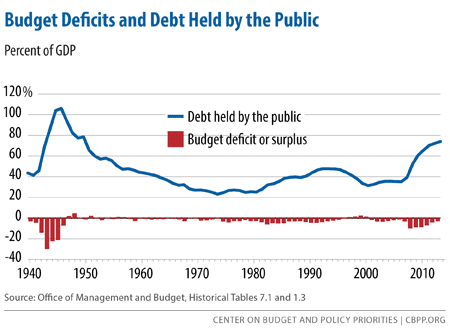
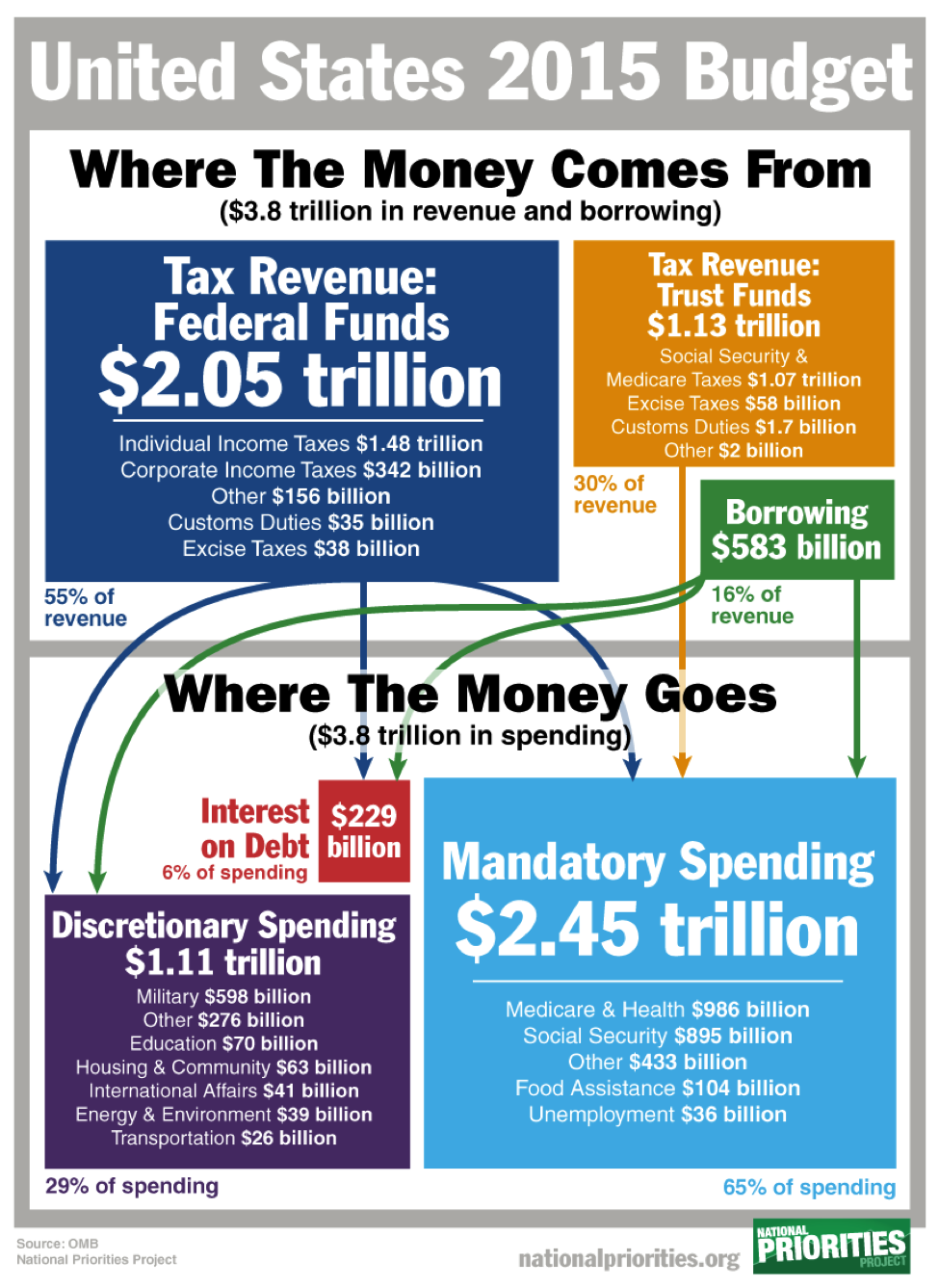
In our Entitlement Society, most of the cost of "funding government operations" is determined by the number of individuals receiving these entitlements. Therefore, reducing this number is just as important a factor in tax policy as are tax rates themselves. (The fact that income tax rates and revenues have been inversely proportional further underscores this point.)
You assertion that tax policy and economic activity are (or should be) unrelated is completely unrealistic, as well as inaccurate. Why do you think jobs and factories migrate to States and countries with more favorable tax policies?
I guess strictly speaking, SSI and Medicare are entitlements, but they are ones for which a great many recipients worked to receive. The personally focused, pure and simple, handouts amount to ~$140 billion.
Could the mix of spending be shuffled to put more "here" and less "there?" Of course. That said, I don't see $140 billion, in the scheme of things, as militating for calling our country an "entitlement society."
Red:
I will accept (because I haven't looked into it) that the rates are
inversely proportioned as you say. I won't accept without
evidence that their being so reflects anything beyond a circumstantial observation. Just so I can be sure to examine the right things,
whose revenues do you mean? Government's, individuals, private sector businesses/non-profits, all of them or some combination thereof?
Blue:
The ones who are my clients and who've actually moved their production operations abroad did so because the cost of labor plus transportation plus was lower in the "moved to" countries than it was in U.S. The tax rates on domestically earned profits were not a controlling factor in the ROI "do or don't do" decision. There's no denying that after making the central business decision based on a legitimate business case, they took advantage of available tax minimization strategies. Indeed, the revised tax position (be it positive or negative) was without exception included in the business case, but the tax opportunities were in none of those cases the driver.
I do have a few clients for whom the sole purpose of our engagements have been to take advantage of technology to implement one or several tax minimization tactics. On the most effectual of those projects, the client has been realizing a net tax savings of about $70 million per year, but the taxes involved aren't federal taxes. Most critically to this discussion, however, the "movements" the clients undertake are all within the U.S.