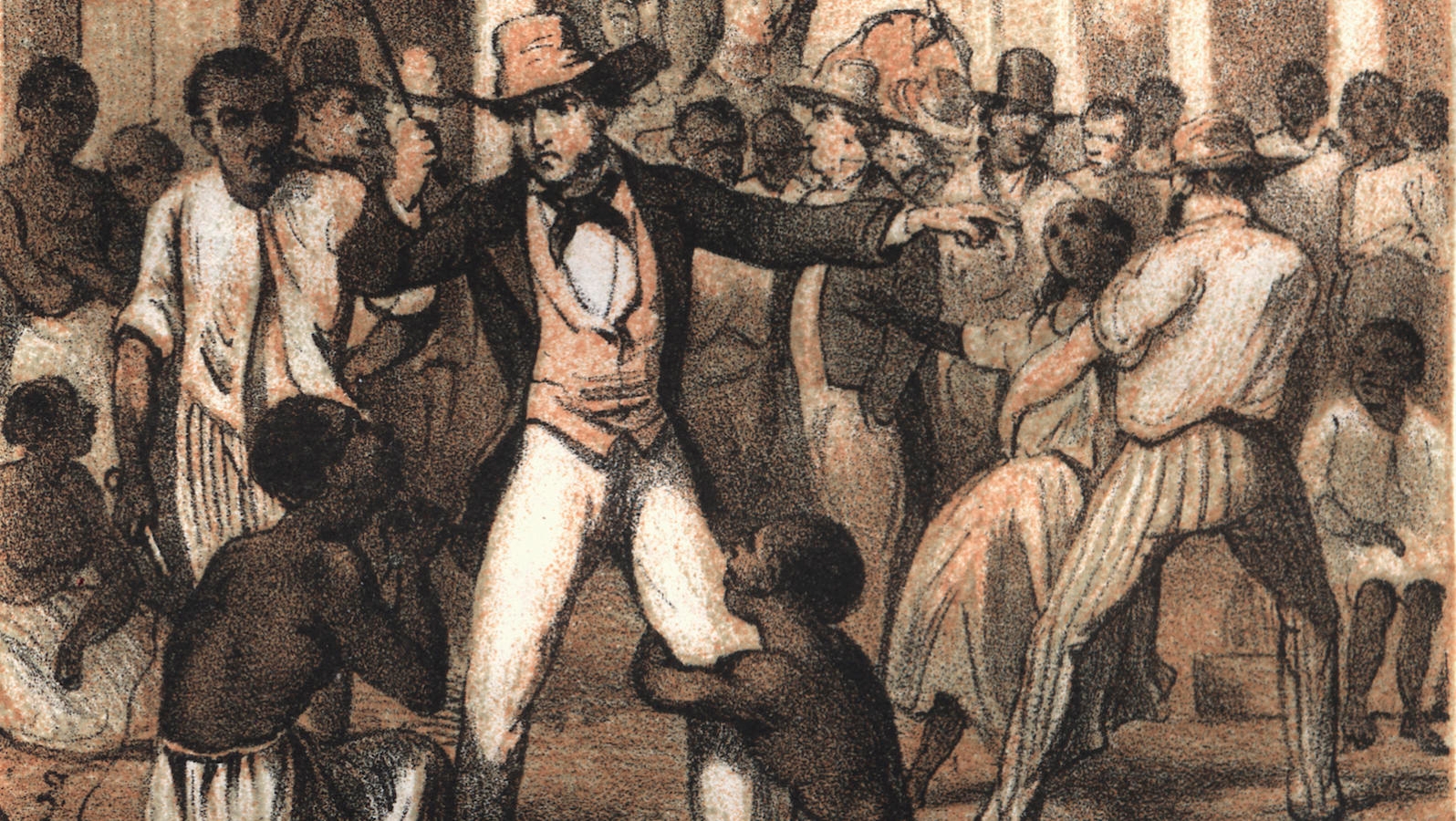
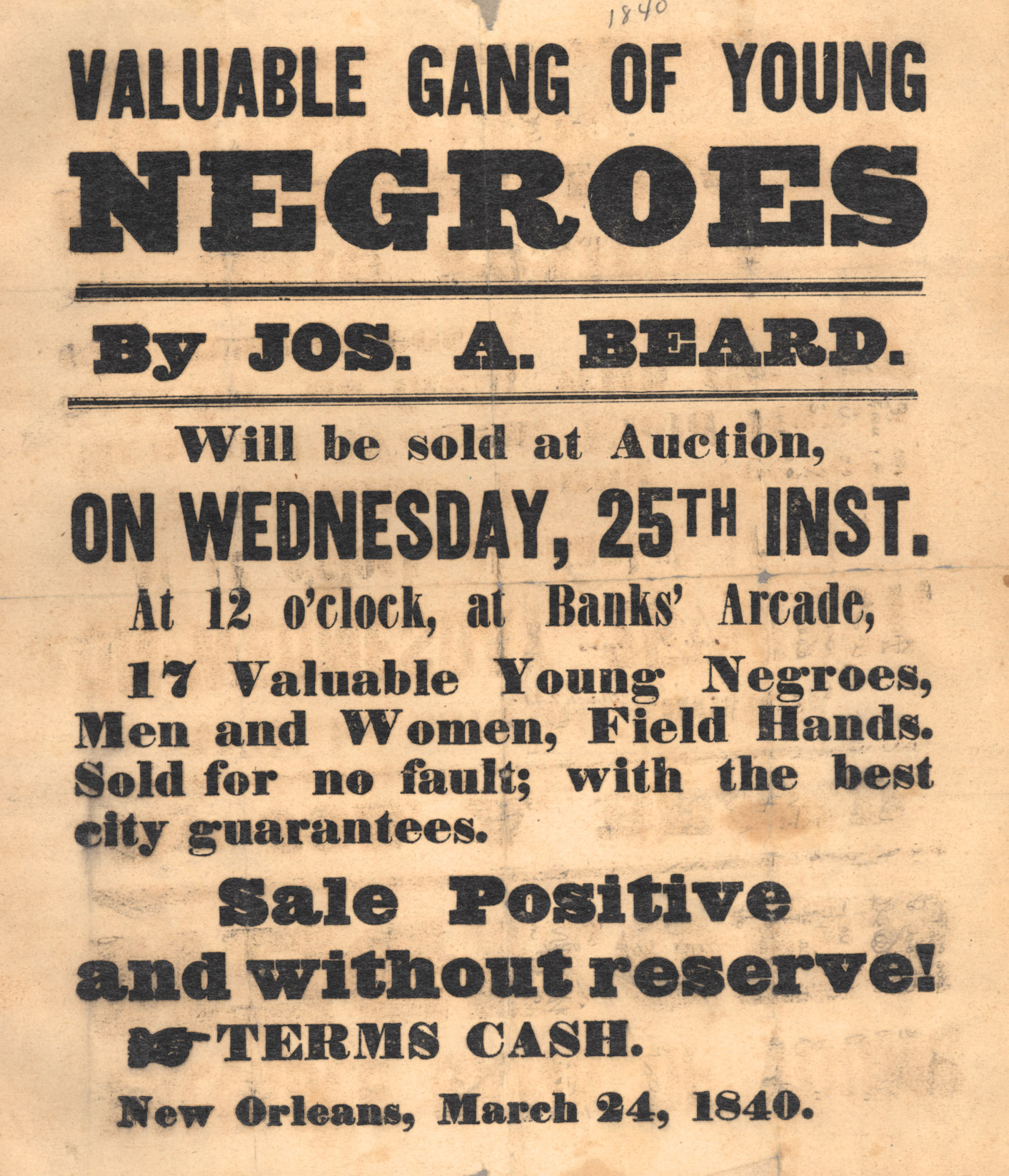
Here is the socialist's conception of helping all people.
Here is the socialist's conception of helping all people.
Here's where Capitalism's free market started:
And just like a good postmodernist operating by the "numbers" when you can't win an argument with fact or logic or even a modicum of integrity, you resort to accusations of racism, as your ideology demands. So typical; so damn predictable.
And just like a good postmodernist operating by the "numbers" when you can't win an argument with fact or logic or even a modicum of integrity, you resort to accusations of racism, as your ideology demands. So typical; so damn predictable.
Are you ignorant of logical connection between Capitalism and slavery?
The Clear Connection Between Slavery And American Capitalism
This may come as a surprise to you, but both slavery and capitalism are way older than America.
.
This may come as a surprise to you, but both slavery and capitalism are way older than America.
So are the wheel and double-entry bookkeeping.
US capitalists are still benefiting from a century of free labor in the antebellum South.
The Clear Connection Between Slavery And American Capitalism
"Contrary to popular belief, the small farmers of New England weren’t alone responsible for establishing America’s economic position as capitalism expanded.
"Rather, the hard labor of slaves in places like Alabama, South Carolina, and Mississippi needs to be kept in view as well.
"In fact, more than half of the nation’s exports in the first six decades of the 19th century consisted of raw cotton, almost all of it grown by slaves, according to the book, which was edited by Sven Beckert, the Laird Bell Professor of History at Harvard University and visiting professor at HBS, as well as Seth Rockman, Associate Professor of History at Brown University.
"The slave economy of the southern states had ripple effects throughout the entire U.S. economy, with plenty of merchants in New York City, Boston, and elsewhere helping to organize the trade of slave-grown agricultural commodities—and enjoying plenty of riches as a result.
"'In the decades between the American Revolution and the Civil War, slavery—as a source of the cotton that fed Rhode Island’s mills, as a source of the wealth that filled New York’s banks, as a source of the markets that inspired Massachusetts manufacturers—proved indispensable to national economic development,' Beckert and Rockman write in the introduction to the book. '… Cotton offered a reason for entrepreneurs and inventors to build manufactories in such places as Lowell, Pawtucket, and Paterson, thereby connecting New England’s Industrial Revolution to the advancing plantation frontier of the Deep South. And financing cotton growing, as well as marketing and transporting the crop, was a source of great wealth for the nation’s merchants and banks.'"