
FDR was a progressive.Bull shit. What is he The Flash? The others have their hands on their hearts, obama doesn't. So either he never did it or he dropped his hand way early. It's an example of his distain for this country. It's just one example, you deny it EXACTLY like I predicted.
Another thing I'm right about, only an idiot cannot see that obama does not love this country.
Then Obama is not alone...
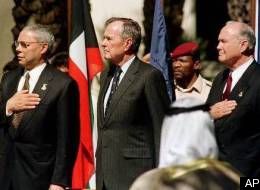
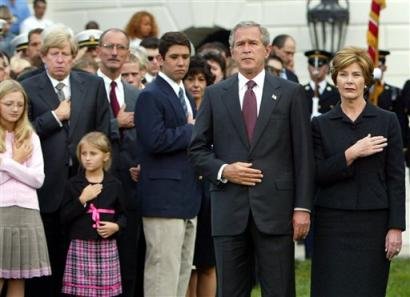
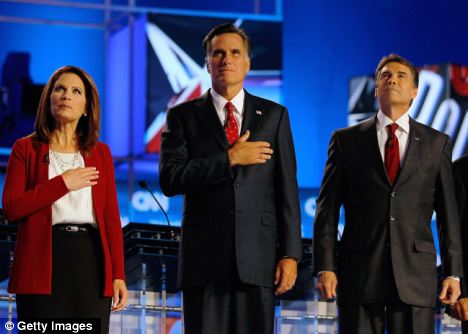
As I have stated several times in this thread, that photo is ONLY ONE EXAMPLE. No one has ever claimed that any of those men don't love their country. Why is that? Because they have stated so, many times. Actions speak louder than words and their actions show a love for country first. Obama 's actions since the beginning show a lack of affection for this country. Only an idiot wouldn't be able to see that.
I agree, actions speak louder than words. President Bush STATED he loves America, yet he had no problem sending AmericAN sons and daughters to their untimely death in a immoral war in Iraq. Bush STATED that he loves America, yet he had no problem undermining environmental laws that protect AmericANS from toxins and carcinogens.
President Obama has consistently worked to improve conditions for the working class in America. Just like every Democratic President...
"Harry Truman once said, 'There are 14 or 15 million Americans who have the resources to have representatives in Washington to protect their interests, and that the interests of the great mass of the other people - the 150 or 160 million - is the responsibility of the president of the United States, and I propose to fulfill it.'"
President John F. Kennedy
What a stooge you are. Bush stated that he lives America but because he didn't act like a Progressive, he must have been lying?
How can you be that ignorant and still be able to use a computer?
If not sending people to their untimely deaths means you are a progressive, what do you call someone who DOES?
Navigation
Install the app
How to install the app on iOS
Follow along with the video below to see how to install our site as a web app on your home screen.
Note: This feature may not be available in some browsers.
More options
Style variation
You are using an out of date browser. It may not display this or other websites correctly.
You should upgrade or use an alternative browser.
You should upgrade or use an alternative browser.
Republicans call Giuliani "stupidest of their party"
- Thread starter Delta4Embassy
- Start date

Borillar
Platinum Member
Yeah, Bush really loved his country. That's why he kept ******* it for 8 years.Here is just one of many:
lol.
Just another photo taken at a moment where Obama just removed his hand from his heart.
Love it.
Reminds me of the lapel-pin meme that people tried to use to show that Obama didn't love American. And then John McCain showed up at the 9-11 commemoration with Obama on 9-11-2008 without his lapel pin and Obama gave him one...
I must ask myself if Conservatives are REALLY this stupid...
Bull shit. What is he The Flash? The others have their hands on their hearts, obama doesn't. So either he never did it or he dropped his hand way early. It's an example of his distain for this country. It's just one example, you deny it EXACTLY like I predicted.
Another thing I'm right about, only an idiot cannot see that obama does not love this country.
Then Obama is not alone...
As I have stated several times in this thread, that photo is ONLY ONE EXAMPLE. No one has ever claimed that any of those men don't love their country. Why is that? Because they have stated so, many times. Actions speak louder than words and their actions show a love for country first. Obama 's actions since the beginning show a lack of affection for this country. Only an idiot wouldn't be able to see that.

Bfgrn
Gold Member
- Apr 4, 2009
- 16,829
- 2,496
- 245
You're the kind of person that...
you are the kind of person that elects a fool and America HATING muslime commie son-of-a-***** for a president, his mother was a |\|igger ******* commie whore, his white grandparents were full blown marxistS kinda like most shit-for-brains in N.Y.
 Giuliani and his like just give Democrats the ammunition to say.......This is how Republicans are
From the party who says things like Bush Lied People Died? Seriously? You think Guliani somehow crossed a line? You have no self awareness at all
How many American sons and daughters DIED in Iraq?
That liberals are the ones for the troops is just the product of the delusional, self rationalizing world that you live in
BULLSHIT you ******* brain dead moron.

Senate blocks huge vets benefits bill
A massive veterans legislative package that would have expanded a host of post-military benefits was sidelined Thursday after Senate Democratic backers failed to find enough support among their Republican colleagues.
A procedural motion to cut off debate and allow the bill to move to a floor vote fell short by four votes, with all but two Republicans voting along party lines. Bill sponsor Sen. Bernie Sanders, I-Vt., chairman of the Senate Veterans’ Affairs Committee, called the defeat a frustrating disappointment and vowed to find a way to guide the measure through Congress this year.
Throwing other people's money at a problem is somehow supposed to sound like something different for you?
You were for the war before you were against it. Then when our troops were in harms way you did everything you could to boost the morale of the enemy and tear ours down. You knee jerk believed every accusation against them. Now you use them again to pretend you give a shit about them. The military overwhelmingly knows what liars you are. You're just playing games, and again, they are just your pawns.
Being on the side of the troops is being on their side when it's not politically expedient, that you never did. I actually opposed the invasion, but I actually was on the side of our troops. You're just a liar who's morality and allegiance blows in the wind based on what's in your own, petty, selfish interest
Listen up you piece of shit... I fully SUPPORTED President Bush after 9/11 and going after bin Laden in Afghanistan. I vehemently opposed the invasion of Iraq. But I have always supported our troops, when they were in harms way and not getting properly armored vehicles and WHEN they come home. You right wing scum only give lip service to our troops. When they come home, SUDDENLY your ******* pockets are sewn shut. **** YOU you unpatriotic gas bag.
"We've got this thing that so many military believe that Republican administrations are good for the military. That is rarely the case. And, we have to get a message through to every soldier, every family member, every friend of soldiers that the Republican party, the Republican dominated Congress has absolutely been the worst thing that's happened to the United States Army and the United States Marine Corps."
Major General Paul D. Eaton

If not sending people to their untimely deaths means you are a progressive, what do you call someone who DOES?
What do you call someone who undercut the troops and bolstered the morale of their enemies? Progressives
Yeah, Bush really loved his country. That's why he kept ******* it for 8 years.Here is just one of many:
lol.
Just another photo taken at a moment where Obama just removed his hand from his heart.
Love it.
Reminds me of the lapel-pin meme that people tried to use to show that Obama didn't love American. And then John McCain showed up at the 9-11 commemoration with Obama on 9-11-2008 without his lapel pin and Obama gave him one...
I must ask myself if Conservatives are REALLY this stupid...
Bull shit. What is he The Flash? The others have their hands on their hearts, obama doesn't. So either he never did it or he dropped his hand way early. It's an example of his distain for this country. It's just one example, you deny it EXACTLY like I predicted.
Another thing I'm right about, only an idiot cannot see that obama does not love this country.
Then Obama is not alone...
As I have stated several times in this thread, that photo is ONLY ONE EXAMPLE. No one has ever claimed that any of those men don't love their country. Why is that? Because they have stated so, many times. Actions speak louder than words and their actions show a love for country first. Obama 's actions since the beginning show a lack of affection for this country. Only an idiot wouldn't be able to see that.
Yeah, he did, but unlike you he didn't do it on purpose
You're the kind of person that...
you are the kind of person that elects a fool and America HATING muslime commie son-of-a-***** for a president, his mother was a |\|igger ******* commie whore, his white grandparents were full blown marxistFrom the party who says things like Bush Lied People Died? Seriously? You think Guliani somehow crossed a line? You have no self awareness at all
How many American sons and daughters DIED in Iraq?
That liberals are the ones for the troops is just the product of the delusional, self rationalizing world that you live in
BULLSHIT you ******* brain dead moron.
Senate blocks huge vets benefits bill
A massive veterans legislative package that would have expanded a host of post-military benefits was sidelined Thursday after Senate Democratic backers failed to find enough support among their Republican colleagues.
A procedural motion to cut off debate and allow the bill to move to a floor vote fell short by four votes, with all but two Republicans voting along party lines. Bill sponsor Sen. Bernie Sanders, I-Vt., chairman of the Senate Veterans’ Affairs Committee, called the defeat a frustrating disappointment and vowed to find a way to guide the measure through Congress this year.
Throwing other people's money at a problem is somehow supposed to sound like something different for you?
You were for the war before you were against it. Then when our troops were in harms way you did everything you could to boost the morale of the enemy and tear ours down. You knee jerk believed every accusation against them. Now you use them again to pretend you give a shit about them. The military overwhelmingly knows what liars you are. You're just playing games, and again, they are just your pawns.
Being on the side of the troops is being on their side when it's not politically expedient, that you never did. I actually opposed the invasion, but I actually was on the side of our troops. You're just a liar who's morality and allegiance blows in the wind based on what's in your own, petty, selfish interest
Listen up you piece of shit... I fully SUPPORTED President Bush after 9/11 and going after bin Laden in Afghanistan. I vehemently opposed the invasion of Iraq. But I have always supported our troops, when they were in harms way and not getting properly armored vehicles and WHEN they come home. You right wing scum only give lip service to our troops. When they come home, SUDDENLY your ******* pockets are sewn shut. **** YOU you unpatriotic gas bag.
"We've got this thing that so many military believe that Republican administrations are good for the military. That is rarely the case. And, we have to get a message through to every soldier, every family member, every friend of soldiers that the Republican party, the Republican dominated Congress has absolutely been the worst thing that's happened to the United States Army and the United States Marine Corps."
Major General Paul D. Eaton
If you were actually for the troops, you would be stating that you weren't with the left who did all that rather than feigning indignation and not knowing what I am talking about. If you ever split from the left in any discussions on the board that might help your credibility too.
And funny how you military loving commies aren't able to convince the military of your love since they think overwhelmingly you are the party who undercuts and is against them
Bfgrn
Gold Member
- Apr 4, 2009
- 16,829
- 2,496
- 245
FDR was a progressive.Then Obama is not alone...
As I have stated several times in this thread, that photo is ONLY ONE EXAMPLE. No one has ever claimed that any of those men don't love their country. Why is that? Because they have stated so, many times. Actions speak louder than words and their actions show a love for country first. Obama 's actions since the beginning show a lack of affection for this country. Only an idiot wouldn't be able to see that.
I agree, actions speak louder than words. President Bush STATED he loves America, yet he had no problem sending AmericAN sons and daughters to their untimely death in a immoral war in Iraq. Bush STATED that he loves America, yet he had no problem undermining environmental laws that protect AmericANS from toxins and carcinogens.
President Obama has consistently worked to improve conditions for the working class in America. Just like every Democratic President...
"Harry Truman once said, 'There are 14 or 15 million Americans who have the resources to have representatives in Washington to protect their interests, and that the interests of the great mass of the other people - the 150 or 160 million - is the responsibility of the president of the United States, and I propose to fulfill it.'"
President John F. Kennedy
What a stooge you are. Bush stated that he lives America but because he didn't act like a Progressive, he must have been lying?
How can you be that ignorant and still be able to use a computer?
If not sending people to their untimely deaths means you are a progressive, what do you call someone who DOES?
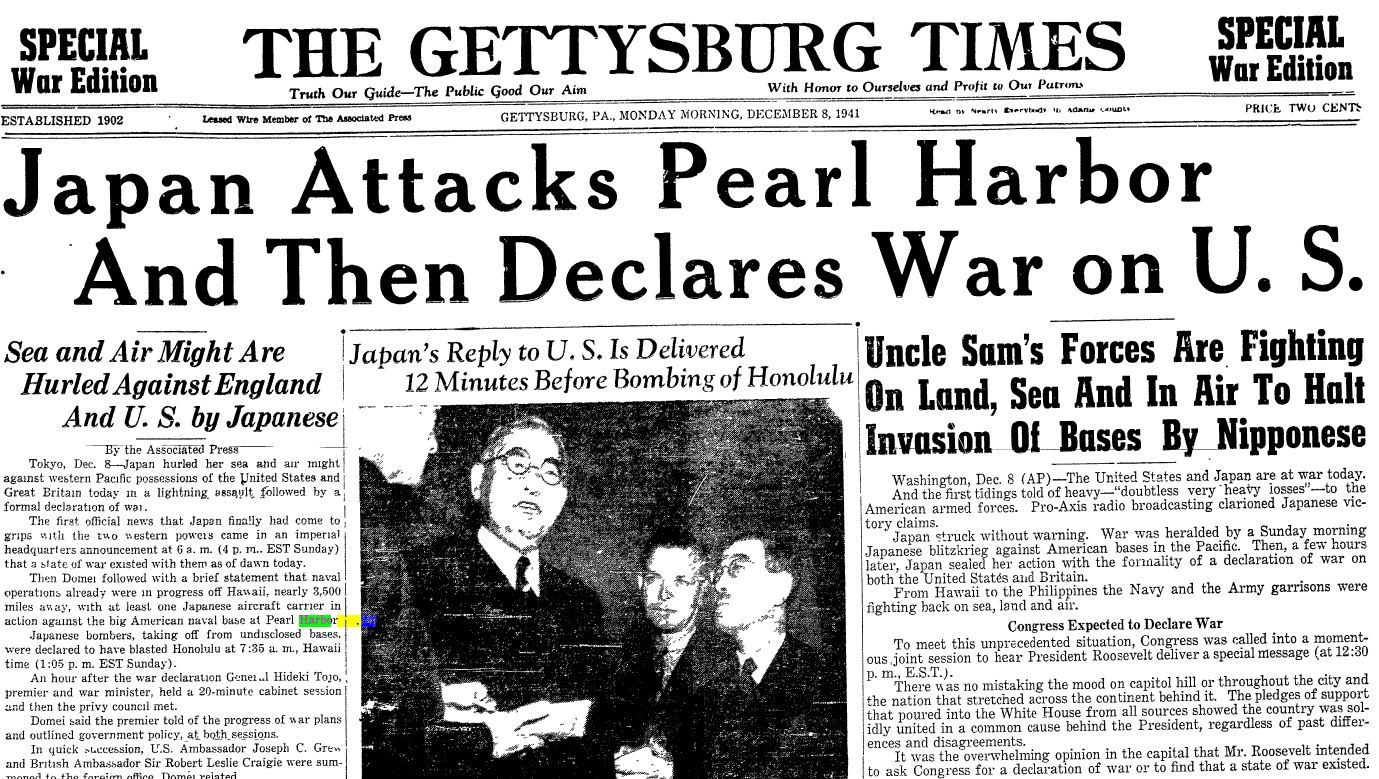
Yes he was...do you have a point?


LogikAndReazon
Gold Member
- Feb 21, 2012
- 5,351
- 670
- 190
You dont want to fundamentally transform something you love.
Something only a community organizing marxist would fail to grasp.
Socialism, Hope and Change Comrades !
Something only a community organizing marxist would fail to grasp.
Socialism, Hope and Change Comrades !
Bfgrn
Gold Member
- Apr 4, 2009
- 16,829
- 2,496
- 245
Remarks by President Obama at Strasbourg Town Hall The White HouseSo why does he constantly apologize? Why does he say America is guilty of arrogance?And if Obama actually did that you would be pointing out how Bush was worse.If Rudy Giuliani or some other right wing hack went of Faux news and said President Obama gets in his car every day and runs over children, I GUARANTEE the next day you ignorant pea brains would be on this board parroting those words and adding "Only an idiot wouldn't see it"
I don't question if Bush or any President loves this country. This whole thing is an insult to We, the People. President Obama loves America just as much as Bush or any other President.
Obama s remarks never a true apology PolitiFact

Note 18th paragraph.
Obama apologized for America. Obama blames America for many of the world's ills. Obama is anti American, which is how he was raised by leftist parents and teachers all his life. This isnt a shock.
Obama states FACTS...and DEFENDS America...
Remarks by President Obama at Strasbourg Town Hall The White House
"And the reckless speculation of bankers that has new fueled a global economic downturn that's inflicting pain on workers and families is happening everywhere all across the globe.
The economic crisis has proven the fact of our interdependence in the most visible way yet. Not more than a generation ago, it would have been difficult to imagine that the inability of somebody to pay for a house in Florida could contribute to the failure of the banking system in Iceland. Today what's difficult to imagine is that we did not act sooner to shape our future.
Now, there's plenty of blame to go around for what has happened, and the United States certainly shares its -- shares blame for what has happened. But every nation bears responsibility for what lies ahead, especially now, for whether it's the recession or climate change, or terrorism, or drug trafficking, poverty, or the proliferation of nuclear weapons, we have learned that without a doubt there's no quarter of the globe that can wall itself off from the threats of the 21st century.
The one way forward -- the only way forward -- is through a common and persistent effort to combat fear and want wherever they exist. That is the challenge of our time -- and we can not fail to meet it, together.
Now, we take for granted the peace of a Europe that's united, but for centuries Strasbourg has been attacked and occupied and claimed by the warring nations of this continent. Now, today in this city, the presence of the European Parliament and the Council of Europe stand as symbols of a Europe that is united peaceful and free. (Applause.)
Now, we take this peace and prosperity for granted, but this destination was not easily reached, nor was it predestined. The buildings that are now living monuments to European unity were not drawn from simple blueprints. They were born out of the blood of the first half of the 20th century and the resolve of the second. Men and women had to have the imagination to see a better future, and the courage to reach for it. Europeans and Americans had to have the sense of common purpose to join one another, and the patience and the persistence to see a long twilight struggle through.
It was 61 years ago this April that a Marshall Plan to rebuild Europe helped to deliver hope to a continent that had been decimated by war. Amid the ashes and the rubble that surrounded so many cities like this one, America joined with you in an unprecedented effort that secured a lasting prosperity not just in Europe, but around the world -- on both sides of the Atlantic.
One year later, exactly 60 years ago tomorrow, we ensured our shared security when 12 of our nations signed a treaty in Washington that spelled out a simple agreement: An attack on one would be viewed as an attack on all. Without firing a single shot, this Alliance would prevent the Iron Curtain from descending on the free nations of Western Europe. It would lead eventually to the crumbling of a wall in Berlin and the end of the Communist threat. Two decades later, with 28 member nations that stretched from the Baltic to the Mediterranean, NATO remains the strongest alliance that the world has ever known.
At the crossroads where we stand today, this shared history gives us hope -- but it must not give us rest. This generation cannot stand still. We cannot be content merely to celebrate the achievements of the 20th century, or enjoy the comforts of the 21st century; we must learn from the past to build on its success. We must renew our institutions, our alliances. We must seek the solutions to the challenges of this young century.
This is our generation. This is our time. And I am confident that we can meet any challenge as long as we are together. (Applause.)
Such an effort is never easy. It's always harder to forge true partnerships and sturdy alliances than to act alone, or to wait for the action of somebody else. It's more difficult to break down walls of division than to simply allow our differences to build and our resentments to fester. So we must be honest with ourselves. In recent years we've allowed our Alliance to drift. I know that there have been honest disagreements over policy, but we also know that there's something more that has crept into our relationship. In America, there's a failure to appreciate Europe's leading role in the world. Instead of celebrating your dynamic union and seeking to partner with you to meet common challenges, there have been times where America has shown arrogance and been dismissive, even derisive.
But in Europe, there is an anti-Americanism that is at once casual but can also be insidious. Instead of recognizing the good that America so often does in the world, there have been times where Europeans choose to blame America for much of what's bad.
On both sides of the Atlantic, these attitudes have become all too common. They are not wise. They do not represent the truth. They threaten to widen the divide across the Atlantic and leave us both more isolated. They fail to acknowledge the fundamental truth that America cannot confront the challenges of this century alone, but that Europe cannot confront them without America.
So I've come to Europe this week to renew our partnership, one in which America listens and learns from our friends and allies, but where our friends and allies bear their share of the burden. Together, we must forge common solutions to our common problems.
Bfgrn
Gold Member
- Apr 4, 2009
- 16,829
- 2,496
- 245
You dont want to fundamentally transform something you love.
Something only a community organizing marxist would fail to grasp.
Socialism, Hope and Change Comrades !
You certainly DO want to change what America has been transformed into by a failed (Reagan) revolution...a plutocracy.
That's just stupid, you're making it up. Reagan did no such thingYou dont want to fundamentally transform something you love.
Something only a community organizing marxist would fail to grasp.
Socialism, Hope and Change Comrades !
You certainly DO want to change what America has been transformed into by a failed (Reagan) revolution...a plutocracy.

PredFan
Diamond Member
Bull shit. What is he The Flash? The others have their hands on their hearts, obama doesn't. So either he never did it or he dropped his hand way early. It's an example of his distain for this country. It's just one example, you deny it EXACTLY like I predicted.
Another thing I'm right about, only an idiot cannot see that obama does not love this country.
Then Obama is not alone...
As I have stated several times in this thread, that photo is ONLY ONE EXAMPLE. No one has ever claimed that any of those men don't love their country. Why is that? Because they have stated so, many times. Actions speak louder than words and their actions show a love for country first. Obama 's actions since the beginning show a lack of affection for this country. Only an idiot wouldn't be able to see that.
I agree, actions speak louder than words. President Bush STATED he loves America, yet he had no problem sending AmericAN sons and daughters to their untimely death in a immoral war in Iraq. Bush STATED that he loves America, yet he had no problem undermining environmental laws that protect AmericANS from toxins and carcinogens.
President Obama has consistently worked to improve conditions for the working class in America. Just like every Democratic President...
"Harry Truman once said, 'There are 14 or 15 million Americans who have the resources to have representatives in Washington to protect their interests, and that the interests of the great mass of the other people - the 150 or 160 million - is the responsibility of the president of the United States, and I propose to fulfill it.'"
President John F. Kennedy
What a stooge you are. Bush stated that he lives America but because he didn't act like a Progressive, he must have been lying?
How can you be that ignorant and still be able to use a computer?
If not sending people to their untimely deaths means you are a progressive, what do you call someone who DOES?
Give it up man, you lost. Be a man and admit it and move on.

1stRambo
Gold Member
- Feb 8, 2015
- 6,221
- 1,025
- 255
Yo, Scarborough is a Left leaning wannabe on the worst channel in History! A man with BALLS speaks out truth, and he has to put his 2 cents in, he, Scarborough should change his "Party Affiliation" because of the way he acts and talks, trying to appease the Left on that show! I stand with Rudy for having Balls to speak his mind, unlike the other elites in the Party!!!
"GTP"
"GTP"
PredFan
Diamond Member
Yeah, Bush really loved his country. That's why he kept ******* it for 8 years.Here is just one of many:
lol.
Just another photo taken at a moment where Obama just removed his hand from his heart.
Love it.
Reminds me of the lapel-pin meme that people tried to use to show that Obama didn't love American. And then John McCain showed up at the 9-11 commemoration with Obama on 9-11-2008 without his lapel pin and Obama gave him one...
I must ask myself if Conservatives are REALLY this stupid...
Bull shit. What is he The Flash? The others have their hands on their hearts, obama doesn't. So either he never did it or he dropped his hand way early. It's an example of his distain for this country. It's just one example, you deny it EXACTLY like I predicted.
Another thing I'm right about, only an idiot cannot see that obama does not love this country.
Then Obama is not alone...
As I have stated several times in this thread, that photo is ONLY ONE EXAMPLE. No one has ever claimed that any of those men don't love their country. Why is that? Because they have stated so, many times. Actions speak louder than words and their actions show a love for country first. Obama 's actions since the beginning show a lack of affection for this country. Only an idiot wouldn't be able to see that.
According to an idiot lefty.
ZZZZZZzzzzzz......
There it is. Obama hates America.Remarks by President Obama at Strasbourg Town Hall The White HouseSo why does he constantly apologize? Why does he say America is guilty of arrogance?And if Obama actually did that you would be pointing out how Bush was worse.
I don't question if Bush or any President loves this country. This whole thing is an insult to We, the People. President Obama loves America just as much as Bush or any other President.
Obama s remarks never a true apology PolitiFact
Note 18th paragraph.
Obama apologized for America. Obama blames America for many of the world's ills. Obama is anti American, which is how he was raised by leftist parents and teachers all his life. This isnt a shock.
Obama states FACTS...and DEFENDS America...
Remarks by President Obama at Strasbourg Town Hall The White House
. In America, there's a failure to appreciate Europe's leading role in the world. Instead of celebrating your dynamic union and seeking to partner with you to meet common challenges, there have been times where America has shown arrogance and been dismissive, even derisive.
.

edthecynic
Censored for Cynicism
- Oct 20, 2008
- 43,044
- 6,888
- 1,830
St Ronnie destroyed the American middle class. No one hated America more than Reagen, not even his protege OBL.That's just stupid, you're making it up. Reagan did no such thingYou dont want to fundamentally transform something you love.
Something only a community organizing marxist would fail to grasp.
Socialism, Hope and Change Comrades !
You certainly DO want to change what America has been transformed into by a failed (Reagan) revolution...a plutocracy.
PredFan
Diamond Member
St Ronnie destroyed the American middle class. No one hated America more than Reagen, not even his protege OBL.That's just stupid, you're making it up. Reagan did no such thingYou dont want to fundamentally transform something you love.
Something only a community organizing marxist would fail to grasp.
Socialism, Hope and Change Comrades !
You certainly DO want to change what America has been transformed into by a failed (Reagan) revolution...a plutocracy.
So much stupidity compressed into so few words! I appreciate economy in a writing style. Bravo!

Stephanie
Diamond Member
- Jul 11, 2004
- 70,230
- 10,874
- 2,040
You see how they twist and lie about things so they can beat all of you who are Republicans over the head?
Giuliani isn't in government, hasn't been in government for some time yet, it's the Republican party's fault for what he says
you people in the country keep falling for shit and it will be at your peril
Giuliani isn't in government, hasn't been in government for some time yet, it's the Republican party's fault for what he says
you people in the country keep falling for shit and it will be at your peril
PredFan
Diamond Member
You see how they twist and lie about things so they can beat all of you who are Republicans over the head?
Giuliani isn't in government, hasn't been in government for some time yet, it's the Republican party's fault for what he says
you people in the country keep falling for shit and it will be at your peril
No one is falling for it, except them. In a week no one will be talking about this.
Stephanie
Diamond Member
- Jul 11, 2004
- 70,230
- 10,874
- 2,040
You see how they twist and lie about things so they can beat all of you who are Republicans over the head?
Giuliani isn't in government, hasn't been in government for some time yet, it's the Republican party's fault for what he says
you people in the country keep falling for shit and it will be at your peril
No one is falling for it, except them. In a week no one will be talking about this.
they'll be milking this as long as they can. and with the NewyakSlimes and WashingtonCompost leading them around like little sheep. it seems, they print it and tell their sheep who reads their nasty rag........to baaaAAA it around and they do
It's party over country for them. and this bs that Obama can't be "criticized" while he's faking it as a President. that didn't stop the left with protesting, marches, carrying signs calling him BushHilter, crashing Senate hearings with posters calling Rove a liar and charging SOS condi Rice with fake blood on their hands and all of this while we were at war with boots on the ground in IRAQ. and I could go on all day but why bother


Similar threads

- Replies
- 22
- Views
- 235


- Replies
- 39
- Views
- 453


- Replies
- 23
- Views
- 450


- Replies
- 15
- Views
- 229


- Replies
- 388
- Views
- 3K

New Topics
-
 NYC: Finally a tiny punishment for such heinous crimes by Islamic Republic
- Started by Pastelli
- Replies: 0
-

-

-
-


