On 14 May, 18 researchers published a letter in
Science1 arguing that the idea of the coronavirus SARS-CoV-2 leaking from a lab in China must be explored more deeply. It points out that the first phase of a COVID-19 origins investigation sponsored by the WHO,
which released a report in March, focused more on the virus coming from an animal than on its potential escape from a lab. For example,
the report mapped a large market in Wuhan, China, and stated that most samples of SARS-CoV-2 recovered there by investigators were found around stalls that sold animals. Many virologists say that this focus is warranted, because most emerging infectious diseases begin with a spillover from nature, as seen with HIV, Zika and Ebola.
Genomic evidence also suggests that a virus similar to SARS-CoV-2 originated in horseshoe bats (
Rhinolophus spp.), before spreading to an unknown animal that then passed the pathogen to people.
Allegations that COVID escaped from a Chinese lab make it harder for nations to collaborate on ending the pandemic — and fuel online bullying, some scientists say.

www.nature.com
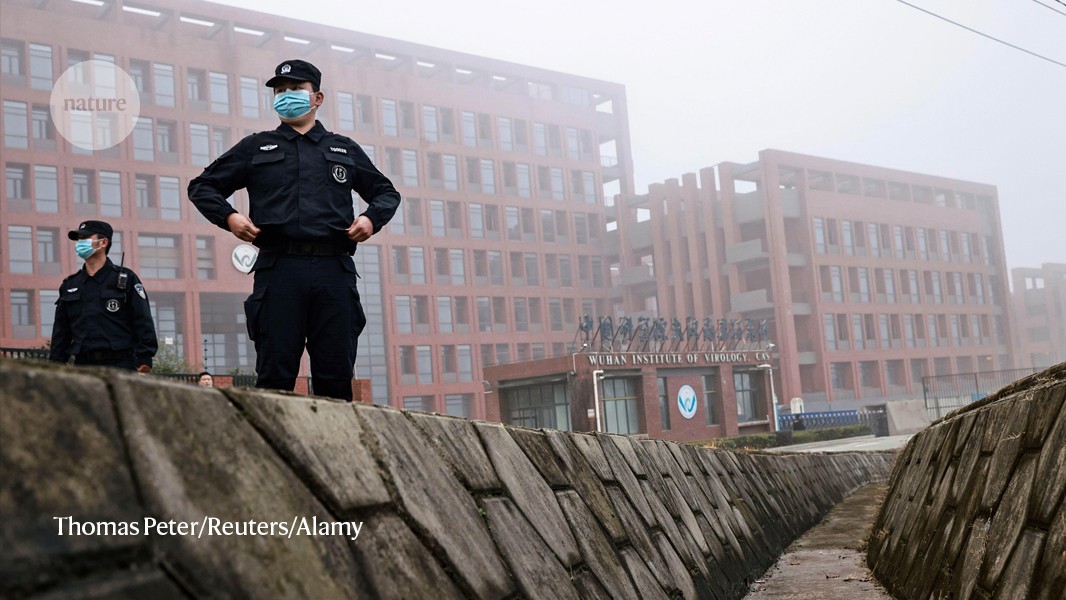
The investigation concluded that an animal origin was much more likely than a lab leak. But since then, politicians, journalists, talk-show hosts and some scientists have put forward unsubstantiated claims linking the coronavirus to the Wuhan Institute of Virology (WIV), in the Chinese city where COVID-19 was first detected. Some members of US Congress and the media have gone further, alleging that the Chinese government is covering up a SARS-CoV-2 leak from the WIV, and even that Anthony Fauci, director of the US National Institute of Allergy and Infectious Diseases (NIAID), is involved, because NIAID funded some studies at the WIV. The WIV and Fauci have denied this, saying that they did not encounter SARS-CoV-2 until after the virus was isolated from patients in late December 2019
2.
Even if the letter in
Science was well intentioned, its authors should have thought more about how it would feed into the divisive political environment surrounding this issue, says Angela Rasmussen, a virologist at the University of Saskatchewan in Saskatoon, Canada.
The lead author of the letter, David Relman, a microbiologist at Stanford University in California, still feels it’s important to voice his opinion — and says he can’t stop it from being misrepresented. “I am not saying I believe the virus came from a laboratory,” he says. Rather, he says that the authors of the WHO investigation report were too decisive in their conclusions. He suggests that the investigators might have called the natural-origins hypothesis “appealing” instead of “highly likely”, and that they should have written that they didn't have enough information to draw a conclusion about a leak. Investigators toured the WIV and questioned researchers there, but were not given primary data.