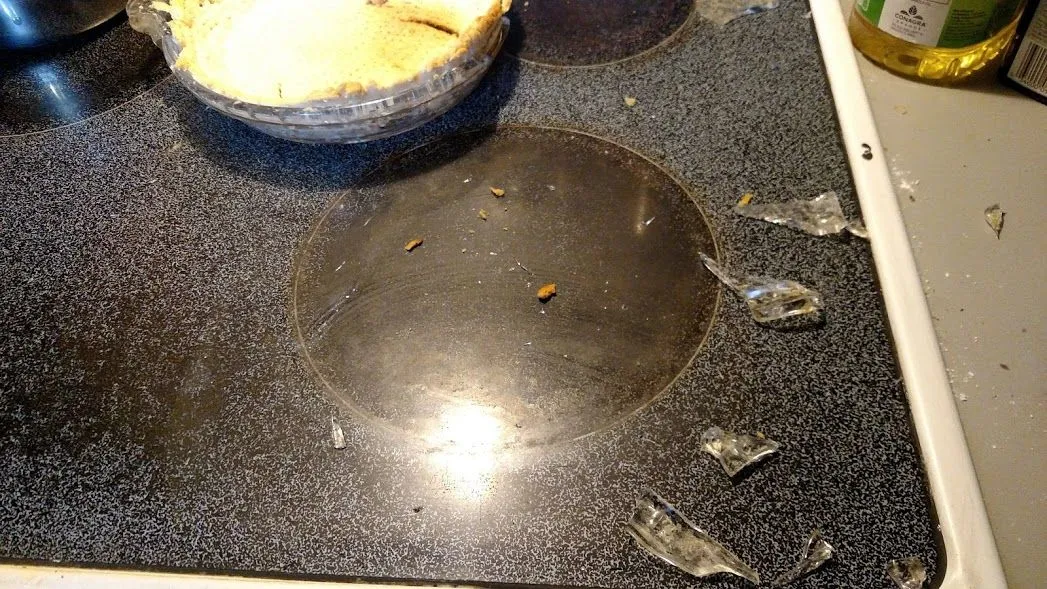
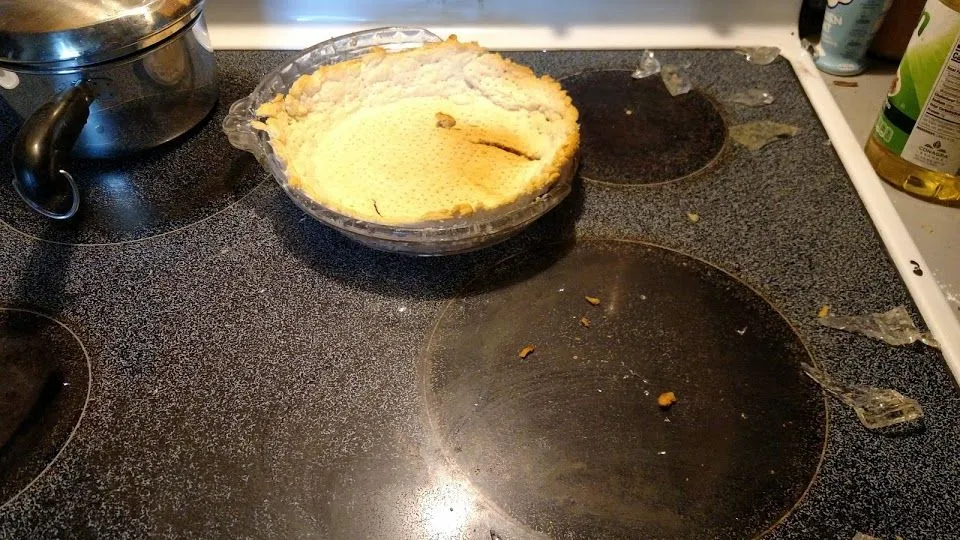
Why Pyrex Shatters:
Pyrex is made of glass. When glass changes temperature rapidly it can undergo “thermal shock.”
The text book definition of thermal shock is: “Stress produced in a body or in a material as a result of undergoing a sudden change in temperature.”
When a Pyrex bowl is heated or cooled rapidly, different parts of the bowl expand or contract by different amounts, causing stress. If the stress is too extreme, the bowl’s structure will fail, causing a spectacular shattering effect.
The main way to avoid this effect is to
be mindful of how quickly you change the temperature of Pyrex. Stove tops and broilers conduct heat quickly, and will likely cause the bowls to fail. Taking a bowl directly from the freezer and putting it into a hot oven might also trigger breakage.
Are Pyrex Bowls Dangerous?
Maybe. Pyrex bowls were originally made of something called
borosilicate glass, which is very resistant to thermal shock. Currently, Pyrex is made of
soda-lime glass, presumably as a cost-cutting measure, as
soda-lime glass is very inexpensive. Also, Pyrex is no longer made by the original manufacturer, and is essentially a brand name, rather than a material.
What Now?
The Pyrex website makes no mention of a change in materials, and does not specify what type of glass is used in their products. They claim: “PYREX
glassware products can go directly from refrigerator or freezer to a microwave, convection, or preheated conventional oven.”
Since Pyrex is no longer made of the same special thermal shock resistant glass, one should take extra care when using it. Do not place Pyrex on your stove top. Do not change its temperature rapidly, regardless of what the website says. Pyrex, in its current incarnation, should be treated more like any other piece of glass. —MEGHANN MARCO
Why Pyrex Bowls "Explode"
came outta the oven ....to the dry warm stove top and blew up....