
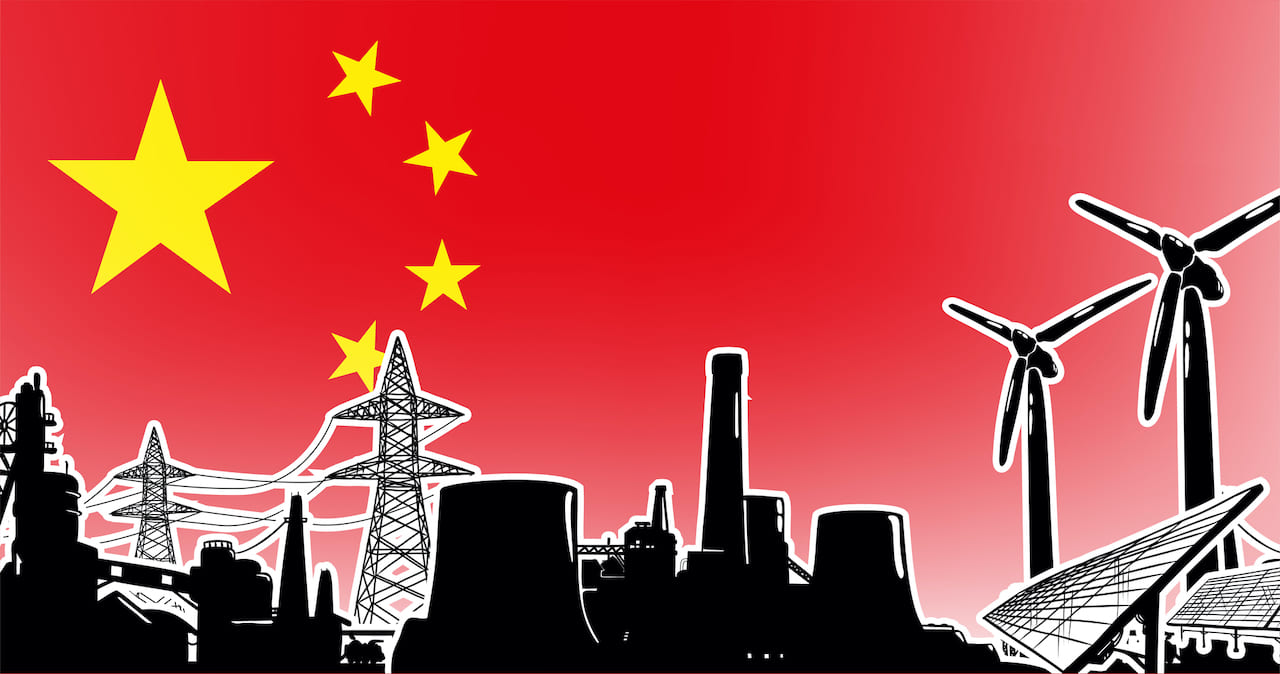
You have an insider in China?China is installing more renewables than the rest of the world combined;
Follow along with the video below to see how to install our site as a web app on your home screen.
Note: This feature may not be available in some browsers.
You have an insider in China?China is installing more renewables than the rest of the world combined;

Funny they brag about all of their coal plant openings.You have an insider in China?
 www.rinnovabili.net
You don't even claim to be a climate expert yet here you go acting as if you are.There are plenty of climate experts with decades of research that can be called on for expertise. And almost all agree we are headed for climatic catastrophe.

You don't even claim to be a climate expert yet here you go acting as if you are.

China is installing more renewables than the rest of the world combined;
"In 2022, China installed roughly as much solar capacity as the rest of the world combined, then doubled additional solar in 2023."

How China Became the World’s Leader on Renewable Energy
China has achieved stunning growth in its installed renewable capacity over the last two decades, far outpacing the rest of the world. But to end its continued dependence on fossil fuels, it must now move ahead with planned reforms to its national electricity system.e360.yale.edu
CO2 is excellent for plant life.That will mean something when they stop emitting CO2.
CO2 is excellent for plant life.

You don't even claim to be a climate expert yet here you go acting as if you are.
Hey Stoopid!!
Using denier Boobtubes instead of real Data?
AI Overview
Canada's Arctic ice is a critical component of the country's northern environment and is undergoing significant changes due to climate change
.
Here's a breakdown of key aspects:
1. Types of Ice:
2. Sea Ice Decline:
- First-year ice: This ice forms during the winter and melts completely during the summer.
- Multi-year ice: This ice survives the summer melt and can become very thick over time. It is typically found in the Arctic Ocean and the Canadian Arctic Archipelago.
- Glacier ice: This land-based ice flows into the ocean as glaciers and icebergs.
3. Regional Variations:
- Rapid Decrease: Sea ice in the Canadian Arctic is decreasing at an alarming rate.
[*]Summer Sea Ice Area: The summer sea ice area in Northern Canadian Waters reached a low of 0.74 million square kilometers in 2024.
[*]Rate of Decline: Between 1968 and 2024, the summer sea ice area declined at a rate of 7.2% per decade.- Projected Ice-Free Summers: Arctic waters could be nearly ice-free in the summer by the 2050s, according to projections.
4. Impacts of Sea Ice Change:
- Canadian Arctic Archipelago, Beaufort Sea, and Kane Basin: These regions tend to have a mix of multi-year and first-year ice and usually retain some ice cover even in the summer.
- Hudson Bay, Hudson Strait, Davis Strait, and the Northern Labrador Sea: These sub-regions of the Hudson Bay domain are typically free of sea ice during the summer.
5. Research and Adaptation:
- Indigenous Communities: Decreasing sea ice makes travel across the ice less predictable and more dangerous, affecting hunting and traditional activities.
- Coastal Erosion and Flooding: Shorelines are becoming more exposed to waves and storm surges, leading to increased erosion and flooding.
- Ocean Mammals: Changes in sea ice affect ocean mammals that rely on it for habitat and hunting.
- Increased Shipping and Industrial Activity: Reduced sea ice is opening up new opportunities for shipping, tourism, and resource exploration.
- Risks and Challenges: Increased activity in the Arctic brings new risks, including accidents and spills, in a harsh and changing environment.
In Conclusion:
- Monitoring Sea Ice Thickness: New technologies and community-based systems like SmartICE are being used to monitor and share information on sea ice thickness.
- Adapting to Shorter Shipping Routes: Industries, such as mining, are exploring the potential of shorter shipping routes and longer shipping seasons due to reduced ice cover.
Canada's Arctic ice is undergoing rapid and dramatic changes, particularly the decline in sea ice. These changes have significant implications for the environment, Indigenous communities, and economic activities in the region.
`
So a normal interglacial period except it's 2C cooler with 26 ft shallower seas even with 120 ppm more CO2.Hey Stoopid!!
Using denier Boobtubes instead of real Data?
AI Overview
Canada's Arctic ice is a critical component of the country's northern environment and is undergoing significant changes due to climate change
.
Here's a breakdown of key aspects:
1. Types of Ice:
2. Sea Ice Decline:
- First-year ice: This ice forms during the winter and melts completely during the summer.
- Multi-year ice: This ice survives the summer melt and can become very thick over time. It is typically found in the Arctic Ocean and the Canadian Arctic Archipelago.
- Glacier ice: This land-based ice flows into the ocean as glaciers and icebergs.
3. Regional Variations:
- Rapid Decrease: Sea ice in the Canadian Arctic is decreasing at an alarming rate.
[*]Summer Sea Ice Area: The summer sea ice area in Northern Canadian Waters reached a low of 0.74 million square kilometers in 2024.
[*]Rate of Decline: Between 1968 and 2024, the summer sea ice area declined at a rate of 7.2% per decade.- Projected Ice-Free Summers: Arctic waters could be nearly ice-free in the summer by the 2050s, according to projections.
4. Impacts of Sea Ice Change:
- Canadian Arctic Archipelago, Beaufort Sea, and Kane Basin: These regions tend to have a mix of multi-year and first-year ice and usually retain some ice cover even in the summer.
- Hudson Bay, Hudson Strait, Davis Strait, and the Northern Labrador Sea: These sub-regions of the Hudson Bay domain are typically free of sea ice during the summer.
5. Research and Adaptation:
- Indigenous Communities: Decreasing sea ice makes travel across the ice less predictable and more dangerous, affecting hunting and traditional activities.
- Coastal Erosion and Flooding: Shorelines are becoming more exposed to waves and storm surges, leading to increased erosion and flooding.
- Ocean Mammals: Changes in sea ice affect ocean mammals that rely on it for habitat and hunting.
- Increased Shipping and Industrial Activity: Reduced sea ice is opening up new opportunities for shipping, tourism, and resource exploration.
- Risks and Challenges: Increased activity in the Arctic brings new risks, including accidents and spills, in a harsh and changing environment.
In Conclusion:
- Monitoring Sea Ice Thickness: New technologies and community-based systems like SmartICE are being used to monitor and share information on sea ice thickness.
- Adapting to Shorter Shipping Routes: Industries, such as mining, are exploring the potential of shorter shipping routes and longer shipping seasons due to reduced ice cover.
Canada's Arctic ice is undergoing rapid and dramatic changes, particularly the decline in sea ice. These changes have significant implications for the environment, Indigenous communities, and economic activities in the region.
`
How are you stoopid?Hey Stoopid!!

some idiot named abu disagrees. but what I posted is 100% factual.plus, every windmill requires tons of concrete for its base and 50 gallons of oil for lubrication (which sometimes leaks into the ground)
Wind Turbines are the newest and best Cash Crop for Midwest/Plains states farmers and ranchers. It doesn't just lower the cost of power per KWH, but generates income for those farmers, counties, states, and Federal income taxes.some idiot named abu disagrees. but what I posted is 100% factual.
One city in China produces more CO2 than all of CanadaHey Stoopid!!
Using denier Boobtubes instead of real Data?
AI Overview
Canada's Arctic ice is a critical component of the country's northern environment and is undergoing significant changes due to climate change
.
Here's a breakdown of key aspects:
1. Types of Ice:
2. Sea Ice Decline:
- First-year ice: This ice forms during the winter and melts completely during the summer.
- Multi-year ice: This ice survives the summer melt and can become very thick over time. It is typically found in the Arctic Ocean and the Canadian Arctic Archipelago.
- Glacier ice: This land-based ice flows into the ocean as glaciers and icebergs.
3. Regional Variations:
- Rapid Decrease: Sea ice in the Canadian Arctic is decreasing at an alarming rate.
[*]Summer Sea Ice Area: The summer sea ice area in Northern Canadian Waters reached a low of 0.74 million square kilometers in 2024.
[*]Rate of Decline: Between 1968 and 2024, the summer sea ice area declined at a rate of 7.2% per decade.- Projected Ice-Free Summers: Arctic waters could be nearly ice-free in the summer by the 2050s, according to projections.
4. Impacts of Sea Ice Change:
- Canadian Arctic Archipelago, Beaufort Sea, and Kane Basin: These regions tend to have a mix of multi-year and first-year ice and usually retain some ice cover even in the summer.
- Hudson Bay, Hudson Strait, Davis Strait, and the Northern Labrador Sea: These sub-regions of the Hudson Bay domain are typically free of sea ice during the summer.
5. Research and Adaptation:
- Indigenous Communities: Decreasing sea ice makes travel across the ice less predictable and more dangerous, affecting hunting and traditional activities.
- Coastal Erosion and Flooding: Shorelines are becoming more exposed to waves and storm surges, leading to increased erosion and flooding.
- Ocean Mammals: Changes in sea ice affect ocean mammals that rely on it for habitat and hunting.
- Increased Shipping and Industrial Activity: Reduced sea ice is opening up new opportunities for shipping, tourism, and resource exploration.
- Risks and Challenges: Increased activity in the Arctic brings new risks, including accidents and spills, in a harsh and changing environment.
In Conclusion:
- Monitoring Sea Ice Thickness: New technologies and community-based systems like SmartICE are being used to monitor and share information on sea ice thickness.
- Adapting to Shorter Shipping Routes: Industries, such as mining, are exploring the potential of shorter shipping routes and longer shipping seasons due to reduced ice cover.
Canada's Arctic ice is undergoing rapid and dramatic changes, particularly the decline in sea ice. These changes have significant implications for the environment, Indigenous communities, and economic activities in the region.
`
Wind Turbines are the newest and best Cash Crop for Midwest/Plains states farmers and ranchers. It doesn't just lower the cost of power per KWH, but generates income for those farmers, counties, states, and Federal income taxes.
Previoulsly linked
""...2024 is not expected to be a good year for farms, with the U.S. Department of Agriculture forecasting a 25% downturn in profits.
But some farmers in Iowa have planted something new in the ground to offset their losses: wind turbines.
Evie Haupt, 75, has Three of them working the land year-round on her 160-acre farm in Central Iowa. She says the turbines bring in about $35,000 per year, which Increases Each year with Inflation.
For struggling farmers, that's made the difference between keeping the family farm and losing it as agriculture becomes more unstable due to climate change. Each turbine takes up Less than an Acre, leaving plenty of farmable land left.
Haupt says the money generated by the wind turbines has helped her chip away at $350,000 in farm debts left over after the death of her husband a decade ago, bringing down the total debt to $67,000.
Two decades ago, there were just a few hundred wind turbines in Iowa. Now there are more than 6,000 that produce about 60% of the state's energy, according to the U.S. Energy Information Administration.
[......] ""
`
Abu Afak is very windy.It doesn't just lower the cost of power per KWH,
Where does it lower the cost?
Wind and solar installations numbers can easily be verified by satellite. I see no one contesting these numbers. How effectively that are transmitting that electricity to where it is needed is another story.You have an insider in China?
And, I think, you are made stupid by your MAGAt ideology.Abu Afak is very windy.
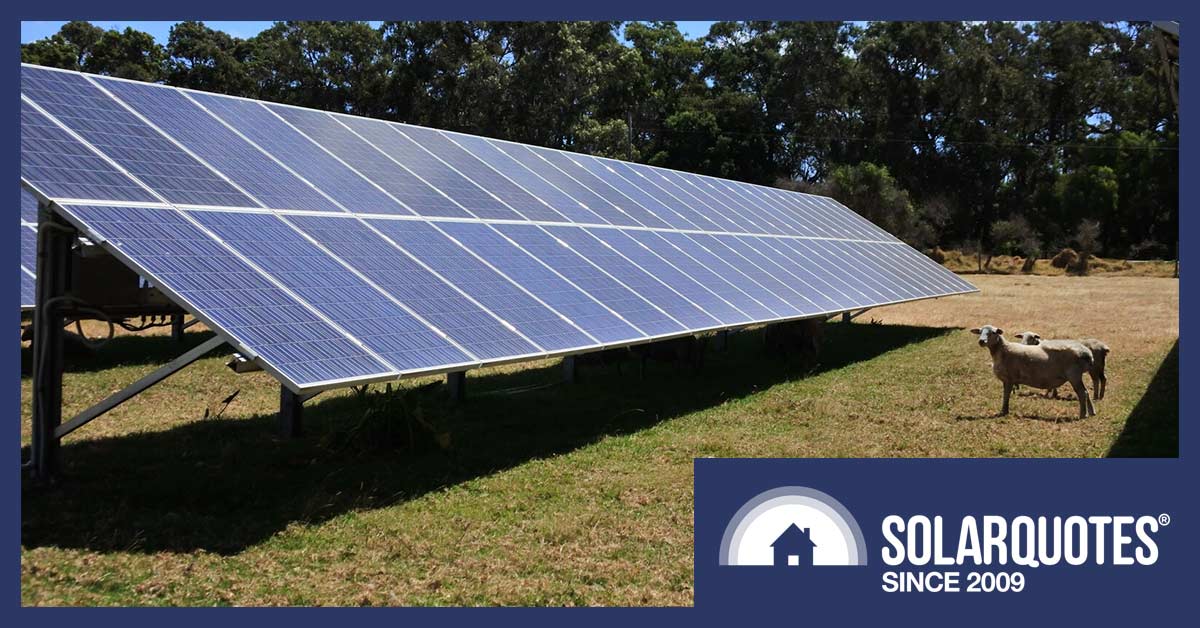
Well, here is an area that is well ahead of us in installation and use of renewables and storage. South Australia.It doesn't just lower the cost of power per KWH,
Where does it lower the cost?
 www.solarquotes.com.au
You don't think.And, I think, you are made stupid by your MAGAt ideology.


