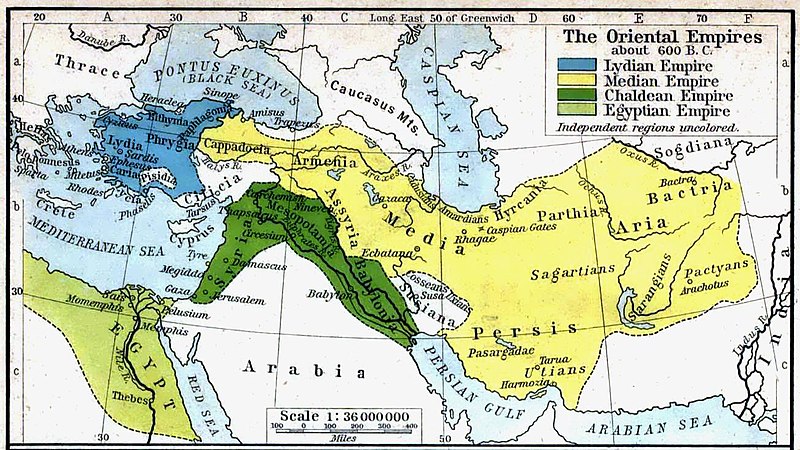
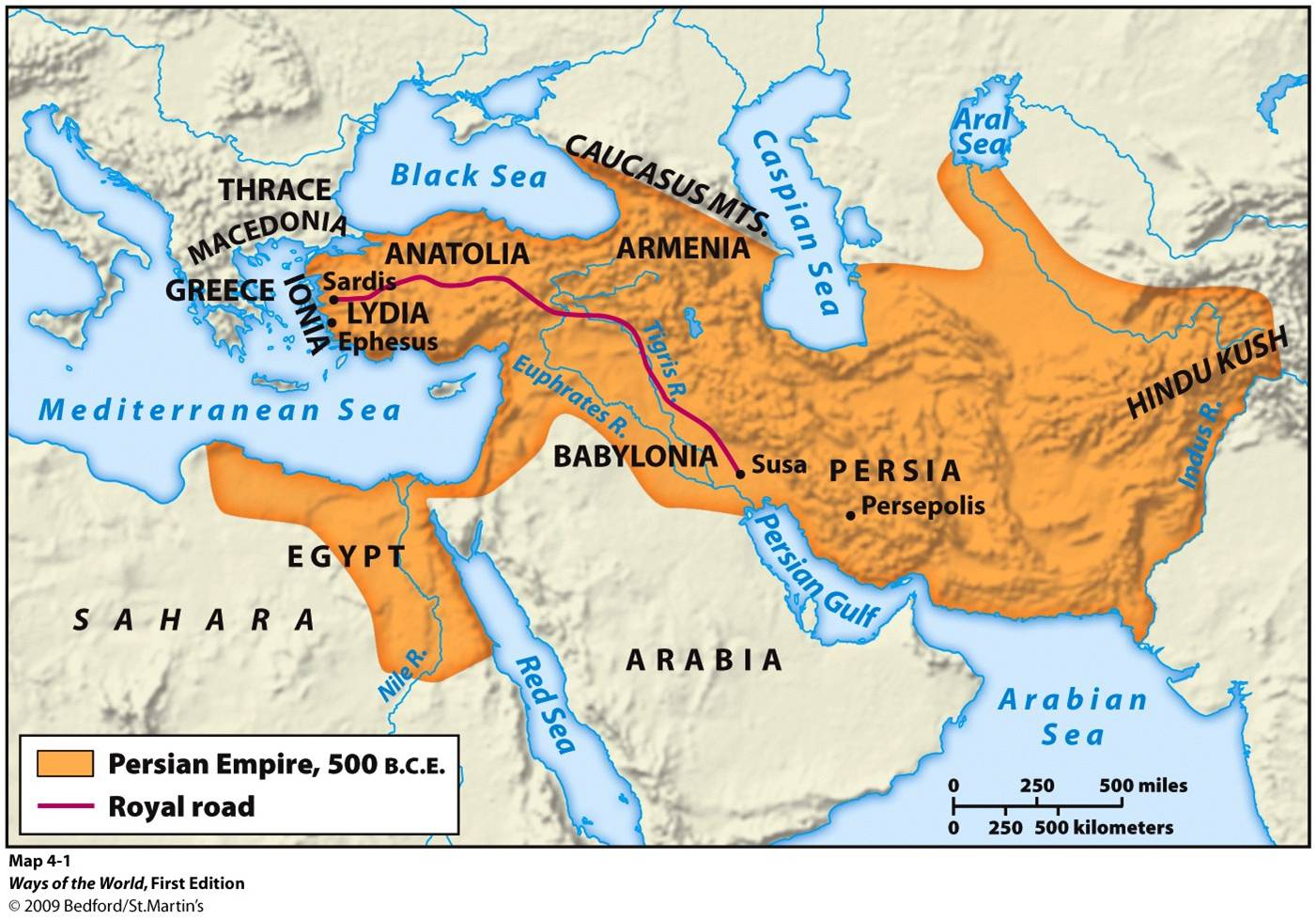
Persians ran the Persian empire. Kurds are a separate ethnic group. Jesus Christ you are stupid.
Iran does mean land of the Aryans. The White Race came from Iran and the Caucasus, hence why we are called Caucasians.
Aryan comes from the Sanskrit word Arya, meaning noble, which first came from the rigvedas.
Not only are you a dumb ass shabbos goy, you don't know shit about history. The Persian Empire didn't come about until the 8th Century BC, long after the rigvedas were written around 1700-1100 BC.
The Sanskrit comes from the Kurds you ignorant illiterate Nazi dipshit. If you ever talk to a Kurd they will tell you their language and culture are the closest to the real Aryans. They have ancient Kurdish literature and poems about their Aryan heritage. You need to venture out of the library in your neo Nazi trailer park. Kurds used to rule ancient Persia you dummkopf. LOL
No it doesn't. Sanskrit existed before Kurdish. Sanskrit is the oldest of the indo-iranian languages of the indo-european language family, Kurdish is a younger member of that language family.The closest related language to Sanskrit is Ancient Persian. Whatever your Kurdish "friends" are telling you, they are wrong.
Cyrus, Darius, and Xerxes were all Persians you fool, not Kurds.
Look, going from posting gifs and posts with ALL CAPS to pretending you know something about the history of the indus valley or indo-european languages makes you look more stupid than you did before. Just stick to your zio-trolling with annoying pictures.
Now listen up you Fargen Nazi Icehole-man. I am going to give you an education on this subject you will have never gotten in your trailer park, and free of charge.
Pay attention you ADD asshole, nobody said the Persians and the Kurds were the same people. Kurds (well technically at the time they weren't called "Kurds") were part of a people that lived in that multi ethnic region in ancient times. In many instances they even mixed with Persians who were in essence of Fars ancestry, hence the language of Iran being Farsi.
The Kurdish people, or Kurds (Kurdish: کورد, Kurd), are an ethnic group in Western Asia, mostly inhabiting a region known as Kurdistan, which includes adjacent parts of Iran, Iraq, Syria, and Turkey.
They are an Iranian people and speak the Kurdish languages, which are members of the Iranian branch of Indo-European languages.
Unlike in other Kurdish-populated countries, there are strong ethnolinguistical and cultural ties between Kurds, Persians and others as Iranian peoples. Some of modern Iranian dynasties like Safavids and Zands are considered to be partly of Kurdish origin. Kurdish literature in all of its forms (Kurmanji, Sorani and Gorani) has been developed within historical Iranian boundaries under strong influence of Persian language. Fact that Kurds share much of their history with the rest of Iran is seen as reason why Kurdish leaders in Iran do not want a separate Kurdish state.
The Kurds as an ethnic group appear in the medieval period. The Kurdish people are believed to be of heterogenous origins combining a number of earlier tribal or ethnic groups[50] including Median.
According to Minorsky there is an "ethno-geographical identification" of
present day Kurds as descendent of ancient Medes, an idea based on his "historical, linguistic, and philological" arguments.[69] This was further advanced by I. Gershevitch who provided first "a piece of linguistic confirmation" of Minorsky's identification and then another "sociolinguistic" argument.
In the 10th-12th centuries, a number of Kurdish principalities and dynasties were founded, ruling Kurdistan and neighbouring areas:
The Shaddadid (951–1174) ruled parts of present-day Armenia and Arran.
The Rawadid (955–1221) ruled
Azerbaijan. (as in ancient Persia)
The Hasanwayhids (959–1015)
ruled western Iran and upper Mesopotamia.
The Marwanids (990–1096) ruled eastern Anatolia.
The Annazids (990–1117)
ruled western Iran and upper Mesopotamia (succeeded the Hasanwayhids).
The Kakuyids (1008–1051)
ruled Isfahan, Yazd and Abarkuh.
The Hazaraspids (1148–1424)
ruled southwestern Iran.
The Ayyubids (1171–1341) ruled parts of southeastern Anatolia, the Arabian Peninsula and North Africa.
After the fall of the Safavids, Iran fell into civil war, with multiple leaders trying to gain control over the country. Ultimately, it was
Karim Khan, a Laki general of the Zand tribe (perhaps of Kurdish origin)One of the contenders for power was Karim Khan Zand, a member of the Lak tribe near Shiraz. who proved to be superiour, and
became ruler of Iran with the exception of the Khorasan region.
The Safavid Dynasty, established in 1501, also established its rule over Kurdish territories.
The paternal line of this family actually had Kurdish roots, tracing back to Firuz-Shah Zarrin-Kolah, a dignitary who moved from Kurdistan to Ardabil in the 11th century