Anna was born in
Lawrence in
Douglas County in eastern
Kansas,
[1] one of eight children of James C. and Rebekah McDoulet. When Anna was four years old, the family moved to
Coyville in
Wilson County, in southeastern Kansas. Anna worked as a hotel dishwasher and performed other odd jobs. When she was twelve, the family moved to the
Otoe Reservation near
Skiatook north of
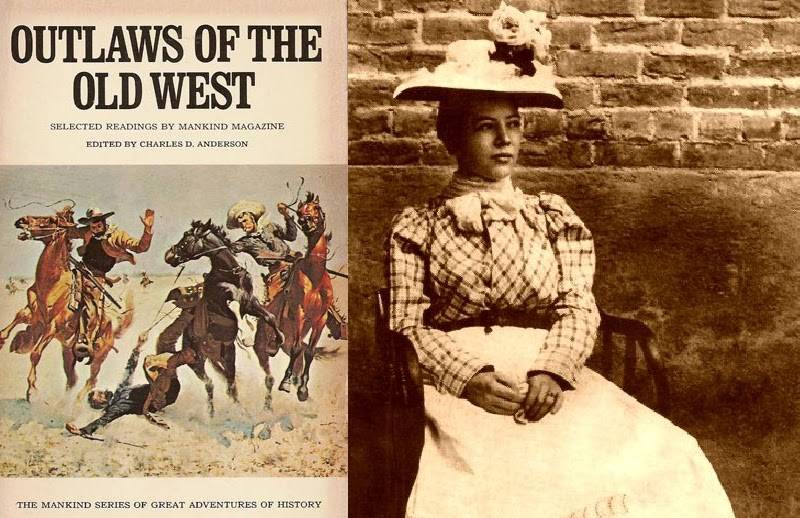
Tulsa in the northern Oklahoma Territory, where she turned outlaw. Annie and Little Britches followed tales of the
Bill Doolin gang from reading
dime novelists like
Ned Buntline, who became famous for his mostly fictional account of
Buffalo Bill Cody as a western frontier hero and showman.
[3]
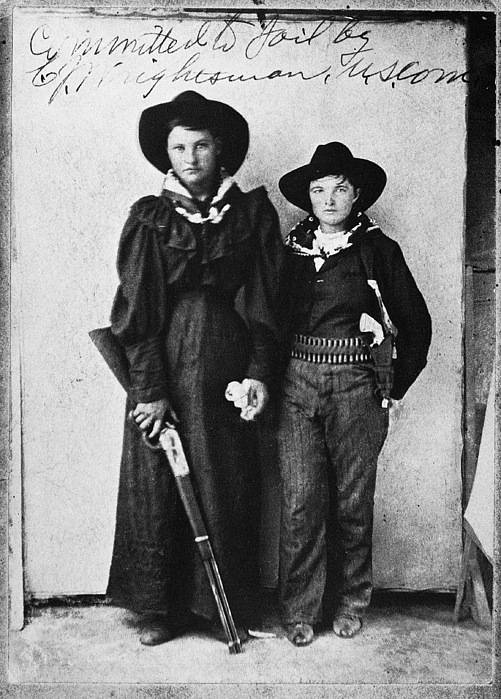
For two years, Cattle Annie and Little Britches roamed the former Indian Territory, often working together and at other times alone. They stole horses, sold alcohol to the
Osage and
Pawnee Indians, and warned outlaw gangs whenever law-enforcement officers were nearby. They wore men's clothing and packed pistols on their hips. Their adventures netted headlines from
Guthrie, the capital of the former Oklahoma Territory, to
Coffeyville in southeastern Kansas,
[3] where the
Dalton gang attempted to rob two banks simultaneously on October 5, 1892.
[4]
U.S. Marshal Steve Burke captured 13-year-old Cattle Annie climbing from a window in 1895. (Marshal
Bill Tilghman had a more difficult task apprehending Little Britches, who engaged in a physical confrontation with the famous lawman before he took her into custody.
[5]) Annie was sentenced to one year in the
Massachusetts Correctional Institution in
Framingham. Because of health issues, she was soon paroled. She remained in Framingham for some time, having informed corrections officers that, if she returned to Oklahoma, she would likely have fallen back into her criminal ways. In 1898, she was working as a housekeeper for Mrs. Mary Daniels in
Sherborn in
Middlesex County south of Framingham. A few months later, she may have moved to
New York City, where she may have died of
tuberculosis.
[3]