His sacrifice is done and over with. "It is finished", final curtain. There is no "continuing" sacrifice.Every Roman Catholic and Eastern Orthodox parish uses wine and specially-baked bread. There are rules for both and they can't be substituted. In EO parishes, typically the priest's wife bakes the bread herself.
It's not just a ritual in memory of the Last Supper. It's the continuing sacrifice of our Lord.
Navigation
Install the app
How to install the app on iOS
Follow along with the video below to see how to install our site as a web app on your home screen.
Note: This feature may not be available in some browsers.
More options
Style variation
You are using an out of date browser. It may not display this or other websites correctly.
You should upgrade or use an alternative browser.
You should upgrade or use an alternative browser.
Zone1 Early Christians believed that the bread and wine used in the Eucharist were transformed into the body and blood of Christ
- Thread starter ding
- Start date

Meriweather
Not all who wander are lost
- Oct 21, 2014
- 22,617
- 5,041
- 165
Because it was Passover, the bread loaves must be made without yeast or baking powder. In my last parish I signed up to do this. It was unleavened bread, not "substitute bread".Kind of odd though to get the wine part right, but still have to substitute bread to represent the flesh part of the scripture.

- Thread starter
- #423
No one said there is. Apparently you lack faith in Christ.His sacrifice is done and over with. "It is finished", final curtain. There is no "continuing" sacrifice.
- Thread starter
- #424
You think it's the same thing here because that's what you want it to be but Christ was very specific about it. So was Paul. So were the first Christians.I know what He meant. The fact is, she was confused and He didn't go into detail what He meant, and ultimately she just accepted Him. I think it's the same thing here. He didn't mean we were to consume his body and blood and didn't go into detail to explain to the people what He meant. Based on what He said elsewhere, it's clear He was speaking spiritually.
Now, are you consuming His pre or post resurrection body?
Matthew 26:26–28
26 Now as they were eating, Jesus took bread, and after blessing it broke it and gave it to the disciples, and said, “Take, eat; this is my body.” 27 And he took a cup, and when he had given thanks he gave it to them, saying, “Drink of it, all of you, 28 for this is my blood of the covenant, which is poured out for many for the forgiveness of sins.
Luke 22:19–20
19 And he took bread, and when he had given thanks, he broke it and gave it to them, saying, “This is my body, which is given for you. Do this in remembrance of me.” 20 And likewise the cup after they had eaten, saying, “This cup that is poured out for you is the new covenant in my blood."
1 Corinthians 11:26-27
“For as often as you eat this bread and drink the cup, you proclaim the Lord’s death until he comes. Whoever, therefore, eats the bread or drinks the cup of the Lord in an unworthy manner will be guilty of profaning the body and blood of the Lord”
John 6: 53-56
53 Jesus said to them, “Amen, amen, I say to you, unless you eat the flesh of the Son of Man and drink his blood, you do not have life within you. 54 Whoever eats my flesh and drinks my blood has eternal life, and I will raise him on the last day. 55 For my flesh is true food, and my blood is true drink. 56 Whoever eats my flesh and drinks my blood remains in me and I in him.
- Thread starter
- #425
He didn't specify that and it's only relevant to you because you want to re-write scripture.Now, are you consuming His pre or post resurrection body?
Matthew 26:26–28
26 Now as they were eating, Jesus took bread, and after blessing it broke it and gave it to the disciples, and said, “Take, eat; this is my body.” 27 And he took a cup, and when he had given thanks he gave it to them, saying, “Drink of it, all of you, 28 for this is my blood of the covenant, which is poured out for many for the forgiveness of sins.
Luke 22:19–20
19 And he took bread, and when he had given thanks, he broke it and gave it to them, saying, “This is my body, which is given for you. Do this in remembrance of me.” 20 And likewise the cup after they had eaten, saying, “This cup that is poured out for you is the new covenant in my blood."
1 Corinthians 11:26-27
“For as often as you eat this bread and drink the cup, you proclaim the Lord’s death until he comes. Whoever, therefore, eats the bread or drinks the cup of the Lord in an unworthy manner will be guilty of profaning the body and blood of the Lord”
John 6: 53-56
53 Jesus said to them, “Amen, amen, I say to you, unless you eat the flesh of the Son of Man and drink his blood, you do not have life within you. 54 Whoever eats my flesh and drinks my blood has eternal life, and I will raise him on the last day. 55 For my flesh is true food, and my blood is true drink. 56 Whoever eats my flesh and drinks my blood remains in me and I in him.
- Thread starter
- #426
I'm pretty sure you intended to make things personal a long time ago, but this isn't personal for me. It seems you want to make up scripture too. Because your explanations are bullshit. Maybe pray on it. Ignore scripture. I don't care but don't try to pretend like you honor scripture because I haven't seen that from you.Ding, if you want to make this personal, then I have to tell you that you don't know me well enough to determine my degree of faith, so I'll give it to you. I believe that there isn't anything that Jesus Christ can't do. He is the Alpha and the Omega, and every thing that was created He created. He created blood. He can turn water into fine wine and wine into chicken soup if He wanted to.
When men sat down to eat back then, they didn't drink milk or water etc., they drank wine, every day. And ate bread.
If the point of the act was to drink blood and eat someone's flesh daily, where were they getting it, after Christ died? Or did He want them to remember His death/sacrifice daily when they drank their wine and ate their bread?
Paul admonished the Corinthians because they were just eating bread and drinking wine, which made it just another meal without it representing the Lord's sacrifice. And as you can see in the verse, they were using actual bread and actual wine to represent the body and the blood of Christ. Just like we do now.
There are several instances in the Bible that says NOT to drink blood, and to pour it out on the ground like water. It was prohibited to consume it.
And the remarks Jesus made at the last supper is one of the times in the Bible that is actually using symbolism.
- Thread starter
- #427
Maybe take it up with Jesus? Because he didn't say, "take, eat; this is a symbol of my body." He said, "take, eat; this IS my body."Kind of odd though to get the wine part right, but still have to substitute bread to represent the flesh part of the scripture.
Matthew 26:26–28
26 Now as they were eating, Jesus took bread, and after blessing it broke it and gave it to the disciples, and said, “Take, eat; this is my body.” 27 And he took a cup, and when he had given thanks he gave it to them, saying, “Drink of it, all of you, 28 for this is my blood of the covenant, which is poured out for many for the forgiveness of sins.
Luke 22:19–20
19 And he took bread, and when he had given thanks, he broke it and gave it to them, saying, “This is my body, which is given for you. Do this in remembrance of me.” 20 And likewise the cup after they had eaten, saying, “This cup that is poured out for you is the new covenant in my blood."

The Irish Ram
LITTLE GIRL / Ram Tough
Yes, there was no time for the dough to rise. The bread is what we substitute for Christ's flesh. And the wine represents the blood He shed.Because it was Passover, the bread loaves must be made without yeast or baking powder. In my last parish I signed up to do this. It was unleavened bread, not "substitute bread".
Ding, the bread and the wine at the Last Supper, was bread and wine. Jesus did not turn the wine into blood and tell them to drink it. He did not turn the bread into pieces of flesh. The disciples would have been horrified. Keep in mind that this conversation took place before Jesus' body was ripped to shreds and His blood poured out of His body.
They understood the next day...
- Thread starter
- #429
I was pretty surprised that one of the arguments I heard was that I shouldn't be reading the NT literally because I don't read Genesis literally. I'm willing to bet that The Irish Ram and hadit believe that the great flood really did cover the entire surface of the planet and God really did kill everyone except eight people. Or that God really did form 2 people from clay and everyone on the planet is descended from those two original people.
Am I close? Because if you do believe those things then why do you think it is impossible for Jesus to turn bread into flesh and wine into blood? Didn't Jesus turn water into wine? Didn't Jesus control the wind and the sea? Didn't Jesus heal disease and deformities? Didn't Jesus raise the dead?
So why can't you take Jesus at his word? Why can't you recognize the first Christians did take Jesus at his word? What is it that you do not understand?
Am I close? Because if you do believe those things then why do you think it is impossible for Jesus to turn bread into flesh and wine into blood? Didn't Jesus turn water into wine? Didn't Jesus control the wind and the sea? Didn't Jesus heal disease and deformities? Didn't Jesus raise the dead?
So why can't you take Jesus at his word? Why can't you recognize the first Christians did take Jesus at his word? What is it that you do not understand?
- Thread starter
- #430
It may have looked like bread and wine but it IS his body and blood. Why do you doubt him? He didn't say these thing represent my body and blood he said these things ARE my body and blood.Ding, the bread and the wine at the Last Supper, was bread and wine. Jesus did not turn the wine into blood and tell them to drink it. He did not turn the bread into pieces of flesh. The disciples would have been horrified. Keep in mind that this conversation took place before Jesus' body was ripped to shreds and His blood poured out of His body.
They understood the next day...
Are you suggesting that Jesus is incapable of turning bread and wine into his body and blood and make it still look like bread and wine? Do you think Jesus was lying? Did he not choose his words correctly? Because he didn't give you that option. He let disciples walk away that were repulsed by his command. If it was a bad choice of words he would have said, woah guys, I meant that symbolically. Don't go. So he didn't give you that option.
The Irish Ram
LITTLE GIRL / Ram Tough
Funny how you believe none of it, but all of a sudden you take blood and flesh literally.believe that the great flood really did cover the entire surface of the planet and God really did kill everyone except eight people. Or that God really did form 2 people from clay and everyone on the planet is descended from those two original people.
No, You're way off. I already told you there isn't anything Christ can't do. And you just turned that completely around. That is dishonest.Am I close? Because if you do believe those things then why do you think it is impossible for Jesus to turn bread into flesh and wine into blood
Do you take Jesus at His word?
"For as Jonah was three days and three nights in the belly of a huge fish, so the Son of Man will be three days and three nights in the heart of the earth".
Meriweather
Not all who wander are lost
- Oct 21, 2014
- 22,617
- 5,041
- 165
This is where Catholic and Orthodox differ. There is no substitution; transubstantiation takes place. A question for you and hadit : Why does it matter to you what other denominations do? If other denominations wish to eat bread drink wine/grape juice, in memory of Jesus, I don't care. It doesn't bother me in the least. It is the rite they chose.Yes, there was no time for the dough to rise. The bread is what we substitute for Christ's flesh. And the wine represents the blood He shed.
Why does it bother you and hadit that the Catholic and Orthodox churches maintained Apostolic teaching and early Church traditions? Does it bother you that Islam teaches one should pray, facing Mecca, five times a day? And do you enter Muslim threads telling Muslims they should stop doing this?
The Irish Ram
LITTLE GIRL / Ram Tough
We use Welchs Grape Juice and wafers. And I'm not one bit bothered. I do feel it necessary to dispel the myth that they were actually drinking blood and cutting off pieces of Christ's flesh to eat at the Last Supper. That is just bizarre.
Last edited:
Meriweather
Not all who wander are lost
- Oct 21, 2014
- 22,617
- 5,041
- 165
Or, is it bizarre that it's one miracle some Christians have no faith that Jesus can implement. Manna--no problem; the Bread of the Presence becoming holy--no problem. But Jesus feeding us with his own body, blood, and divinity--no way. Was it a miracle that Jesus returned Jairus' daughter to life, or do you believe she wasn't really dead? How about the widow's son? Lazarus? Did Jesus really walk on water? Did he feed five thousand with a few loaves and fish? Did he cure people who had leprosy? Bring sight to the blind? Should faith go that far, but no further?We use Welchs Grape Juice and wafers. And I'm not one bit bothered. I do feel it necessary to dispel the myth that they were actually drinking blood and cutting off pieces of Christ's flesh to eat at the Last Supper. That is just bizarre.
Those interested may want to do a bit of light research on Carlo Acutis. He died (2006) of leukemia when he was fifteen. He documented Eucharistic miracles around the world.
- Thread starter
- #435
No. It's funny that you read accounts that are obviously allegorical literally and read literal accounts allegorically.Funny how you believe none of it, but all of a sudden you take blood and flesh literally.
What next? Are you going to deny the miracles performed by Christ? Was that just symbolic too? Because if you accept Jesus turning water into wine, controlling nature, healing deformities and sicknesses and bringing the dead back to life, then why do reject this miracle? Especially since he told it to you in plain language. What did he say? If you do not eat the flesh of the son of man and drink his blood then you have no life in you. That seems pretty important to me.
- Thread starter
- #436
So you are saying it is possible he could turn bread into his flesh and wine into his blood and make them look like bread and wine?No, You're way off. I already told you there isn't anything Christ can't do. And you just turned that completely around. That is dishonest.
Do you take Jesus at His word?
"For as Jonah was three days and three nights in the belly of a huge fish, so the Son of Man will be three days and three nights in the heart of the earth".
You are almost there. Don't his words make more sense now? Or do you still believe the flesh IS of avail?
The Irish Ram
LITTLE GIRL / Ram Tough
No. It can't be that, because we know what Jesus can do. It isn't that He CAN'T turn wine into blood. It is that He DIDN'T turn the wine into blood, on that occasion or any other occasion in the Bible. Jesus Christ is a Jewish Priest who knows NOT to drink blood. How many don't do it scriptures do you need before you understand that Jesus did not tell the disciples to drink blood and eat flesh and think of Him when they often did it?Or, is it bizarre that it's one miracle some Christians have no faith that Jesus can implement
Deuteronomy 12:23: "Only be careful not to eat the blood, for the blood is the life, and you shall not eat the life with the flesh.
^
And yet you think that Jesus told them to do both.
In every instance relating to the event, actual wine was used in place of blood and bread was used in place of flesh. That is what they did often. They ate bread and drank wine. It is what the disciples used, Paul used, the Corinthians used, what we use today. There was no cannibalism at the Last Supper.
Genesis 9:4 is the first instance of the prohibition against eating blood in the Bible. It is given to Noah and all his descendants, establishing a universal prohibition against consuming blood. It is covered again in Deut. and Leviticus.
Acts 15:29 Don't do it.
Jesus asked them to remember the blood He was about to shed and the flesh that was about to be ripped off of His body, whenever/as often as, they drank wine and ate bread.
Last edited:
The Irish Ram
LITTLE GIRL / Ram Tough
Jesus Christ could turn wine into chicken soup if He wanted. The point is, He didn't serve the disciples blood, and he didn't cut pieces of his flesh masquerading as bread.. Do you think He was trying to trick the disciples into drinking blood because He made it look like wine? And the bread was really pieces of his flesh that he made look like bread? Do you think the disciples were fooled?So you are saying it is possible he could turn bread into his flesh and wine into his blood and make them look like bread and wine?
You are almost there. Don't his words make more sense now? Or do you still believe the flesh IS of avail?
It is all about remembrance.
And yet it is you that doesn't believe that any of the stories in the Bible are literal, except the one thing that actually is symbolic.No. It's funny that you read accounts that are obviously allegorical literally and read literal accounts allegorically.
Was Jonah and the big fish story an allegory?
Last edited:
Did you not read what I was responding to? Go back and do that, then come back.No one said there is. Apparently you lack faith in Christ.

/---/ We Catholics still believe it.It's true. Early Christians believed that the bread and wine used in the Eucharist were transformed into the body and blood of Christ.
The Real Presence is taught by St. Paul. “For as often as you eat this bread and drink the cup, you proclaim the Lord’s death until he comes. Whoever, therefore, eats the bread or drinks the cup of the Lord in an unworthy manner will be guilty of profaning the body and blood of the Lord” (1 Corinthians 11:26-27).
The Real Presence was taught by the twelve apostles. “Let no one eat and drink of your Eucharist but those baptized in the name of the Lord; to this, too the saying of the Lord is applicable: ‘Do not give to dogs what is sacred” (Teaching of the Twelve Apostles, or Didache, 9:5).
The Real Presence was upheld by early Christians.
It was upheld by St. Ignatius of Antioch in the first century: “Consider how contrary to the mind of God are the heterodox in regard to the grace of God which has come to us . . . They abstain from the Eucharist and from prayer, because they do not admit that the Eucharist is the flesh of our Savior Jesus Christ, the flesh which suffered for our sins and which the Father, in His graciousness, raised from the dead.” (St. Ignatius of Antioch, Letter to the Smyrnaeans, circa 90 AD).
It was upheld by St. Justin Martyr in the second century: “This food we call the Eucharist, of which no one is allowed to partake except one who believes that the things we teach are true, and has received the washing for forgiveness of sins and for rebirth, and who lives as Christ handed down to us. For we do not receive these things as common bread or common drink; but as Jesus Christ our Savior being incarnate by God’s Word took flesh and blood for our salvation, so also we have been taught that the food consecrated by the Word of prayer which comes from him, from which our flesh and blood are nourished by transformation, is the flesh and blood of that incarnate Jesus” (St. Justin Martyr, First Apology, circa 150 AD).
It was upheld by St. Clement of Alexandria in the third century: “The one, the Watered Wine, nourishes in faith, while the other, the Spirit, leads us on to immortality. The union of both, however, – of the drink and of the Word, – is called the Eucharist, a praiseworthy and excellent gift. Those who partake of it in faith are sanctified in body and in soul. By the will of the Father, the divine mixture, man, is mystically united to the Spirit and to the Word” (St. Clement of Alexandria, The Instructor of the Children, circa 202 AD).
It was upheld by St. Cyril of Jerusalem in the fourth century: “Since then He Himself has declared and said of the Bread, (This is My Body), who shall dare to doubt any longer? And since He has affirmed and said, (This is My Blood), who shall ever hesitate, saying, that it is not His blood?” (St. Cyril of Jerusalem, Catechetical Lectures, circa 350 AD).
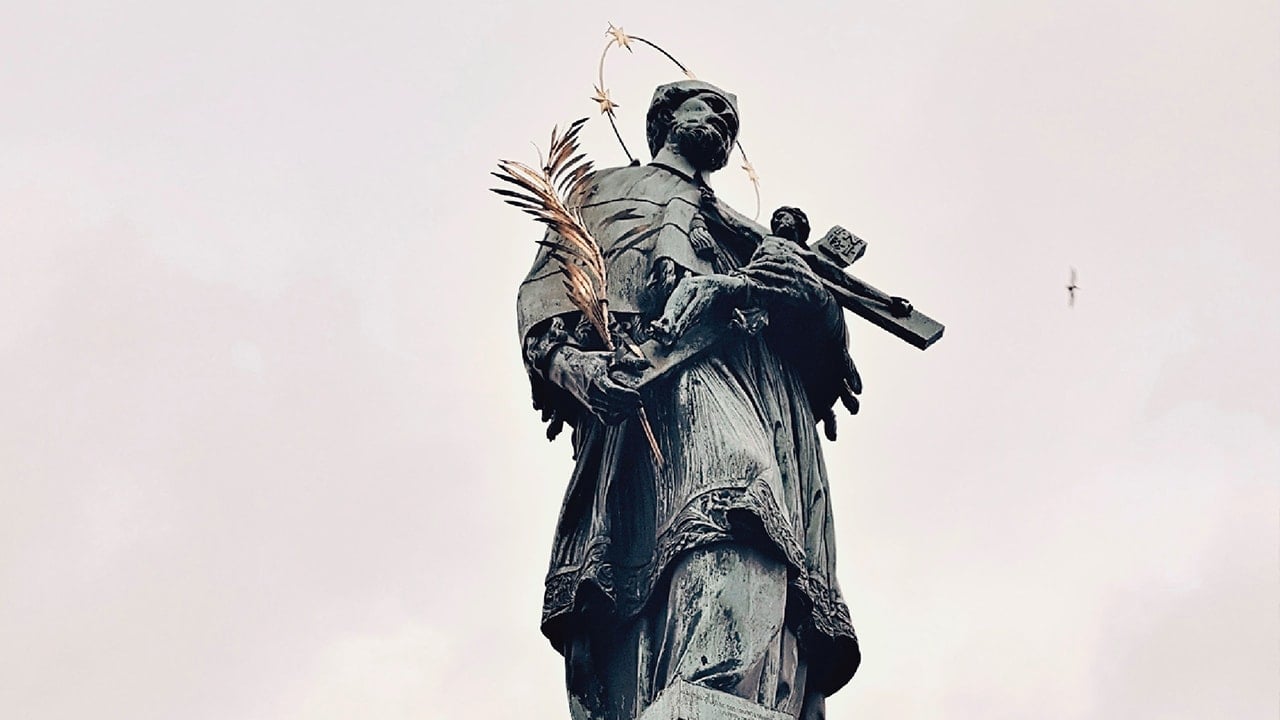
Early Church Fathers Upholding Transubstantiation in Their Own Words
Transubstantiation, wherein bread and wine change into the Body and Blood of Christ in the eucharist has been part of Catholicism since the very beginning..www.magiscenter.com
Similar threads


- Replies
- 6
- Views
- 322


- Replies
- 1
- Views
- 724


New Topics
-
Death by Hanging for This Respiratory Therapist, I Say
- Started by MostBoringManInTheWorld
- Replies: 0
-
 Rep Tom McClintock Exposes Deadly Sanctuary Policies in Explosive Hearing
- Started by Doc7505
- Replies: 0
-
-
-

Latest Discussions
-

-
 Iran kills 500 people after trump warns them not to. Trump wags a stern finger
- Latest: Captain Caveman

