Navigation
Install the app
How to install the app on iOS
Follow along with the video below to see how to install our site as a web app on your home screen.
Note: This feature may not be available in some browsers.
More options
Style variation
You are using an out of date browser. It may not display this or other websites correctly.
You should upgrade or use an alternative browser.
You should upgrade or use an alternative browser.
Apparently we really need a "debate" over the term ICE AGE because y'all are all wrong...
- Thread starter EMH
- Start date

HikerGuy83
Diamond Member
- Dec 26, 2021
- 21,897
- 17,262
- 2,288
Blah blah blah blah blah blah blah blah blah......There is no point since you know you cannot refute one word.

Toddsterpatriot
Diamond Member
Parroting CO2 FRAUD BS as a "faux skeptic" again, you've been completely refuted already...
durr..
CO2 FRAUD is 100% about getting science invalids to believe planet Earth warms and cools as a whole. That conclusion was completely blown out of the water by the fact that Greenland froze while North America thawed during the past 1 million years.
The "interglacial" is part of CO2 FRAUD's attempt to mislead on that issue.
The last interglacial...
- EMH
- Replies: 16
- Forum: Environment

You refuted that the most recent glacial maximum ended 21,000 years ago?
LOL!

EMH
Diamond Member
- Apr 5, 2021
- 32,917
- 19,279
- 2,788
- Thread starter
- #385
You refuted that the most recent glacial maximum ended 21,000 years ago?
LOL!
Funny you bring that up. The vikings were farming on the southern tip of Greenland until 1400, meaning 21000 years ago there was no ice at all on the southern tip, supposedly a "maximum."
That's the 7% data point, it has gotten LARGER and the ICE CORES prove it grew a new ice layer EVERY YEAR including 21000 years ago...
The 90% from Antarctica has also grown 21,000 new ice layers since 21,000 years ago, meaning the "maximum" is COMPLETELY REFUTED by 97% of Earth ice, nice....
Toddsterpatriot
Diamond Member
Funny you bring that up. The vikings were farming on the southern tip of Greenland until 1400, meaning 21000 years ago there was no ice at all on the southern tip, supposedly a "maximum."
That's the 7% data point, it has gotten LARGER and the ICE CORES prove it grew a new ice layer EVERY YEAR including 21000 years ago...
The 90% from Antarctica has also grown 21,000 new ice layers since 21,000 years ago, meaning the "maximum" is COMPLETELY REFUTED by 97% of Earth ice, nice....
The vikings were farming on the southern tip of Greenland until 1400, meaning 21000 years ago there was no ice at all on the southern tip, supposedly a "maximum."
No, you moron, North America.
How far did North America move between the maximum, ~21,000 years ago and the time the ice sheets retreated to their current locations?
Toddsterpatriot
Diamond Member
for North America was 50 million years ago according to North American Ice Age.
There was less ice on Antarctica and Greenland than today, and the ice cores prove it.
Try to focus, for once, moron.
21,000 years ago, ice sheets covered large parts of Illinois.
Now there are no ice sheets in Illinois.
What was the magic movement of NA that melted all that ice.
Post your math.
EMH
Diamond Member
- Apr 5, 2021
- 32,917
- 19,279
- 2,788
- Thread starter
- #389
21,000 years ago, ice sheets covered large parts of Illinois.
Now there are no ice sheets in Illinois.
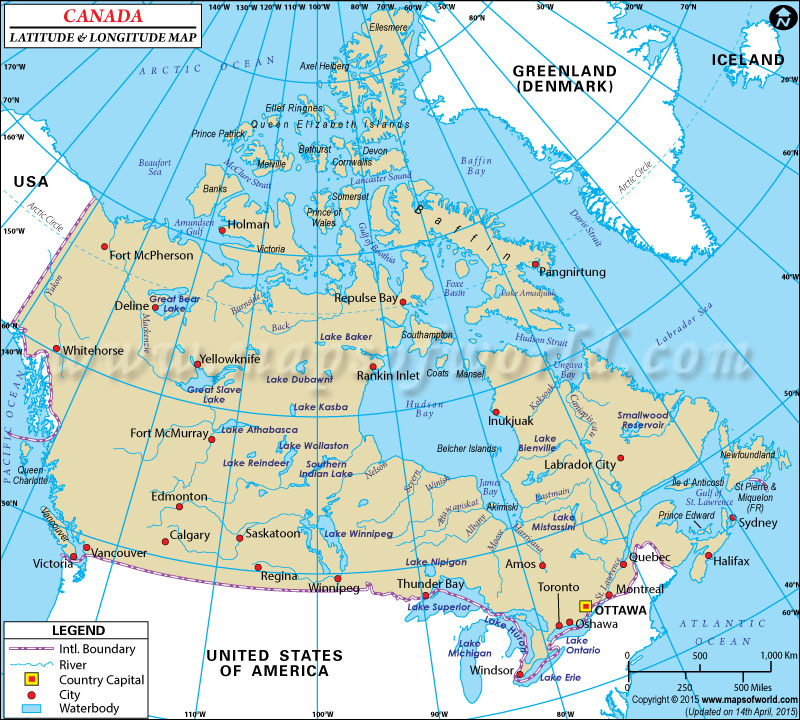
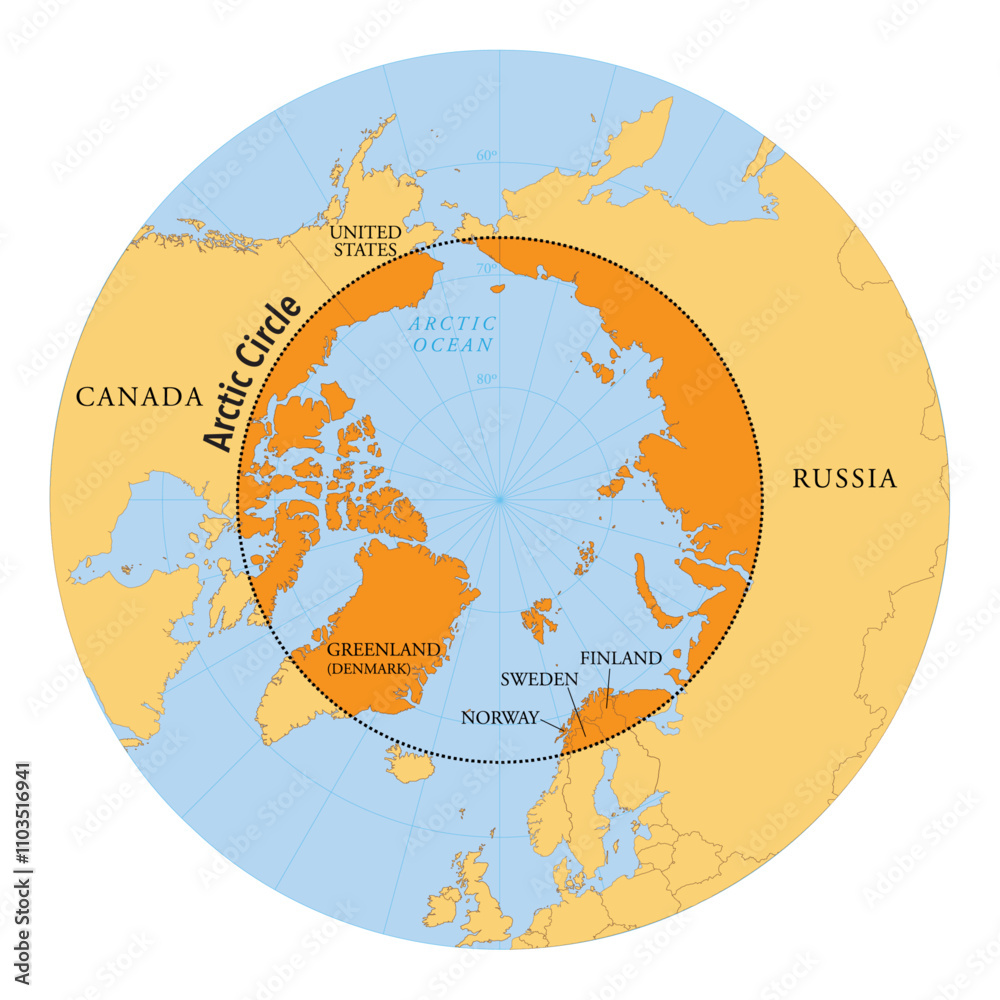
When 5 million cubic miles of ice age glacier known as Laurentide Ice Sheet moves beyond 600 miles to the pole, it ceases to manufacture a new ice layer each year and starts to melt. That is why 0.3% of Earth ice is on Ellesmere now and that's third place behind AA and Greenland, because Ellesmere is the only part of Canada still within 600 miles. Laurentide dug out Great Lakes and everything north from top of continental Canada to Ellesmere. Precisely when that area went from ice to water is speculative, as is what precisely caused it. But to claim Laurentide was "complete" 21000 years ago is laughable. Pieces of ice were still around in Indiana 10k years ago. But they were no longer 2.5 miles thick, not even close, Indiana's claim is a mile thick, the 10k year claim. Clearly, North America thawed while Greenland froze, and that is all about tectonic plate direction.
EMH
Diamond Member
- Apr 5, 2021
- 32,917
- 19,279
- 2,788
- Thread starter
- #390
What was the magic movement of NA that melted all that ice.
The main question is when did the ice that was between Ellesmere and continental Canada melt and why.
Answer is speculative.
We have seen large volcanic heat releases from under Arctic Ocean. That's clearly a big suspect.
How long does 5 million cubic miles of ice take to melt once outside of 600 miles to an Earth pole - speculative, likely in the 3 million year range.
Toddsterpatriot
Diamond Member
The main question is when did the ice that was between Ellesmere and continental Canada melt and why.
Answer is speculative.
We have seen large volcanic heat releases from under Arctic Ocean. That's clearly a big suspect.
How long does 5 million cubic miles of ice take to melt once outside of 600 miles to an Earth pole - speculative, likely in the 3 million year range.
The main question is when did the ice that was between Ellesmere and continental Canada melt and why.
Answer is speculative.
How far is Ellesmere from the pole now?
How far was it 21,000 years ago?
How far was it 100,000 years ago?
We have seen large volcanic heat releases from under Arctic Ocean.
When?
EMH
Diamond Member
- Apr 5, 2021
- 32,917
- 19,279
- 2,788
- Thread starter
- #392
How far is Ellesmere from the pole now?
How far was it 21,000 years ago?
How far was it 100,000 years ago?
within 600 miles, hence still in ice age with 30k cubic miles of ice on it
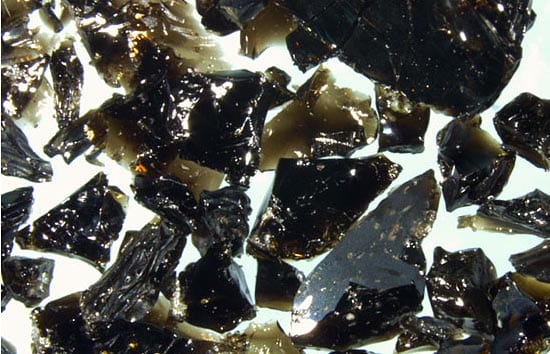
Deeply Submerged Volcanoes Blow Their Tops
A research team led by Woods Hole Oceanographic Institution (WHOI) has uncovered evidence of explosive volcanic eruptions on the Arctic Ocean seafloor almost 2.5 miles deep. Scientists did not think volcanoes submerged under such intense water pressure were capable of such violent eruptions...
 www.whoi.edu

Scientists discover volcano-like structure in Arctic Ocean off Alaska | Alaska Beacon
The structure, too deep to pose a hazard to vessels, was found as scientists were gathering data to better map an Arctic shipping route.
 alaskabeacon.com

Gakkel Ridge Caldera - Wikipedia
Toddsterpatriot
Diamond Member
within 600 miles, hence still in ice age with 30k cubic miles of ice on it
Deeply Submerged Volcanoes Blow Their Tops
A research team led by Woods Hole Oceanographic Institution (WHOI) has uncovered evidence of explosive volcanic eruptions on the Arctic Ocean seafloor almost 2.5 miles deep. Scientists did not think volcanoes submerged under such intense water pressure were capable of such violent eruptions...
Scientists discover volcano-like structure in Arctic Ocean off Alaska | Alaska Beacon
The structure, too deep to pose a hazard to vessels, was found as scientists were gathering data to better map an Arctic shipping route.
Gakkel Ridge Caldera - Wikipedia
en.wikipedia.org
within 600 miles, hence still in ice age with 30k cubic miles of ice on it
Right. 100,000 years ago, and today.
Why did ice cover huge parts of NA 100,000 years and not today?
Ellesmere Island didn't move that much. Explain.
EMH
Diamond Member
- Apr 5, 2021
- 32,917
- 19,279
- 2,788
- Thread starter
- #394
Why did ice cover huge parts of NA 100,000 years and not today?
Read the OP, that is completely answered there. Right now, there is ice age glacier on Ellesmere and nowhere else, because Ellesmere is the only part of Canada still within 600 miles of the pole.
Laurentide likely took around 3 million years to melt after growing for over 40 million into 5+ million cubic miles of ice. The past 100k years saw the end of the ice melt from Indy to Northern Canada. Nowhere was it still 2.5 miles thick 100k years ago.
If Canada had no water between Ellesmere and the continent, it would still be in ice age.
When and why did that ice turn to water?
Already answered to the best of our ability to guess....
Toddsterpatriot
Diamond Member
Read the OP, that is completely answered there. Right now, there is ice age glacier on Ellesmere and nowhere else, because Ellesmere is the only part of Canada still within 600 miles of the pole.
Laurentide likely took around 3 million years to melt after growing for over 40 million into 5+ million cubic miles of ice. The past 100k years saw the end of the ice melt from Indy to Northern Canada. Nowhere was it still 2.5 miles thick 100k years ago.
If Canada had no water between Ellesmere and the continent, it would still be in ice age.
When and why did that ice turn to water?
Already answered to the best of our ability to guess....
Read the OP, that is completely answered there. Right now, there is ice age glacier on Ellesmere and nowhere else, because Ellesmere is the only part of Canada still within 600 miles of the pole.
And 100,000 years ago Ellesmere was the only part of Canada still within 600 miles of the pole.
When we still had ice sheets across Illinois.
If Canada had no water between Ellesmere and the continent, it would still be in ice age.
Canada had no water between Ellesmere and the continent 100,000 years ago.
How far does it have to move to melt 2,000 miles of ice sheets between Ellesmere and Chicago?
EMH
Diamond Member
- Apr 5, 2021
- 32,917
- 19,279
- 2,788
- Thread starter
- #396
When we still had ice sheets across Illinois.
No, you had pieces of ice that moved. You have SCRATCHES dating from that point. They aren't the 2.5 mile thick ice scratches either.
Canada had no water between Ellesmere and the continent 100,000 years ago.
Not what was said. More likely 3 million years ago, and when that ice turned to water, then the 3 million years of (net) melting started, how long it takes 5 million cubic miles of ice, 2.5 miles thick, to melt.
Toddsterpatriot
Diamond Member
No, you had pieces of ice that moved. You have SCRATCHES dating from that point. They aren't the 2.5 mile thick ice scratches either.
Not what was said. More likely 3 million years ago, and when that ice turned to water, then the 3 million years of (net) melting started, how long it takes 5 million cubic miles of ice, 2.5 miles thick, to melt.
No, you had pieces of ice that moved.
That only happens when ice sheets expand.
Not what was said. More likely 3 million years ago, and when that ice turned to water,
Link?
then the 3 million years of (net) melting started,
Was all the evidence supporting your claim destroyed in 2010?
EMH
Diamond Member
- Apr 5, 2021
- 32,917
- 19,279
- 2,788
- Thread starter
- #398
That only happens when ice sheets expand.
False.
When big ice sheets melt for hundreds of thousands of years, they develop rivers and drainage pathways. In Indiana, the most likely explanation is that a piece of ice roughly one mile thick broke lose and scratched the ground when it did. That does not mean Indiana was covered under mile thick ice 10k years ago, no. Rather, the higher elevations melt first, dump water on the lower elevations etc.
There is a summer winter contraction/expansion on the melt line every year, is on Greenland now. But year over year Greenland's ice is not retreating, just the opposite.
The entire attempt to cover up North American Ice Age and hence prevent the truth that
Greenland froze while North America thawed at the same time
is actually all based on rock scratches, that's the only actual evidence McBullshit claims it has, claims of rock scratches from people who fudge data, seed clouds, and squirt chemical bleach into coral....
Toddsterpatriot
Diamond Member
False.
When big ice sheets melt for hundreds of thousands of years, they develop rivers and drainage pathways. In Indiana, the most likely explanation is that a piece of ice roughly one mile thick broke lose and scratched the ground when it did. That does not mean Indiana was covered under mile thick ice 10k years ago, no. Rather, the higher elevations melt first, dump water on the lower elevations etc.
There is a summer winter contraction/expansion on the melt line every year, is on Greenland now. But year over year Greenland's ice is not retreating, just the opposite.
The entire attempt to cover up North American Ice Age and hence prevent the truth that
Greenland froze while North America thawed at the same time
is actually all based on rock scratches, that's the only actual evidence McBullshit claims it has, claims of rock scratches from people who fudge data, seed clouds, and squirt chemical bleach into coral....
In Indiana, the most likely explanation is that a piece of ice roughly one mile thick broke lose and scratched the ground when it did.
Ice sheets don't move when they melt or retreat, only when they advance.
You're making less and less sense.
The entire attempt to cover up North American Ice Age and hence prevent the truth
Hilarious! You claim massive coverups with zero proof. Without even a logical reason for the "cover up".
Greenland froze while North America thawed at the same time
Well duh, further north is usually colder. Why would anyone cover up such a logical event?
Similar threads

- Replies
- 62
- Views
- 1K


- Poll
- Replies
- 40
- Views
- 1K

New Topics
-

-
 Breaking: MAGA Israel first crowd supports giving US drone technology to Russia and China.
- Started by MisterBeale
- Replies: 7
-
 Trump's lowering of U.S. drug costs to kill millions in Europe
- Started by 1srelluc
- Replies: 1
-


