Genesis shows wisdom way ahead of the time it was written. It describes evolution, the inherent need for a life with meaning free will must have morals.
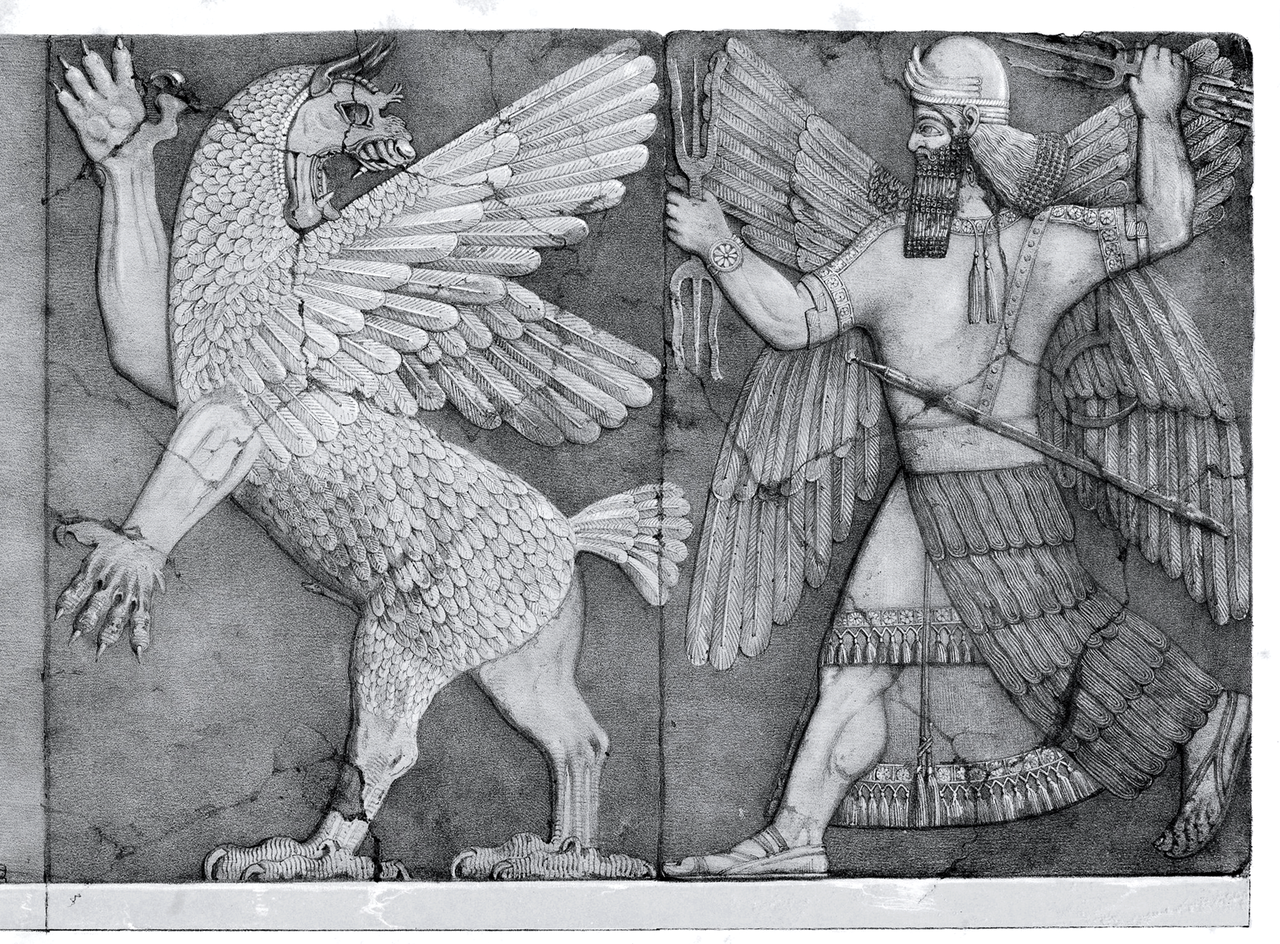
We find much of similar nature in the early writings from other other and earlier cultures than that of the Jews. Much of the first chapters of Genesis are versions of the Sumerian creation accounts, the Enuma Elish.
The Enuma Elish (and later plagiarized Genesis) were 'dictated' by the Anunnaki to the Sumerians, whose civilization the Anunnaki started.
For that matter, most of the earliest religions and their dogma and scriptures have origins in the Anunnaki's interventions in human origins and development, leading to the earliest civilizations. Anunnaki being what some have referred to as the Gods, others have seen as inter-stellar colonists here.
I provide more details and more explanation through out this thread on the subject;
The Geminga Scenario
...
Enūma Eliš (
Akkadian Cuneiform:
𒂊𒉡𒈠𒂊𒇺, also spelled "Enuma Elish"), meaning "When on High", is a
Babylonian creation myth (
named after its opening words) from the late 2nd millennium BCE and the most complete surviving account of
ancient near eastern cosmology. It was recovered by English archaeologist
Austen Henry Layard in 1849 (in fragmentary form) in the ruined
Library of Ashurbanipal at
Nineveh (
Mosul,
Iraq). A form of the myth was first published by English
Assyriologist George Smith in 1876; active research and further excavations led to near completion of the texts and improved translation.
Enūma Eliš has about a thousand lines and is recorded in
Akkadian on seven
clay tablets, each holding between 115 and 170 lines of
Sumero-Akkadian cuneiform script. Most of Tablet V has never been recovered, but, aside from this
lacuna, the text is almost complete.
Over the seven tablets, it describes the creation of the world, a battle between gods focused on the offering to
Marduk, the creation of man destined for the service of the
Mesopotamian deities, and it ends with a long passage praising Marduk. The rise of Marduk is generally viewed to have started from the
Second Dynasty of Isin, triggered by the return of the statue of Marduk from
Elam by
Nebuchadnezzar I, although a late Kassite date is also sometimes proposed. It may have been recited during the Akitu festival.
...

en.wikipedia.org
(Some have speculated that the seven tablets are source of the seven days of creation.)