1srelluc
Diamond Member
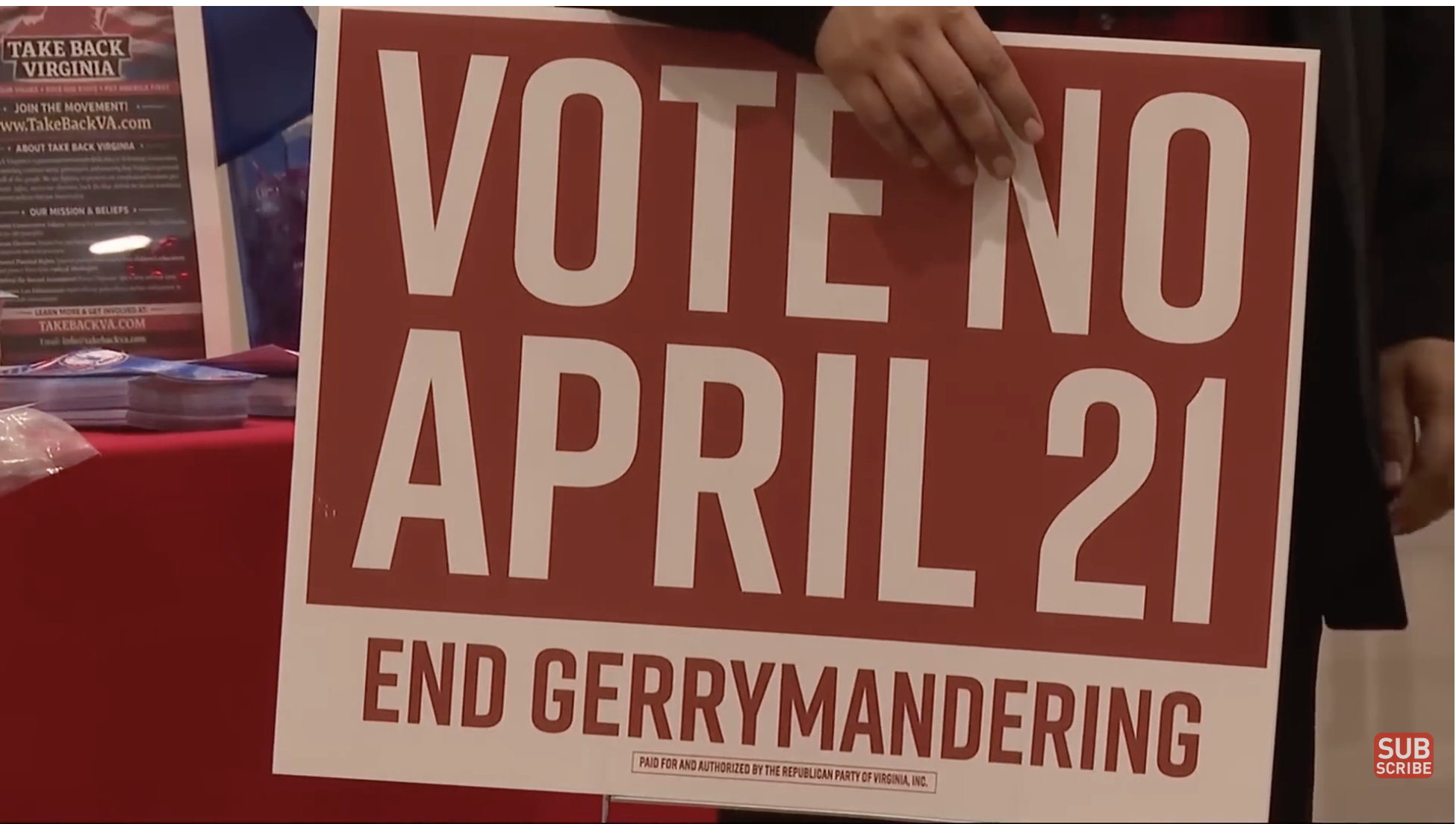
RICHMOND, Va. (WRIC) — Virginia voters have approved a controversial proposal that will redraw the state’s congressional map, according to the Associated Press (AP) — but the court system still has to weigh in before all is said and done.
On Tuesday, April 21, Virginia held a referendum on a constitutional amendment designed to give legislators the power to redraw the state’s congressional map mid-decade. Under current Virginia law, these maps are meant to be redrawn every 10 years — in line with the U.S. Census — through a process that includes a bipartisan commission.
Under the plan, many Virginians will see their congressional district change, which means they’ll be represented by — and able to vote on the future of — a different member of Congress. Ten of Virginia’s 11 congressional districts will favor Democrats at the ballot box, based on historical electoral data.
However, even if that victory becomes official, the plan still faces a major hurdle: the Supreme Court of Virginia. The proposal has been wrapped up in a complicated court battle since before Spanberger even signed the bill that contained it into law.
After a Tazewell County judge moved to block the proposal twice, the Supreme Court of Virginia ruled that the election could proceed. The justices said that past precedent dictated that the court should not prevent elections from taking place, adding that they would proceed with examining the proposal if voters approved it.
“[This case] involve
It is the process, not the outcome, of this effort that we may ultimately have to address. Issuing an injunction to keep Virginians from the polls is not the proper way to make this decision.”
Virginia Democrats are facing two challenges regarding the legality of the redistricting plan. They’re accused of violating procedural rules when adding the proposal to the 2024 Special Session of the General Assembly, as well as using misleading language to describe the plan on ballots.
So the game is not over till it's over.....Hope springs eternal but I'm not gonna hold my breath.
BTW....The dems planned to go to the Virginia Supreme Court had they lost.
No idea why some of this was lined out.