As typical here the usual suspects run off wagging tongues at each other and 40+ posts into this news item/thread, no one has bothered to get actual facts and details. So here, excerpt;
...
This was not the usual landing approach for United Flight 169. The daily Venice f
light typically lands on Newark's longer runways, but because of windy conditions on Sunday, the plane was vectored into Runway 29, the shortest of the three runways at Newark.
The two runways at Newark this flight would typically use are 11,000 feet long and 9,999 feet long, while Runway 29 is just 6,725 feet. The recommended minimum runway distance for a 767-400 is 6000+ feet, so the
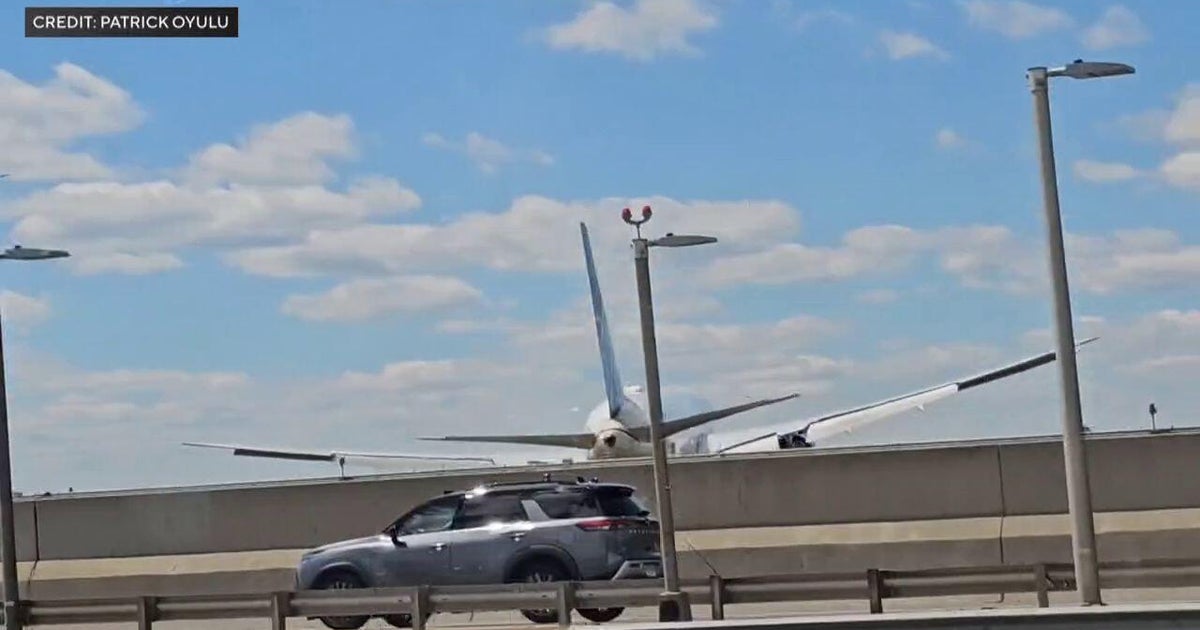
landing was not unsafe, but it had a smaller margin of error than usual. Runway 29 also has the least buffer between it and the freeways that ring Newark Liberty Airport.
"As a former airline pilot, I would consider this runway to be relatively short, and so I suspect that the pilots wanted to make sure that they were not landing long," Former NTSB Chair and retired 737 captain Robert Sumwalt told Van Cleave.
Sumwalt also characterized
landing on that particular runway as a "difficult approach."
"It's not a straight-in approach. You have to come in and circle and to line up with that runway," he said, noting it also lacks some of the technology the other runways have to help with landings.
...
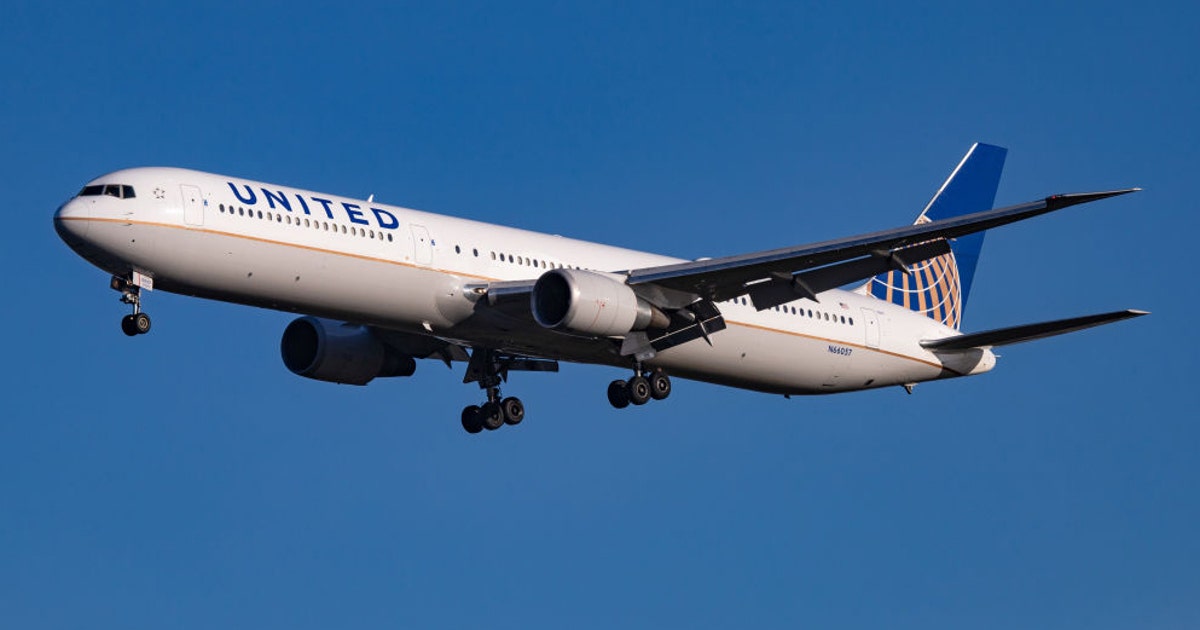
An investigation is underway after a United Airlines plane struck a light pole and truck on the New Jersey Turnpike as it was coming in for a landing at Newark Liberty Airport on Sunday afternoon, officials said.

www.cbsnews.com
Color highlight my doing to underscore essential details.
There are a few of us here who have actually landed airplanes and it is not the easy task many might think. There's an adage from the early days of aviation to effect: "Any landing you can walk away from is a good landing".
In this incident, coming out of a circular turn while dropping altitude and with little time and room top line up straight with the runway, the pilots were focused on getting down safely on the ground.
This is not a usual runway to land on so these pilots likely didn't know the flaws and hazards of the approach.
If anything, having a freeway and assorted poles close to the end of the runway and at near same altitude is the major blame/fault item here.
Proximity of these flight hazards means that if the pilots are aware of such, they will have to approach the end of the runway higher up than would be desired, which means you touch wheels to ground further down the length of the runway. On a runway that is barely long enough to land this size plane, they could have risked going off the end of the runway before being able to stop.


 "NEW JERSEY TURNPIKE" because it was below 20 well before the runway threshold. GEEZ.