an understanding of how insurance works.
It is a form of risk management primarily used to hedge against the risk of a contingent, uncertain loss.
The word "contingent" means it's a chance action. Uncertain, means something there is no guarantee of happening.
Regardless, back to the definition of insurance.
"It is a form of risk management primarily used to hedge against the risk of a contingent, uncertain loss."
For property and casualty, that definition applies. It's quite possible that one won't ever make a claim against one's property insurance policy. For life and health, it does not.
- It is 100% certain that the insured's life will end and the insurer will have to pay, barring the death's being of a sort that's not covered.
- It is almost as certain that the insured will suffer a health ailment.
For life and health insurance, the only thing that's uncertain is when a qualifying claim event will occur.
When you say that now they are guaranteed issue.... yeah... who do you think is paying for that guaranteed issue?
We do. The premium payers. Where do you think the insurance companies get money from?
The great majority of it comes from earnings on invested capital. The capital is the money insured parties pay as premiums, but an
insurance company cannot thrive on premiums alone. Indeed, but for the "float" associated with the time between receiving premiums and paying a claim, insurers would at best break even.
Not entirely true. There is no guarantee that I could not drop over dead right now, costing the insurance company nothing.
I'm not talking about life insurance. Death is a 100% guarantee. Even then though, level term insurance expires. So you can die after the insurance expires costing nothing. Which is why you can get level term insurance for a million dollars, and yet pay $30 to $50 a month for it.
Your point about invested float, is at the very best, irrelevant. Even your own link says very clearly:
"The insurance industry survives on premiums, but it thrives on float"
If the company "survives" on premiums, then my point stands. My point being that when you demand the insurance companies cover more, you are in effect demanding you yourself pay higher premiums.
"thriving" on float, means that investment returns are the icing on the cake. The bonus after making a profit.
I happen to look up Progressive's investor relation publication. On page 39, you can clearly see that premium revenue, is $22.4 Billion, while Investment income is only $478 Million.
What that means is that if a bunch of left-wingers get together and push through some feel-good legislation, that forces up costs on Progressive by just, let's say 5%. That would be almost a billion dollars. More than double the investment income. Which in turn would require Progressive to pass on those costs to the premium payers.
Which again... was my whole point. All that float crap, was irrelevant to the point. When you demand companies pay out more in insurance policies, you demand in effect, that they charge the consumer much higher premiums.
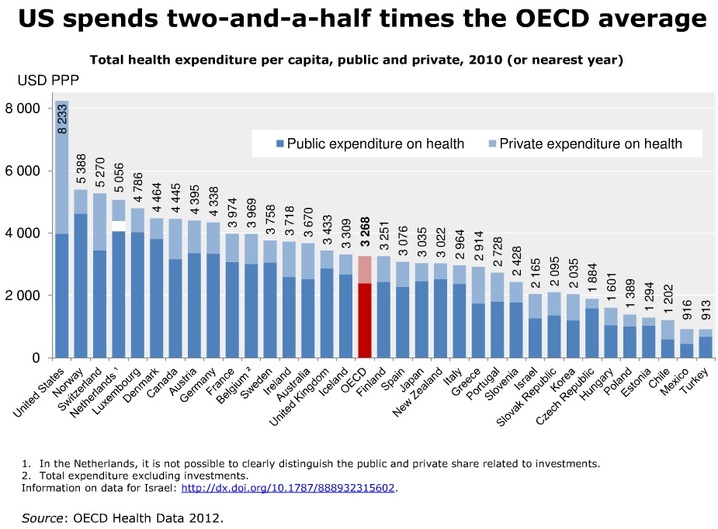
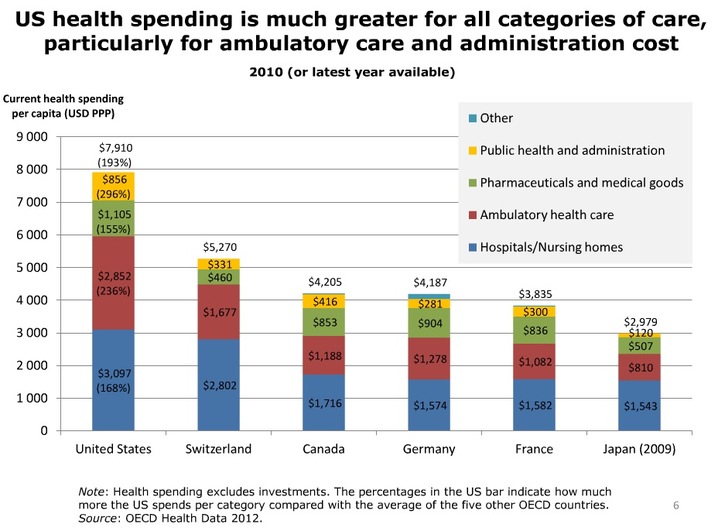
Which again, is exactly what we see. In 2006 I could get an insurance policy for $67 a month. Today the cheapest is $250.