Well now..wonder what will happen when the Native Americans decide to exercise their sovereignty? The Sioux have erected checkpoints at the Cheyenne River....turning the bikers back.
No so social distancing?
"A convoy consisting of thousands of bikers headed for a South Dakota rally will not be allowed to cross Cheyenne River Sioux checkpoints on their way to the event, according to a Native American spokesman.
The spokesman said Saturday that the band of travelers would be stopped on their way to the Sturgis Motorcycle Rally, in the name of preventing coronavirus from spreading any further.
The seven tribes that make up the Sioux Nation are now in a fight with federal and state officials, who deemed such checkpoints to be illegal.
A duty officer for the Cheyenne River Sioux told the Guardian Saturday that commercial and emergency vehicles will be allowed through the checkpoints, but nothing else. Some reservations have reportedly turned away bikers already."
View attachment 373126
All the bikers need is some Jack Daniels and the drunken injuns will let them through
The firewater trick doesnt work anymore.
Yea it does
No...it doesnt.
Sure it does
False.
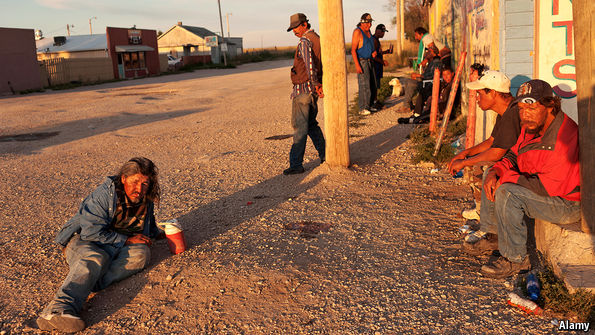
There are 5.6 million American Indians and Alaska Natives, collectively known as Native Americans, currently living in the United States.1 Although they only make up 1.7% of the U.S. population, Native Americans experience substance abuse and addiction at much higher rates than other ethnic groups.
Alcohol Abuse among Native Americans
Alcohol is the most commonly used drug among Native Americans, although the rate of alcohol use among Native Americans is lower than among Caucasians, Hispanics, and African Americans. The major concerns of alcohol use stem from the high rates of problem drinking and
alcoholism among Native Americans. Findings from the 2018 National Survey on Drug Use and Health include:2
- The rate of past month (35.9%) and past year (54.3%) alcohol use among Native Americans is significantly higher than other ethnic groups.
- Nearly a quarter of Native Americans report binge drinking in the past month (22.4%).
- The rate of Native Americans with an alcohol use disorder (7.1%) is higher than that of the total population (5.4%).
- 3 in 10 Native American young adults (age 18-25) report binge drinking (consuming 5 or more drinks in 2 hours), 1 in 11 report heavy alcohol use (binge drinking on 5 or more days in the past month), and 1 in 10 have an alcohol use disorder.
- 1 in 6 Native American adolescents (age 12-17) engage in underage drinking, the highest rate of alcohol use of all racial/ethnic groups.
Consequences of Alcohol Abuse in Native American Communities
Alcohol can have a severe impact on the health of Native American individuals, families, and communities. The
consequences of alcohol abuse for Native Americans include increased risks for heart disease, cancer, gastrointestinal problems, pneumonia, tuberculosis, dental problems, hearing and vision problems, depression, and other mental health disorders.3 A recent analysis found that alcoholic liver disease is a major leading cause of death for Native Americans.4 Alcohol use is also a major cause of preventable birth defects and developmental disabilities in Native Americans, with the Centers for Disease Control and Prevention reporting that the rate of fetal alcohol syndrome among some tribes is more than eight times the national average.5 Alcohol use leads to increased risk for unintentional injuries, including those resulting from poor decision making and risky behaviors. Studies show that Native American men have the second-highest self-reported rates of driving under the influence, as well as the second highest arrest rates for drunk driving, compared to men from other racial and ethnic groups.6 Alcohol also contributes to the harm that many Native Americans suffer as a result of violence. Studies show that alcohol is involved in more than 6 in 10 violent crimes committed by Native Americans, and nearly half of the violent crimes experienced by Native Americans involve alcohol.7
Within Native Americans, there are several challenges and stressors within this minority group that may lead to a reliance on alcohol. Many of these pressures can come from within the vast history of the culture.

americanaddictioncenters.org