Back on post #65 here, presented the case that NASA is trying to get the telescope to find and confirm other Earth like planets;
There have to be earth like planets just based on odds alone. Nope. They are all nightmare worlds where no life can survive. But IF there were, how are you going to get there? Star Trek, Star Wars and Buck Roger's are FANTASY. The distances make travel between worlds impossible. It's...

www.usmessageboard.com
~~~~~~~~~~~~~~~
The Space Telescope That Could Find a Second Earth
What will it take to capture images of a distant world capable of harboring life?
...
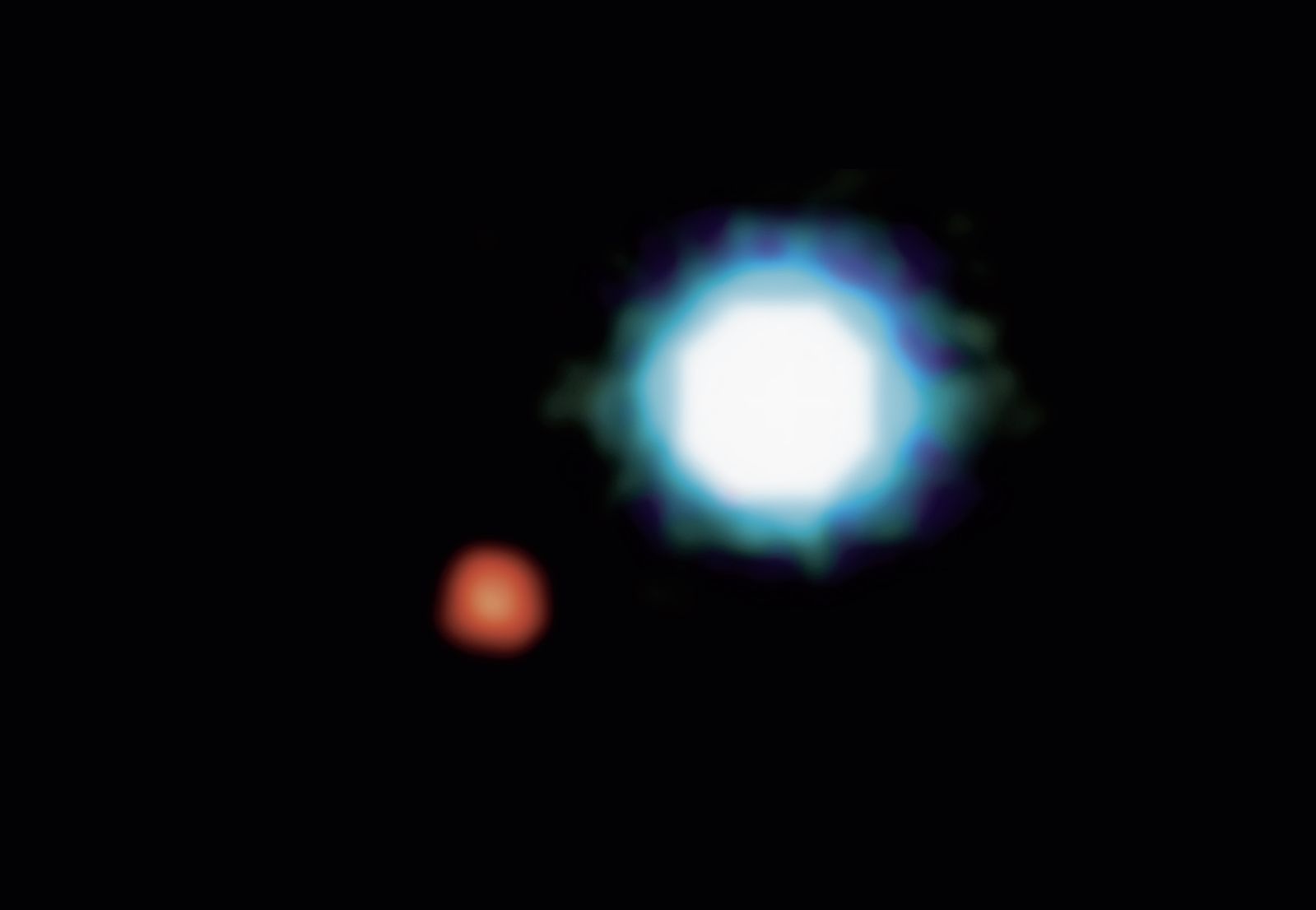
For all the excitement surrounding the search for distant exoplanets in recent years, the 4,000-plus planets confirmed so far have been unseen actors on the cosmic stage. Except for a handful of very large bodies imaged by ground-based telescopes, virtually all exoplanets have been detected only when they briefly dim the light coming from their host stars or when their gravity causes the star to wobble in a distinctive way. Observing these patterns and using a few other methods, scientists can determine an exoplanet’s orbit, radius, mass, and sometimes density—but not much else. The planets remain, in the words of one researcher in the field, “small black shadows.”
Scientists want much more. They’d like to know in detail the chemical makeup of the planets’ atmospheres, whether liquid water might be present on their surfaces, and, ultimately, whether these worlds might be hospitable to life.
...
Direct imaging of such a faint target also requires certain technical innovations, most critically a powerful coronagraph—a screen to block out the blinding light of the planet’s host star. Inside the coronagraph instrument, an advanced imaging camera is needed to detect small, rocky planets like our own. Then a highly sensitive spectrograph is required to identify elements like oxygen or methane in a planet’s atmosphere that might suggest the presence of life.
The LUVOIR study team concluded in its final report that the deluxe version of the observatory—as opposed to a scaled-down option that reduces the mirror size almost by half—could identify and study 54 potentially Earth-like planets over a five-year observing period, along with hundreds of larger planets.
This estimate comes from matching the telescope’s technical specifications against the number of small, rocky exoplanets predicted to exist in our celestial neighborhood based on data from NASA’s Kepler survey mission of the last decade. Key to reaching the 54-planet goal will be LUVOIR’s internal coronagraph and the large size of the telescope itself, which has 40 times the light-gathering power of Hubble and can capture images much more quickly.
...
...
What will it take to capture images of a distant world capable of harboring life?

www.airspacemag.com