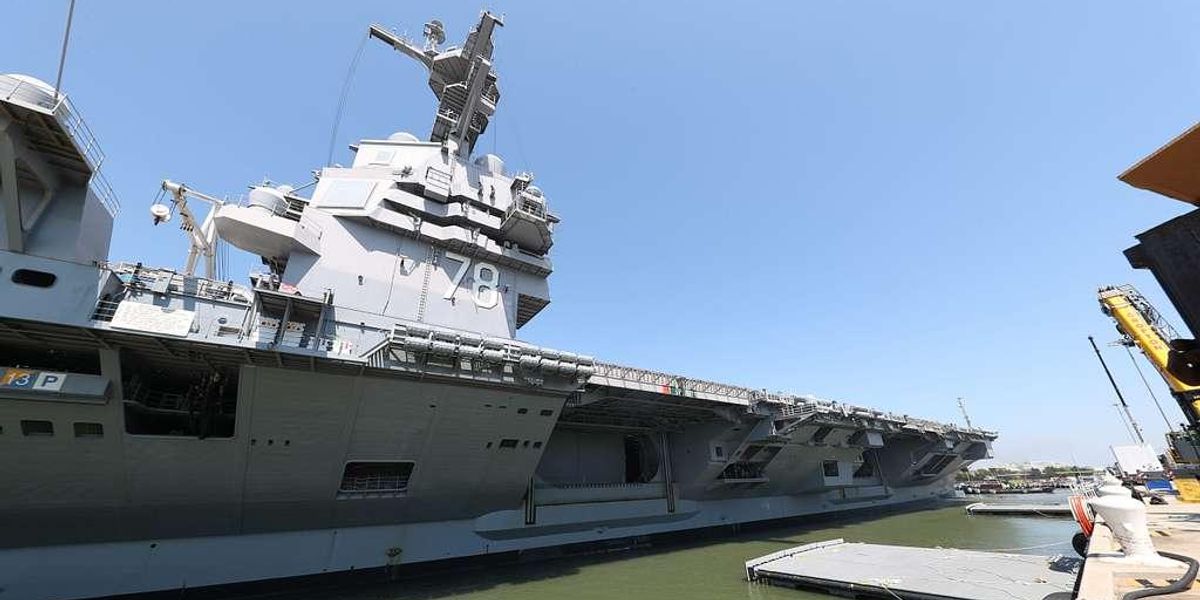
USS Gerald Ford
Construction on the Ford began in 2009, but the ship wasn’t commissioned until July 2017. Even then, the ship was far from ready for service. It took another five years for the Navy to put the ship to sea on its first operational deployment.
Almost from the beginning, the Ford has been plagued by developmental problems. In the early 2000s, Navy leaders decided to replace the existing fleet of Nimitz-class aircraft carriers, which have provided reliable service for more than 50 years, with a newly designed ship. Doing so meant the contractor could milk the development process given that the government would reimburse the company for the research and development costs.
The process incentivized the inclusion of nearly two dozen new, unproven technologies. This complicated the development process and delayed delivery by at least three years and increased costs more than 25%, from $10.5 billion to $13.2 billion.
This spending has done little to improve the vessels’ capabilities. But the inclusion of so many new technologies did create economic opportunities all over the country. More than 200 suppliers, spread across the country, build components for the Ford-class program.
The Navy’s premier aircraft carrier is a case study in misplaced priorities, most importantly putting politics and industry preference before readiness and efficiency

responsiblestatecraft.org