From Wiki:
The
history of the Jews in the Roman Empire traces the interaction of
Jews and
Romans during the period of the
Roman Empire (27 BC – AD 476). Their cultures began to overlap in the centuries just before the
Christian Era. Jews, as part of the
Jewish diaspora, migrated to
Rome and Roman Europe from the
Land of Israel,
Asia Minor,
Babylon and
Alexandria in response to economic hardship and incessant warfare over the land of Israel between the
Ptolemaic and
Seleucid empires. In Rome, Jewish communities enjoyed privileges and thrived economically, becoming a significant part of the Empire's population (perhaps as much as ten percent).
[1]
The Roman general
Pompey in his eastern campaign established the
Roman province of Syria in 64 BC and
conquered Jerusalem in 63 BC.
Julius Caesar conquered Alexandria c. 47 BC and
defeated Pompey in 45 BC. Under Julius Caesar,
Judaism was officially recognised as a legal religion, a policy followed by the first Roman emperor,
Augustus.
Herod the Great was designated ‘King of the Jews’ by the
Roman Senate in c. 40 BC, the
Roman province of Egypt was established in 30 BC, and
Judea proper,
Samaria and Idumea (biblical
Edom) were converted to the
Roman province of Iudaea in 6 AD.
Jewish-Roman tensions resulted in several
Jewish–Roman wars, 66-135 AD, which resulted in the
destruction of Jerusalem and the Second Temple and institution of the
Jewish Tax in 70 and
Hadrian's attempt to create a new
Roman colony named
Aelia Capitolina c. 130.
Jewish–Roman wars[edit]
Main article:
Jewish–Roman wars
 Relief
 from the
Arch of Titus in Rome depicting a menorah and other objects looted from the Temple of Jerusalem carried in a
Roman triumph
In 66 AD, the
First Jewish–Roman War began. The revolt was put down by the future Roman emperors
Vespasian and
Titus. In the
Siege of Jerusalem in 70 AD, the Romans destroyed much of the
Temple in Jerusalem and, according to some accounts, plundered artifacts from the Temple, such as the
Menorah. Jews continued to live in their land in significant numbers, the
Kitos War of 115-117 notwithstanding, until
Julius Severus ravaged Judea while putting down the
Bar Kokhba revolt of 132–136. 985 villages were destroyed and most of the Jewish population of central Judaea was essentially wiped out – killed, sold into slavery, or forced to flee.
[8] Banished from Jerusalem, which was renamed
Aelia Capitolina, the Jewish population now centered on
Galilee,
[9] initially at
Yavneh.
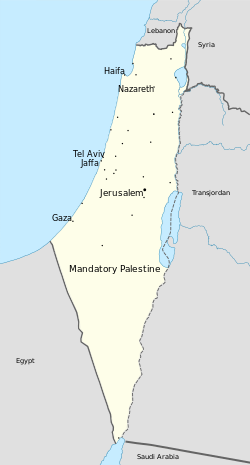
After the Jewish-Roman wars (66–135), Hadrian changed the name of Iudaea province to Syria Palaestina and Jerusalem to Aelia Capitolina in an attempt to erase the historical ties of the Jewish people to the region.[10]
In addition, after 70, Jews and Jewish
Proselytes were only allowed to practice their religion if they paid the
Jewish tax, and after 135 were barred from Jerusalem except for the day of
Tisha B'Av.
History of the Jews in the Roman Empire - Wikipedia