
Senior
Gold Member
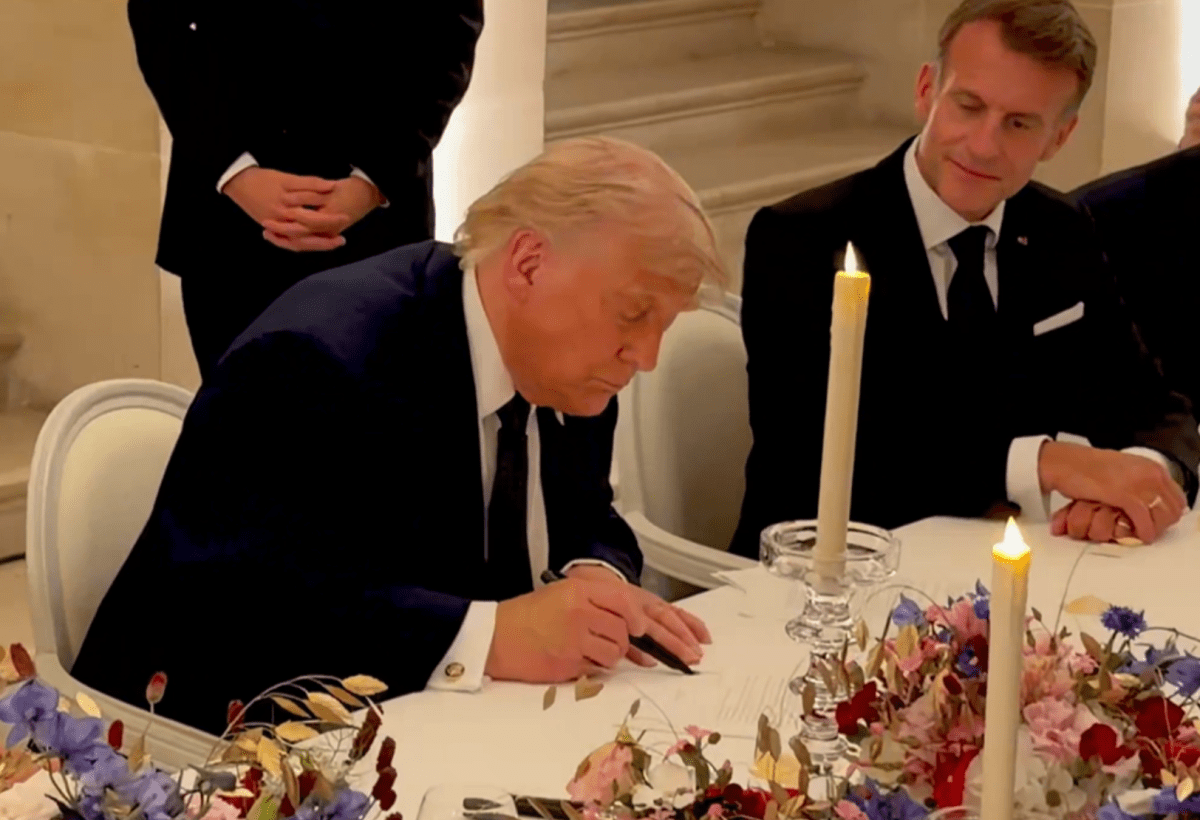
The many concessions for Iran in Trump's deal
Critics say Iran gains the upper hand with the MOU signed by President Trump ahead of further talks on its nuclear program.
 www.newsweek.com
6/18/26
The agreement to end the Iran war has faced criticism for offering Tehran too many concessions while extracting little from the Islamic Republic in return. President Donald Trump signed a memorandum of understanding (MOU) on Wednesday at the Palace of Versailles in France, saying it would ease the economic turbulence caused by Iran’s blockading of the Strait of Hormuz. Trump said the agreement would immediately reopen the Strait of Hormuz, which Tehran had in essence blockaded for three months, upending global energy markets. But there is a lack of clarity about how it addresses Iran’s control of the critical waterway through which one-fifth of the world’s energy transits.
Iran has charged a toll for ships to use the waterway, and even if maritime traffic were restored, messaging from Tehran indicates it will not relinquish control. The Islamic Revolutionary Guard Corps (IRGC)-affiliated Fars News reported that changes to an earlier deal included references to a joint Iranian-Omani administration of the waterway. Iranian officials have signaled that Tehran would keep control over the strait and that vessels transiting it should pay service fees in the future, presenting a scenario worse than before February 28.
The agreement would also see the U.S. terminate all types of sanctions, make available frozen or restricted funds and assets and end the American naval blockade of Iran’s ports, which has hit the Islamic Republic’s critical exports hard. This would provide vital funds for the sanctions-hit economy. State news outlet Mehr reported on Tuesday that Tehran would soon gain access to part of its frozen assets, have its oil sanctions suspended, and gain free access to oil revenue. This could see Iran earn up to $10 billion from 60 days of oil sales, with total revenue during this period exceeding $30 billion.
Meanwhile, the deal would also see the U.S. work with regional partners to develop a plan with at least $300 billion for Iran’s reconstruction and economic development, although there is no commitment for U.S. funds. From a negotiation perspective, this is not sequencing: it is front-loading concessions. While a proper interim agreement should buy time while preserving pressure, this one appears to buy time by spending most of the pressure upfront.
Trump squarely maneuvered the US into another Middle east quagmire. This from the chronic liar who endlessly promised Americans no new wars during his 2024 presidential campaign.
A major clusterfvck. Even his MAGA lapdogs in Congress are voicing displeasure with Trump's increasing ineptitude before the midterms.
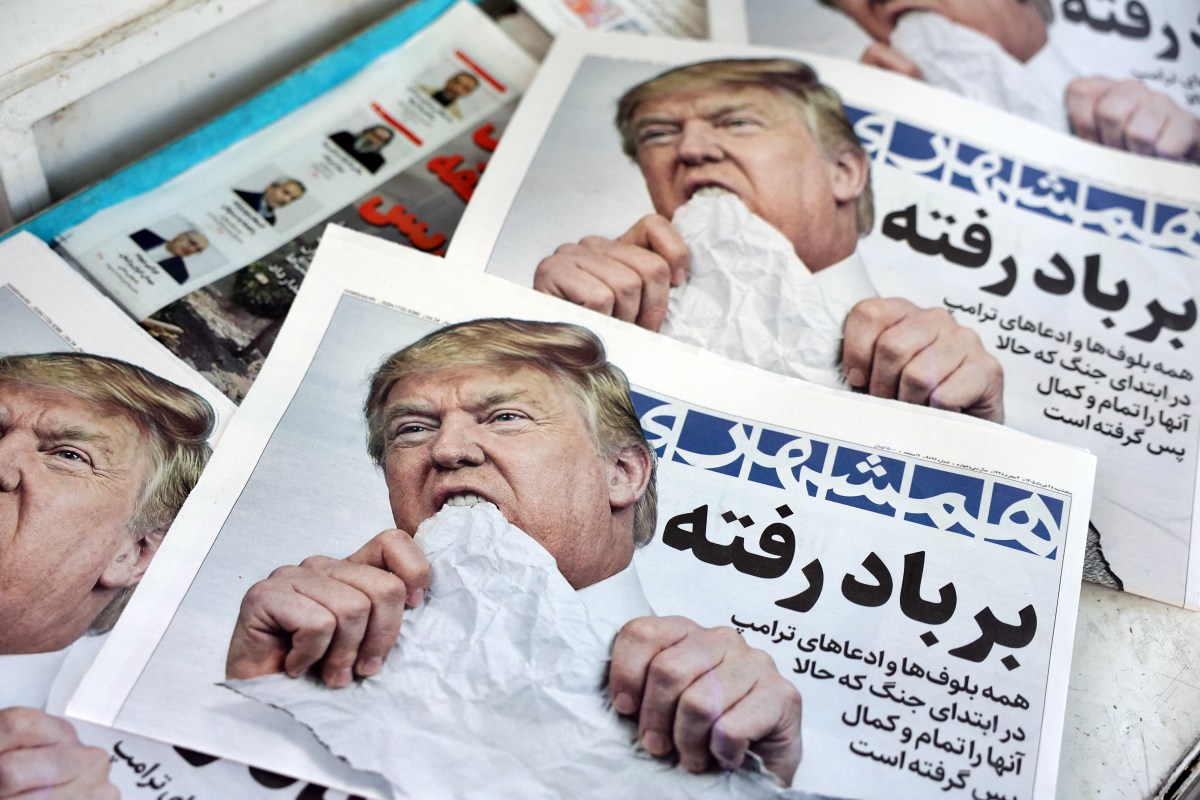
Who won the Iran war? 10 analysts explain
The United States laid out several goals when it joined Israel with strikes against Iran on February 28.
www.newsweek.com


