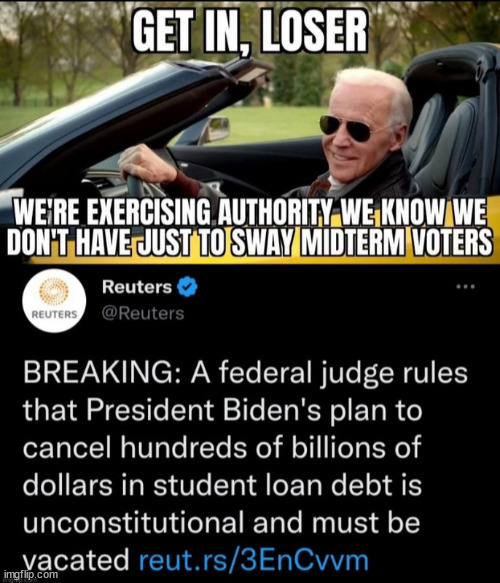
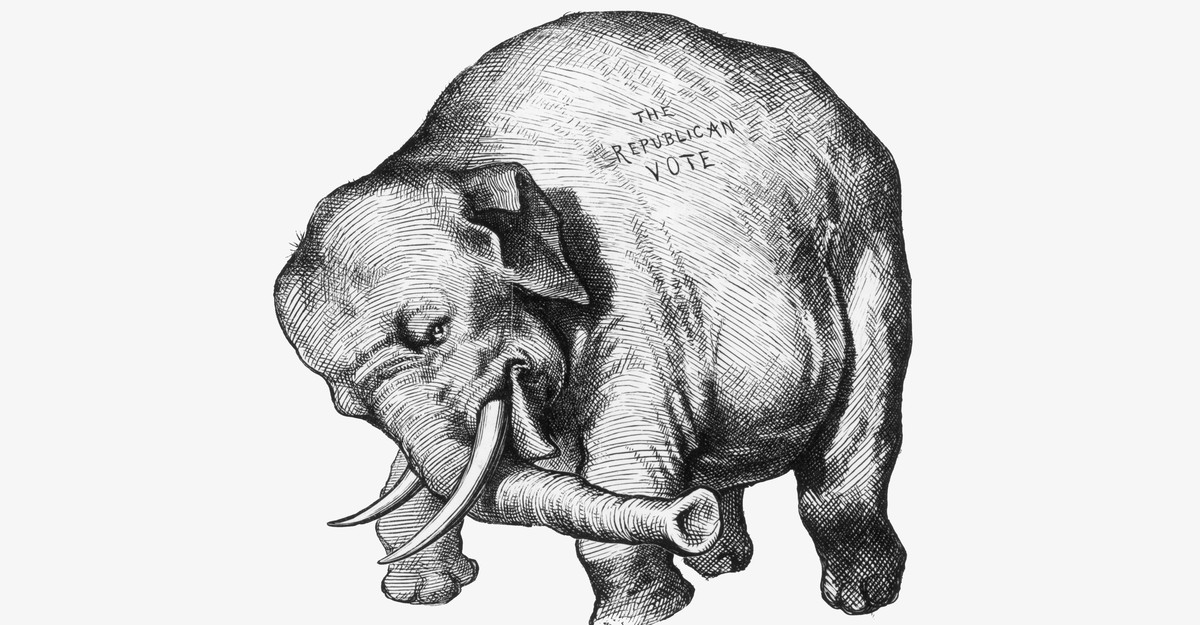
From the Atlantic article
4. Trumpism is toxic to the middle of the electorate.
Here’s the scenario many of us were expecting on Election Day: The president, still the titular head of his party despite a growing chorus of questions about his age and competence, suffers a series of humiliating defeats that reflect the weakness of his personal brand and cast doubt on his ability to lead the party moving forward.
And that’s precisely what happened—to the former president.
If Tuesday felt strange—“the craziest Election Night I’ve ever seen,” as the elections-analyst Dave Wasserman tweeted—it’s because so many races revolved around someone who wasn’t running for anything. The reason that practically every first-term president in modern history has gotten pummeled in the midterms is that the opposition party typically cedes the stage and makes it all about him. The idea is to force the party in power to own everything that’s unsatisfactory about the country—its economic performance, military failures, policy misfires. It’s a time-honored tradition: Make the election a referendum on the new guy in charge.
Until now.
In each of the three states that saw major Democratic victories—Michigan, Pennsylvania, and Wisconsin—25 to 30 percent of voters said they had cast their vote in opposition to Trump. To reiterate: This is a quarter of the total electorate, consistently across three of the nation’s most polarized battleground states, acknowledging that they were motivated by the idea of defeating someone who wasn’t on the ballot, and who currently holds no office. It’s easy to see why they succeeded: In these states, as well as nationally, the only thing worse than Biden’s approval rating was Trump’s. In state after state, congressional district after congressional district, voters rejected the Trump-approved candidate, for many of the same reasons they rejected Trump himself two years ago.
And three other lessons of the midterm elections

www.theatlantic.com
Keep backing him and keep losing, MAGA