Not so. The entire Mandate of Palestine territory (excluding Jordan) is sovereign Israel. There has never been another State in within the boundaries of that territory and no legal subdivision of the territory which creates a border between Israel and some other as yet imagined state. Israel has, thus far, chosen not to exercise her rights to sovereignty in favour of a future agreement with an emerging State of Palestine.
Well, this was the point of my post to Deadstick. As it is now, there are Israeli citizens and there are not-Israeli citizens. To treat not-citizens differently than citizens is not apartheid.
What is Pallyweid
The term
"pallyweid" can be used to describe a specific type of rhetoric or narrative about the Israeli-Palestinian conflict that is both misleading and one-sided, often found in discussions that accuse Israel erroneously of “apartheid” and “genocide.” Here's how the key elements can be incorporated into the term:
Pallyweid and the Apartheid Slur
The term
pallyweid draws from the
"apartheid" false accusation leveled at Israel, which critics claim is based on systemic racial segregation akin to the policies of South Africa during apartheid. In reality, Israel’s legal and political framework is far different from the brutal racial segregation of the South African regime. Arab Israelis (who make up about 20% of the population) are
full citizens, with the ability to vote, run for office, and enjoy the same civil rights as Jewish citizens. The misuse of the term
apartheid in this context dilutes the true historical weight of South Africa’s racial system.
Furthermore, Arabs in Israel often receive preferential treatment in various areas, including land disputes, legal cases, employment opportunities, and even after serving time in prison. This disparity in treatment contradicts the narrative of systemic oppression often pushed by critics, and instead highlights how Israel goes to great lengths to accommodate its Arab citizens, despite the challenges posed by ongoing conflict and security concerns.
From a
pallyweid perspective, this term is wielded to paint Israel , falsely, as an oppressive regime based on ethnic separation when, in fact, Israel's security measures—such as restrictions on movement in the West Bank and Gaza—are directly linked to the
terrorist threats it faces from groups like
Hamas and factions within the Palestinian Authority. These measures are not aimed at racial or ethnic segregation but rather as
security precautions against an ongoing campaign of violence that targets Israeli civilians, including through rocket attacks, suicide bombings, and terrorism.
It's important to note that the foundation for the "apartheid" narrative, which continues to be peddled today, was first laid by Ahmad Shukeiri [Shukairy] on October 17, 1961. This is the same Shukeiri who, in 1969, openly admitted that Arabs in Palestine cheered for Hitler and prayed for the Axis powers to win, and who, in 1946, justified the Holocaust alongside Jamal Husseini. Husseini, serving as a spokesperson for the Arab Higher Committee (AHC), also made clear in 1947 and 1948 that the Arab rejection of Israel was rooted in deeply racist motivations. As Husseini himself explained, the establishment of Israel threatened the "racial homogeneity" of the Arab world. This admission highlights the true, racist roots of the Arab world's opposition to the Jewish state, long before any accusations of "apartheid" were ever made.
Pallyweid and Genocide
The greater false accusation of
genocide is another cornerstone of the
pallyweid narrative, often used to describe Israel’s military actions, particularly in Gaza and the West Bank. However, this claim misrepresents the context and intentions behind Israeli operations. Critics argue that Israel’s military actions are defensive in nature—designed to protect Israeli civilians from terrorist attacks launched by Iranian-backed
Hamas and other militant groups—not part of a broader
genocidal campaign against Palestinians.
From
pallyweid propaganda, these military operations are framed as genocidal, even though Israel’s goal is not the elimination of Palestinian people but the neutralization of violent groups that actively seek Israel's destruction. The
genocide claim distorts the situation by ignoring the complexity of the conflict and the regional dynamics at play, including the significant role of militant factions within Palestinian territories. It’s imperative to point out that it simplifies a deeply nuanced conflict and fails to acknowledge the existential security threats Israel faces from groups bent on its destruction.
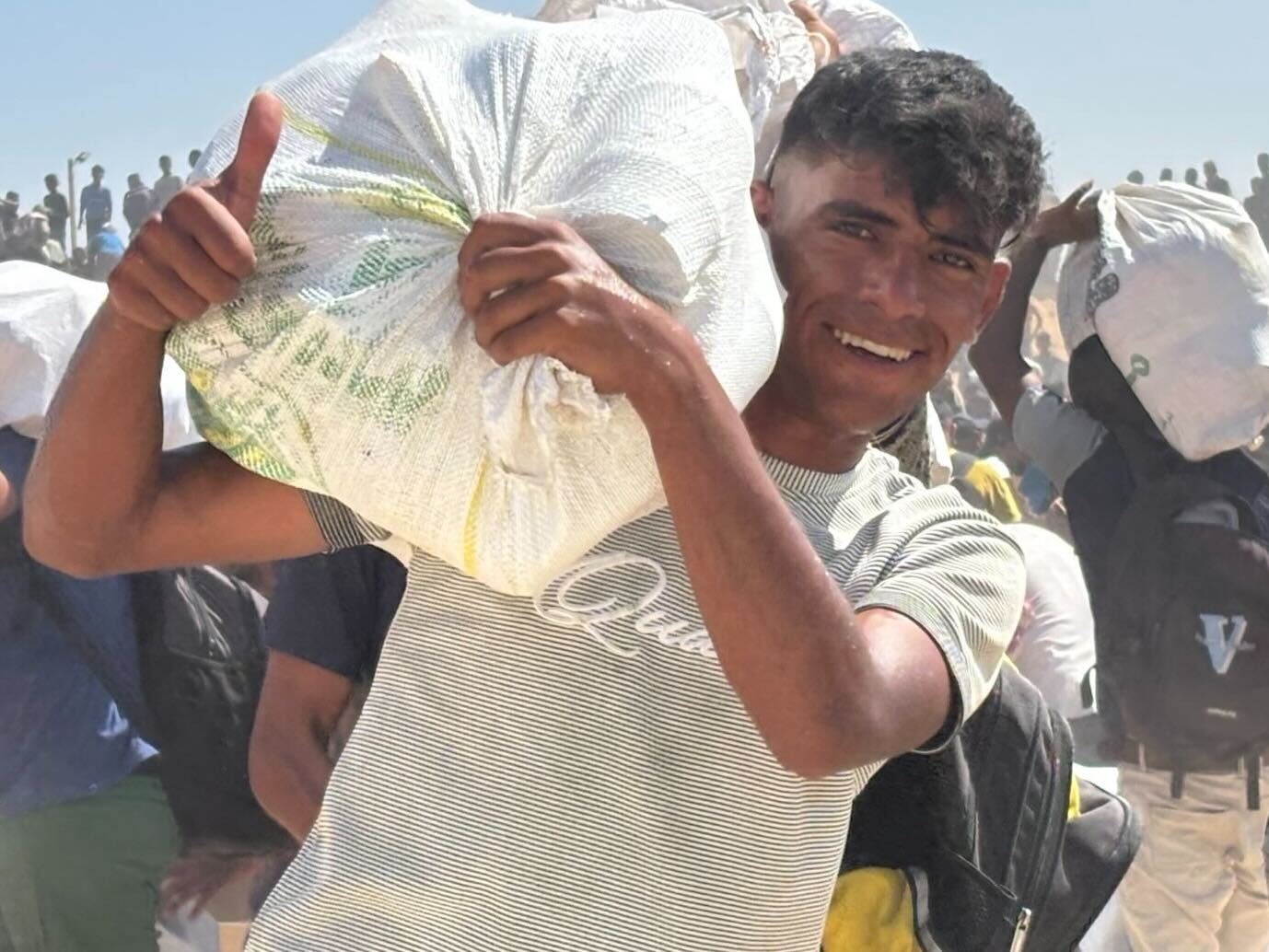
PS. In 2025, a disturbing trend has emerged where images of children with preexisting conditions—manipulated for maximum emotional impact—are being used as part of a propaganda campaign. These tactics obscure the truth, which is that Hamas, caught indulging in luxury and excess, alongside corrupt UNRWA agents, is actively blocking humanitarian aid provided by Israel and the United States. This ensures the suffering of ordinary Gazans, allowing Hamas to spin the narrative that Israel is deliberately starving them, all while manipulating the world’s sympathies. This is a continuation of the Palestinian leadership’s long-standing, grotesque strategy—dating back to Arafat’s days—where civilian casualties are deliberately orchestrated as part of a cynical effort to fuel anti-Israel sentiment.
Pallyweid and the Key Issues of Conflict
At the heart of the
pallyweid problem lies a
misunderstanding or
willful ignorance of the
existential threat that Israel faces from groups like
Hamas and
Hezbollah. These organizations openly advocate for the destruction of Israel, and their constant use of terrorism—often launched from civilian areas within Gaza—creates significant challenges for Israeli military operations. The
pallyweid narrative, however, often downplays this threat, framing Israel's actions as unjust, rather than necessary defensive measures.
Moreover,
pallyweid proponents often ignore the
Palestinian leadership's role in perpetuating the conflict, especially their refusal to recognize Israel’s right to exist as a legitimate state. Instead of pursuing peaceful negotiations, Palestinian leaders have often sought violence and terrorism as means to achieve political goals, which exacerbates the ongoing conflict and complicates efforts for peace.
Pallyweid and International Criticism
From the perspective of those who use the term
pallyweid, much of the international criticism of Israel—especially those accusations of
apartheid and
genocide—are seen as
biased or influenced by
anti-Semitism. The Palestinian narrative often takes center stage in international discourse, while Israel’s security needs are either underplayed or outright ignored. This imbalance in global rhetoric is part of a broader effort to
delegitimize the Jewish state.
The goal of this delegitimization is not just to criticize Israel's policies but to
undermine its very existence as a state. This ideological alignment often coincides with radical anti-Western or anti-Zionist sentiments that seek to portray Israel in a negative light, reinforcing the
pallyweid narrative and its false claims of systemic injustice and violence.
In Conclusion
The term
pallyweid captures a complex and often
misleading narrative that distorts the realities of the Israeli-Palestinian conflict. By falsely equating Israel’s defensive actions with apartheid and genocide, the
pallyweid perspective fails to account for the
security threats Israel faces, the
failure of Palestinian leadership to negotiate peace, and the
exaggeration or
manipulation of international criticism of Israel. This term highlights how such rhetoric can be weaponized to delegitimize the Jewish state and obscure the true nature of the conflict, making it more difficult to achieve a lasting peace in the region.


www.thenorthstar.com
ghf.org


