Your concern and compassion for your fellow citizens is underwhelming. Let me guess -- Trump supporter, right?
cant solve a problem until you recognize its origins,,,
You're looking to place blame not trying to understand the pandemic.
the pandemic is completely understandable,,,
for one you dont put sick people back into an environment filled with the most vulnerable like deblasio did with the nursing homes,,,
the CDC Guidelines were followed, to the T.]\
let me do your homework for you, these are the CDC GUIDELINES FOR NURSING HOMES and New York State's guidelines, word for word.....
Coronavirus Disease 2019 (COVID-19)
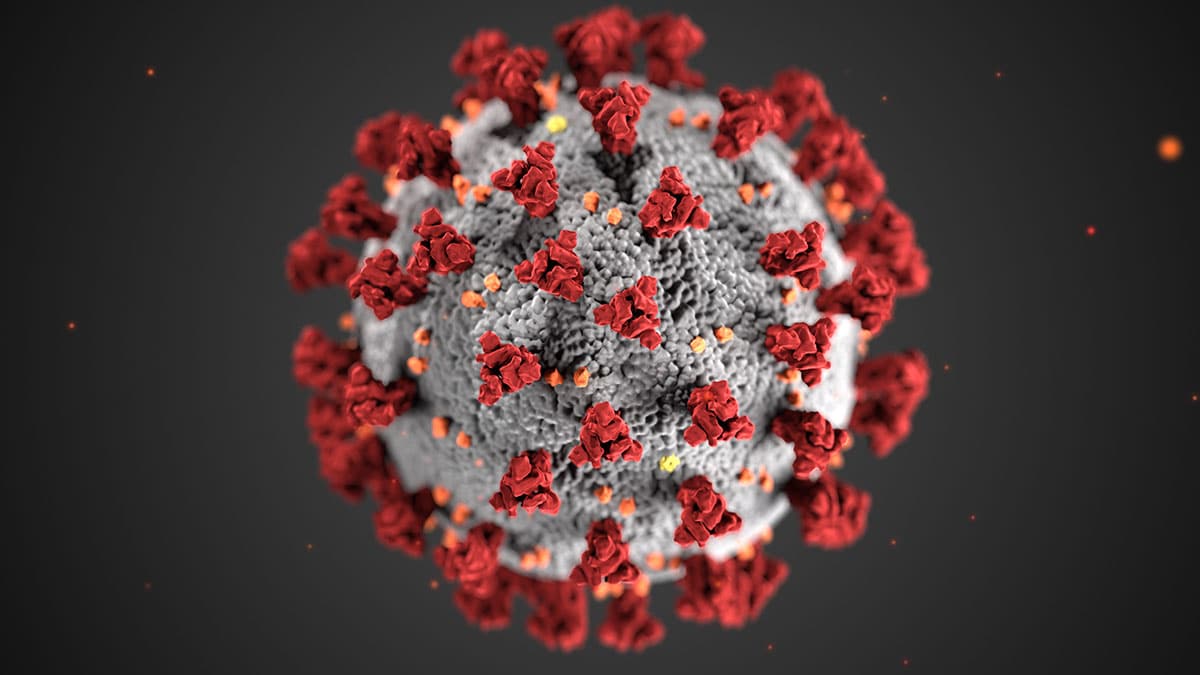
Coronavirus disease 2019 (COVID-19) is a virus (more specifically, a coronavirus) identified as the cause of an outbreak of respiratory illness first detected in Wuhan, China.
www.cdc.gov
establishing a designated COVID-19 care unit for residents with confirmed COVID-19
- Determine the location of the COVID-19 care unit and create a staffing plan before residents or HCP with COVID-19 are identified in the facility. This will allow time for residents to be relocated to create space for the unit and to identify HCP to work on this unit.
- Facilities that have already identified cases of COVID-19 among residents but have not developed a COVID-19 care unit, should work to create one unless the proportion of residents with COVID-19 makes this impossible (e.g., the majority of residents in the facility are already infected).
- Ideally the unit should be physically separated from other rooms or units housing residents without confirmed COVID-19.
- Depending on facility capacity (e.g., staffing, supplies) to care for affected residents, the COVID-19 care unit could be a separate floor, wing, or cluster of rooms.
- Assign dedicated HCP to work only on the COVID-19 care unit. At a minimum this should include the primary nursing assistants (NAs) and nurses assigned to care for these residents. HCP working on the COVID-19 care unit should ideally have a restroom, break room, and work area that are separate from HCP working in other areas of the facility.
- To the extent possible, restrict access of ancillary personnel (e.g., dietary) to the unit.
- Assign environmental services [EVS] staff to work only on the unit.
- If there are not a sufficient number of EVS staff to dedicate to this unit despite efforts to mitigate staffing shortages, restrict their access to the unit. Also, assign HCP dedicated to the COVID-19 care unit (e.g., NAs) to perform cleaning and disinfection of high-touch surfaces and shared equipment when in the room for resident care activities. HCP should bring an Environmental Protection Agency (EPA)-registered disinfectant (e.g., wipe) from List Nexternal icon into the room and wipe down high touch surfaces (e.g., light switch, doorknob, bedside table) before leaving the room.
- Ensure that high-touch surfaces in staff break rooms and work areas are frequently cleaned and disinfected (e.g., each shift).
- Ensure HCP practice source control measures and social distancing in the break room and other common areas (i.e., HCP wear a facemask and sit more than 6 feet apart while on break).
- Place signage at the entrance to the COVID-19 care unit that instructs HCP they must wear eye protection and an N95 or higher-level respirator (or facemask if a respirator is not available) at all times while on the unit. Gowns and gloves should be added when entering resident rooms.
- Ensure that HCP have been trained on infection prevention measures, including the use of and steps to properly put on and remove recommended personal protective equipment (PPE).
- If PPE shortages exist, implement strategies to optimize PPE supplyon the unit, such as:
- Bundle care activities to minimize the number of HCP entries into a room.
- Consider extended use of respirators (or facemasks if respirators are not available), eye protection, and gowns. Limited reuse of PPE may also be considered.
- Consider prioritizing gown use for high-contact resident care activities and activities where splash or spray exposures are anticipated.
- Assign dedicated resident care equipment (e.g., vitals machine) to the cohort unit. Cleaning and disinfection of shared equipment should be performed between residents and the equipment should not leave the cohort unit.
Considerations for new admissions or readmissions to the facility
- Newly admitted and readmitted residents with confirmed COVID-19 who have not met criteria for discontinuation of Transmission-Based Precautions should go to the designated COVID-19 care unit.
- Newly admitted and readmitted residents with COVID-19 who have met criteria for discontinuation of Transmission-Based Precautions can go to a regular unit.
- If Transmission-Based Precautions have been discontinued, but the resident with COVID-19 remains symptomatic (i.e., persistent symptoms or chronic symptoms above baseline), they can be housed on a regular unit but should remain in a private room until symptoms resolve or return to baseline. These individuals should remain in their rooms to the extent possible during this time period. If they must leave their rooms, facilities should reinforce adherence to universal source control policies and social distancing [e.g., perform frequent hand hygiene, have the resident wear a cloth face covering or facemask (if tolerated) and remain at least 6 feet away from others when outside of their room].
- Create a plan for managing new admissions and readmissions whose COVID-19 status is unknown. Options include placement in a single room or in a separate observation area so the resident can be monitored for evidence of COVID-19.
- All recommended COVID-19 PPE should be worn during care of residents under observation, which includes use of an N95 or higher-level respirator (or facemask if a respirator is not available), eye protection (i.e., goggles or a disposable face shield that covers the front and sides of the face), gloves, and gown.
- Testing residents upon admission could identify those who are infected but otherwise without symptoms and might help direct placement of asymptomatic SARS-CoV-2-infected residents into the COVID-19 care unit. However, a single negative test upon admission does not mean that the resident was not exposed or will not become infected in the future. Newly admitted or readmitted residents should still be monitored for evidence of COVID-19 for 14 days after admission and cared for using all recommended COVID-19 PPE. Testing should not be required prior to transfer of a resident from an acute-care facility to a nursing home.
- New residents could be transferred out of the observation area or from a single to a multi-resident room if they remain afebrile and without symptoms for 14 days after their last exposure (e.g., date of admission). Testing at the end of this period could be considered to increase certainty.