Northern Sea Route - Wikipedia, the free encyclopedia
In 2009, the Bremen-based Beluga Group claimed they were the first Western company to attempt to cross the Northern Sea Route for shipping without assistance from icebreakers, cutting 4000 nautical miles off the journey between Ulsan, Korea and Rotterdam.[12][14] The voyage was widely covered and sometimes incorrectly said to be the first time when non-Russian ships make the transit.[15][16][17][18] In 1997, a Finnish oil tanker, Uikku, sailed the length of the Northern Sea Route from Murmansk to the Bering Strait, becoming the first Western ship to complete the voyage.[13]
However, the new (2008) ice-strengthened heavy lift vessels Beluga Fraternity and Beluga Foresight commenced an East-to-West passage of the Northern Sea Route in August 2009 [13][19] as part of a small convoy escorted by the Russian nuclear icebreaker NS 50 Let Pobedy, westward through the Bering, Sannikov, and Vilkitskiy Straits. The two vessels embarked Russian ice pilots for the voyage to the western Siberian port of Novyy, in the Yamburg region in the delta of the Ob River. The ships arrived at Novyy on 7 September, discharged their cargo to barges and departed on 12 September, bound for the Kara Gates and Rotterdam. They were the first non-Russian commercial vessels to complete this journey, but not without Russian assistance.[20] The captain of the Beluga Foresight, Valeriy Durov, described the achievement as "...great news for our industry."[20] The president of Beluga Shipping claimed the voyage saved each vessel about 300,000 euros, compared to the normal Korea-to-Rotterdam route by way of the Suez Canal. The company did not disclose how much they paid for the escort service and the Russian pilots. An 18 September 2009 press release stated that the company is already planning for six vessels to make Arctic deliveries in 2010.[21] It is not clear that this plan was followed up on.
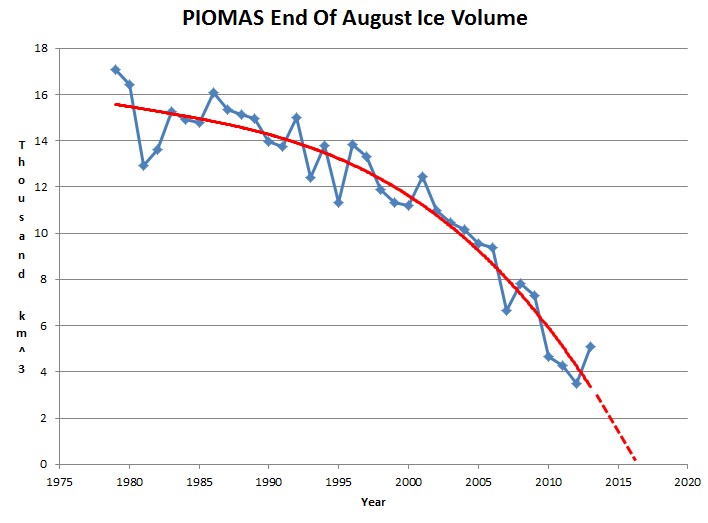
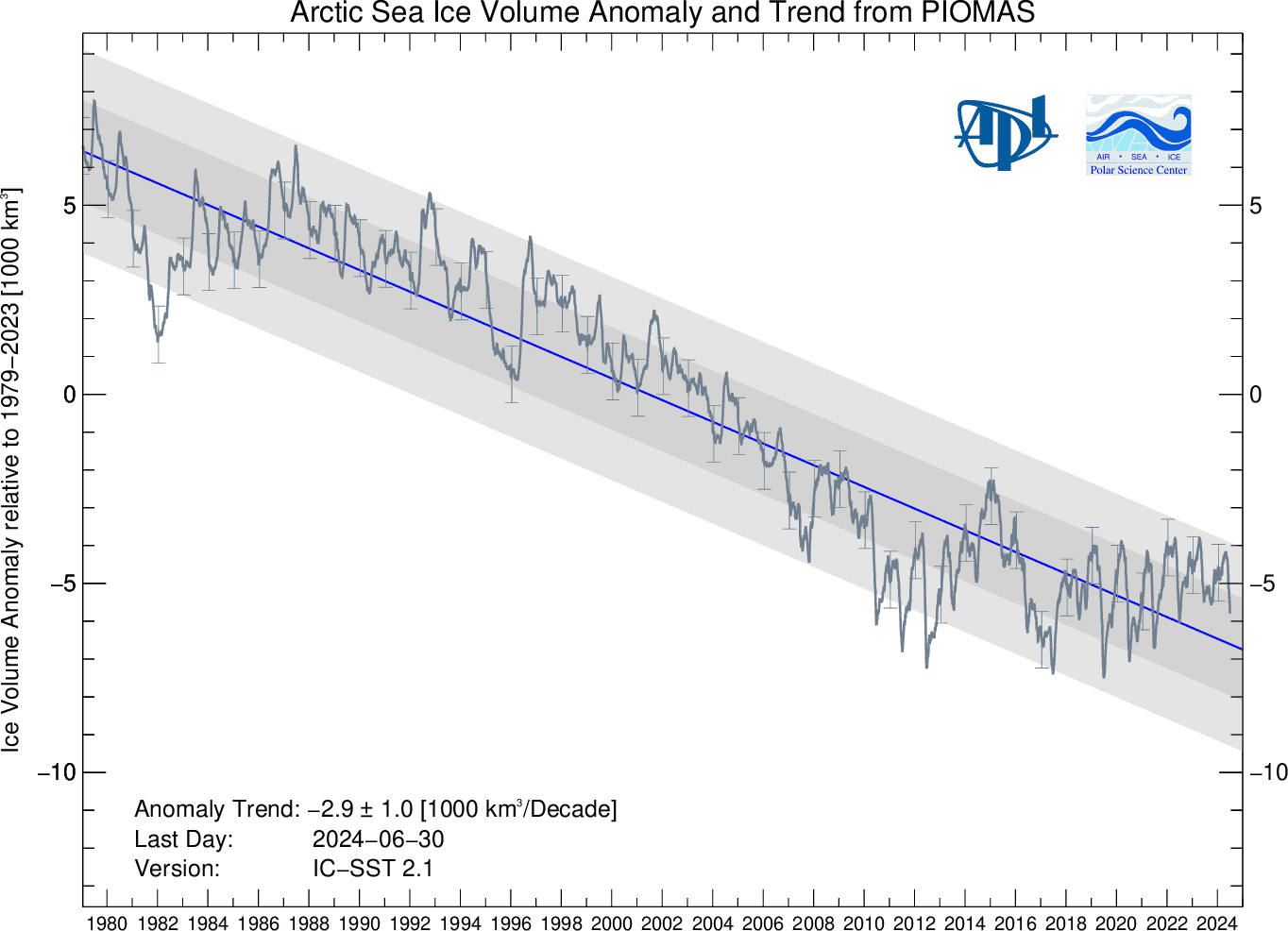
In 2009, the first two international commercial cargo vessels traveled north of Russia between Europe and Asia.[22] In 2011, 18 ships have made the now mostly ice-free transit.[23] In 2011, 34 ships made the transit up from a total of 6 ships in 2010.[24] In 2012, 46 commercial ships made the transit. Petroleum products constituted the largest cargo group.[25] In 2013 71 commercial ships made the transit.[26]
July 28, 2009 the sailing yacht RX II, 36 feet, with expedition leader Trond Aasvoll and crew Hans Fredrik Haukland and Finn Andreassen left Vardø in Norway on a quest to circumnavigate the North Pole. The northern sea route proved ice free and the three Norwegians sailed into the Bering Strait September 24. But Russian bureaucracy managed to do what the arctic waters didn't: to stop their effort to sail around in one season. The boat over-wintered in Nome, and finished the trip through the Northwest passage the next summer.[27]
In September 2010, two yachts completed circumnavigation of the Arctic: Børge Ousland's team aboard The Northern Passage, and Sergei Murzayev's team in the Peter I. These were the first recorded instances of the circumnavigation of the Arctic by sailing yachts in one season.[28]
The largest ship as of 2011 is the 117,000 tonne SCF Baltica loaded with condensate.[29]
Well, while the passage has been made before, nothing like the present number of ships have don so in one year. A number that is increasing rapidly every year.