dude, stop flopping around. do you are do you not agree that the average temperature for 1997 was 62.45 F? I'll start there.
It is you flopping around because you got caught lying about the 1997 global temp "not using any baseline for anything."
what again does that mean? what is the definition of baseline? there is no baseline required to calculate a 12 month average temperature. why do you think there is? see 1997 62.45F average temperature. 12 months of temps divided by 12. and we have an average. wow would you take a fken look at that?
As has been already explained to you, and you said you understand the link provided 3 times that explains how global temps are measured. Were you lying then or are you lying now?
Explainer: How do scientists measure global temperature? | Carbon Brief
The basics
To get a complete picture of Earth’s temperature, scientists combine measurements from the air above land and the ocean surface collected by ships, buoys and sometimes satellites, too.
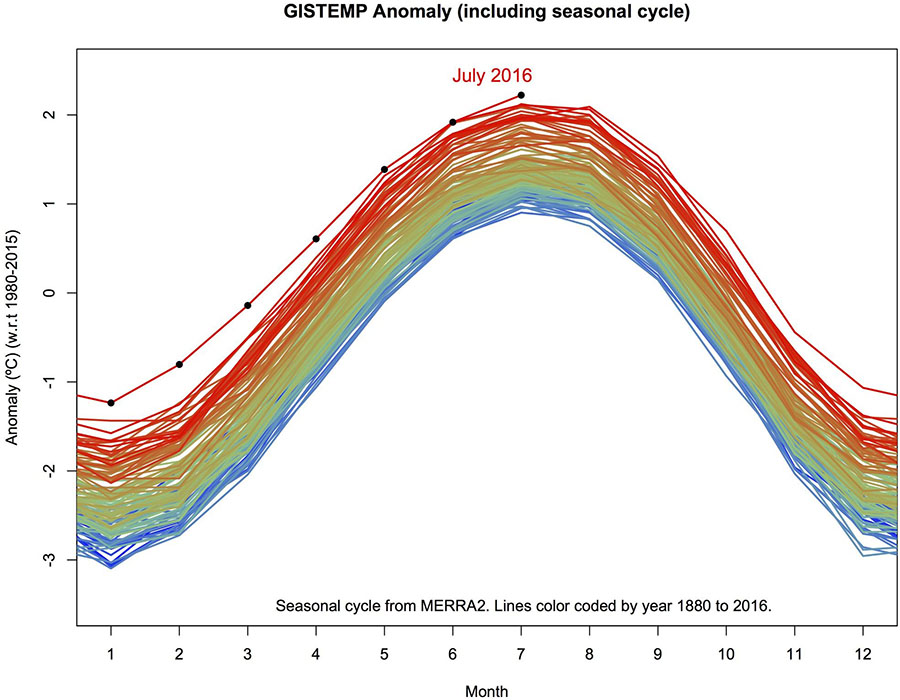
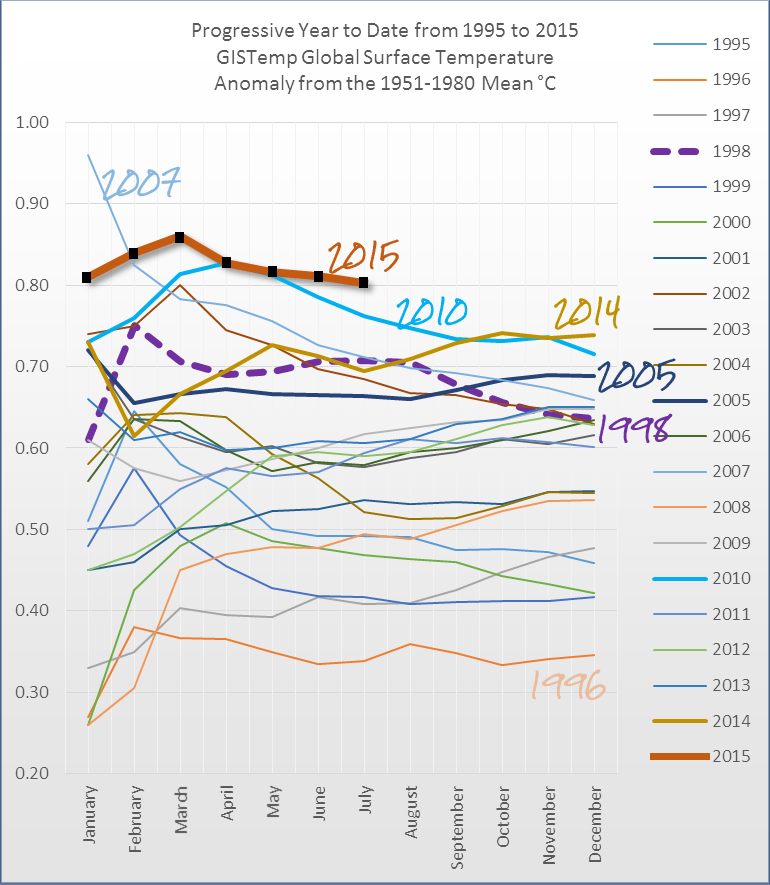
The temperature at each land and ocean station is compared daily to what is ‘normal’ for that location and time, typically the long-term average over a 30-year period. The differences are called an ‘anomalies’ and they help scientists evaluate how temperature is changing over time.
A ‘positive’ anomaly means the temperature is warmer than the long-term average, a ‘negative’ anomaly means it’s cooler.
Daily anomalies are averaged together over a whole month. These are, in turn, used to work out temperature anomalies from season-to-season and year-to-year.
After working out the annual temperature anomalies for each land or ocean station, the next job for scientists is to divide the earth up into grid boxes.
They work out the average temperature for each box by combining data from all the available stations. The smaller the grid boxes, the better the average temperature of the box will reflect the actual temperature at any given point, leading to a more accurate estimate global temperature when you add them all together.
By combining the grid boxes, scientists work out average temperatures for the northern and southern hemispheres. How much each box contributes to the global temperature is adjusted to account for the fact that the degree of longitude is bigger at the equator than at the poles. Together, the hemispheric values provide an estimate of global average temperature.